
Homo Sapiens
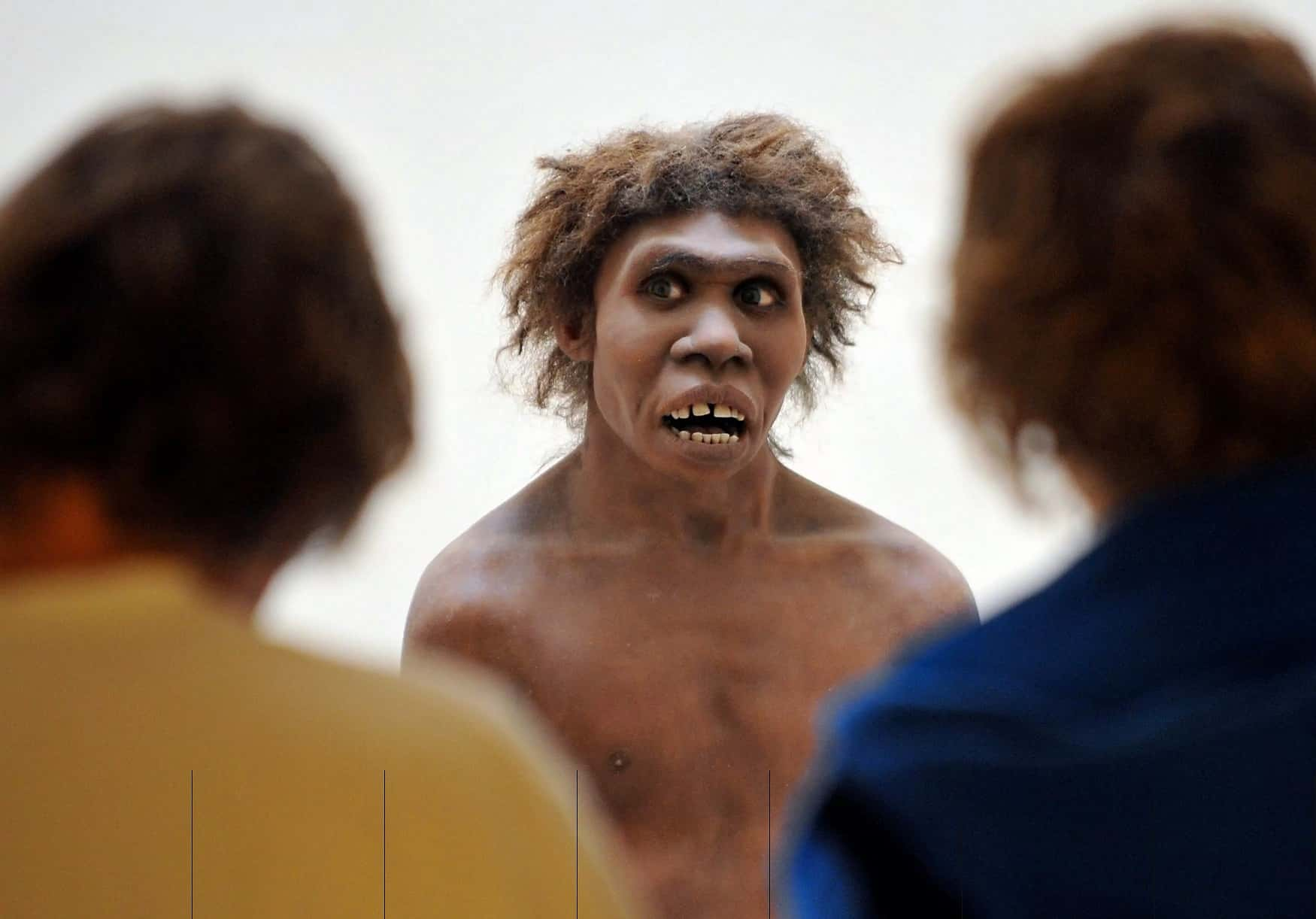
“Homo sapiens, which was believed to have existed several hundred years ago, underwent an evolution and many people believe that its descendants have become all of us that are alive today.” It is a basic fact we know about the human evolution process. But according to some scientists who studied them, they have found some proof that Homo sapiens might have originated from something more diverse and complicated than we could imagine. It means that the history of people’s evolution might be way more complex than what we have originally known.
Homo Sapiens
Originated In Africa
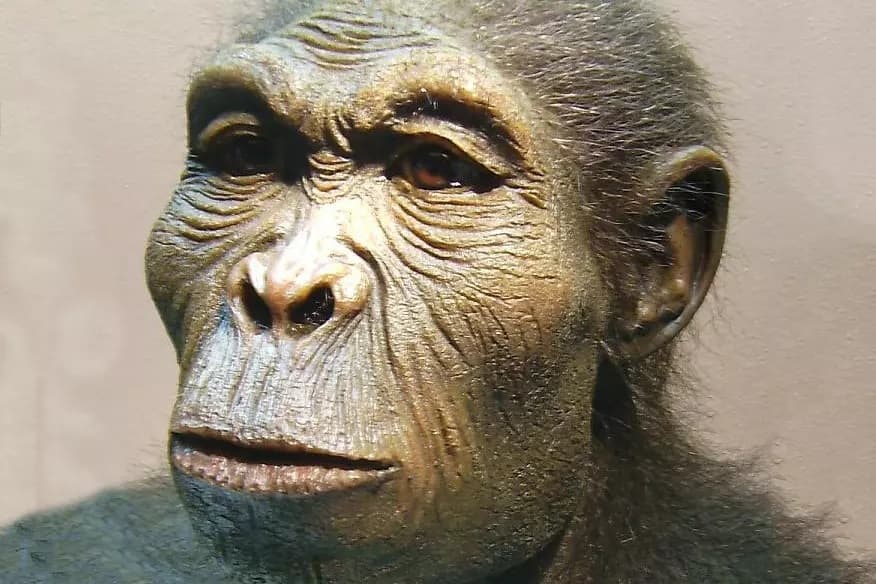
As we have been taught, human beings originated from Africa about 300 thousand years before our present day. It was learned that Homo sapiens had undergone evolution during a time of a major turning point of an uproar. It was also believed that Homo sapiens were not the only human beings that were alive during that time. Like the others, it was recorded in history that there were also human species such as hunter-gatherers, as they called it, who tried living their lives conditioning themselves to adapt to arduous surroundings.
Originated In Africa
Eye-Catching Difference
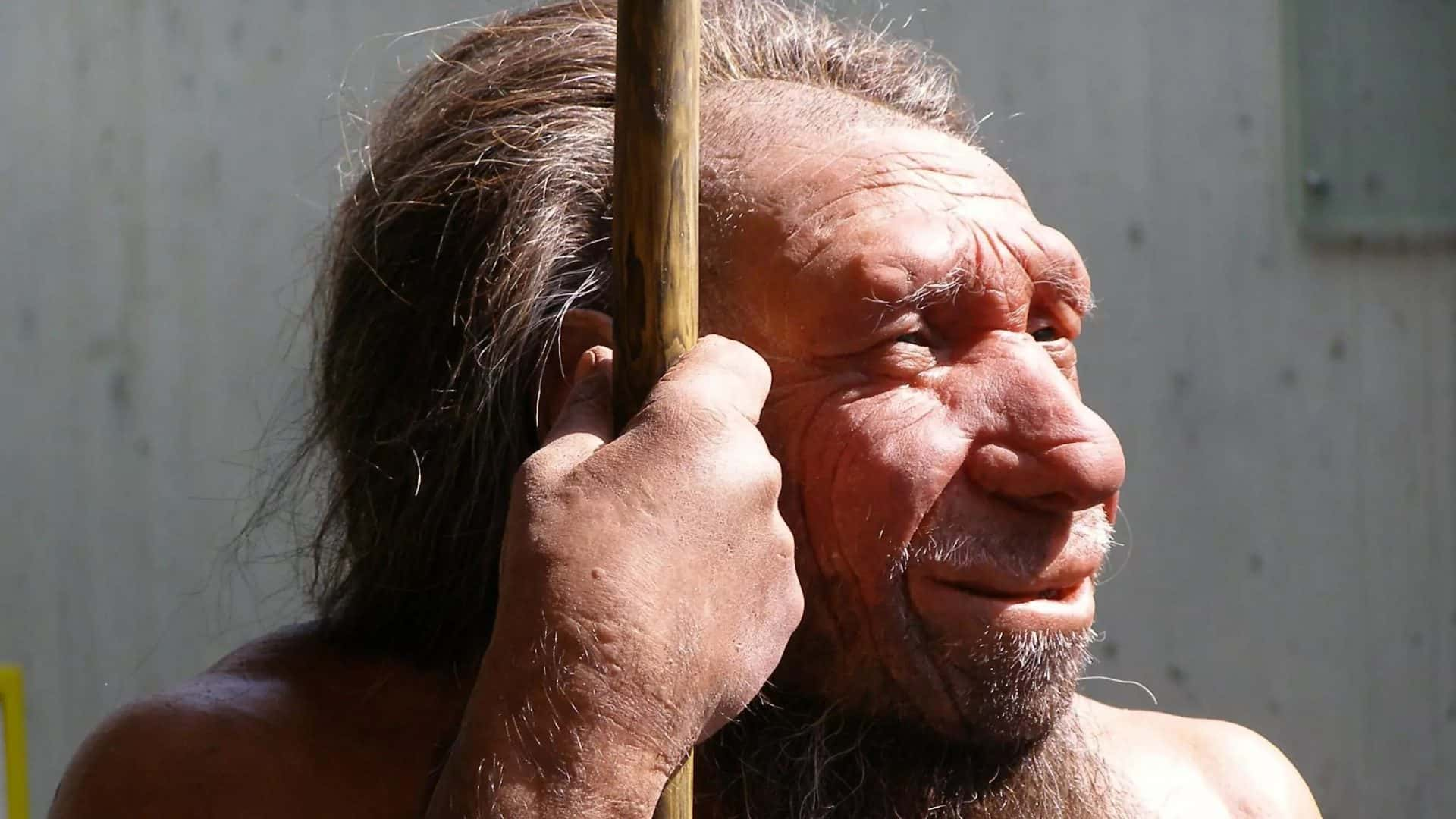
If we would look closely, one of the eye-catching dissimilarities that could be observed in modern humans which is also called Homo sapiens is that they have a relatively larger built. It was also noticeable that they had a distinct size of brains, quite a larger one. To enclose this size of the brain, the shape of their skull led to different changes to look like how our skull shape looks today. Their brows and their jaws also looked very particular – their brows were protuberant, and their jaws were shorter.
Eye Catching Difference
They Are Now Extinct
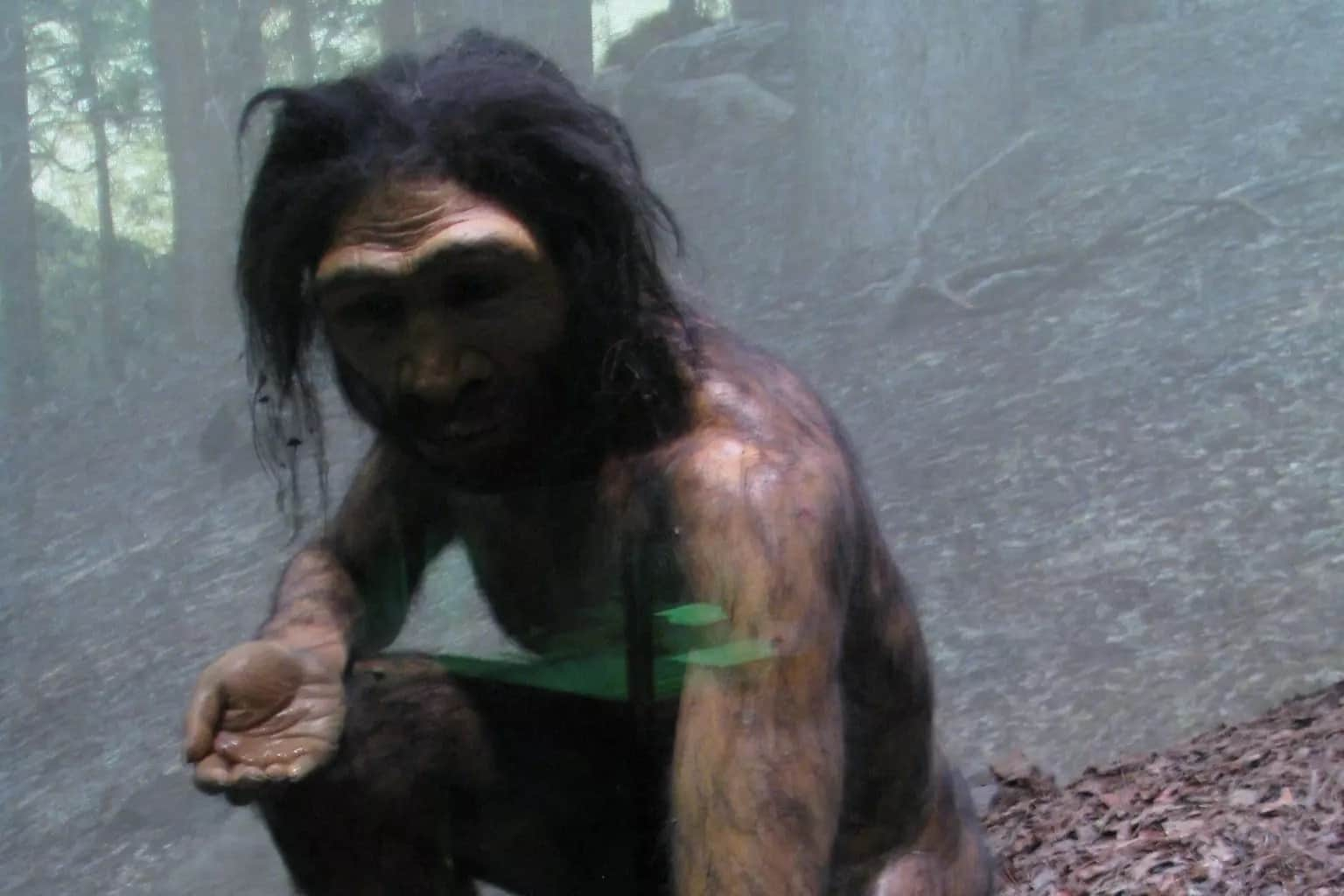
At present, the human species that once belonged to the other fractions of the “Homo” genus are now non-existent. The only proof that they ever existed was their fossils that we can now see. There were many found fossils of different Hominins. Hominins are the name for the human species way back that looked similar to us. One of the other human species that we know we lived at the same time back then at the very least was the Homo neanderthalensis, who were much known as the Neanderthals species.
They Are Now Extinct
Humans Are From Apes
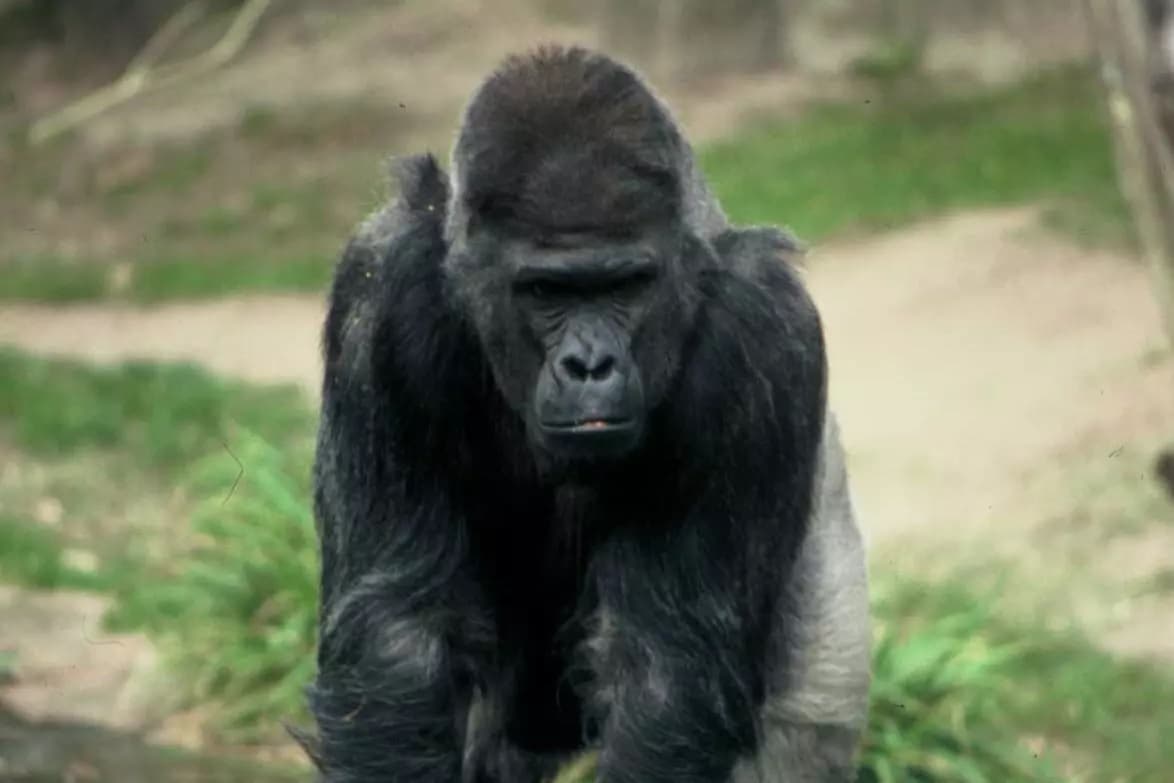
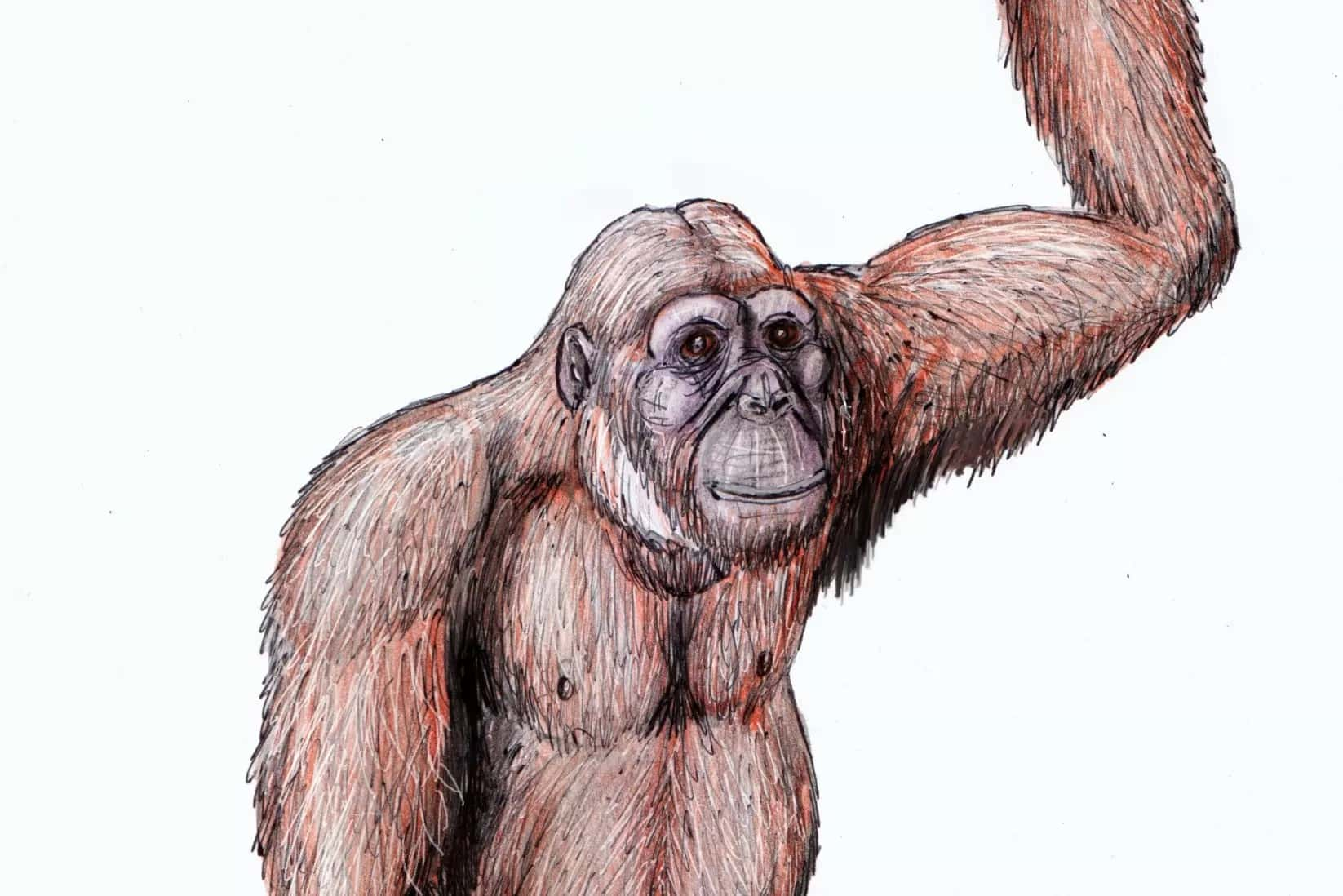
The human species lived together, and alongside with the other primates, history recorded that fact. In Africa, you could see gorillas today, and if you attempted to go back in the old times via time machine, you would be able to see and observe that our ancestors lived in the same surroundings as ape-like animals did. One of them is Dryopithecus. Claiming that humans descended from apes doesn’t make any sense. Yes, humans and apes shared common ancestors, but we inevitably did not descend from the apes. You think so?
Humans Are From Apes
Apes And Humans Have The Same Ancestors
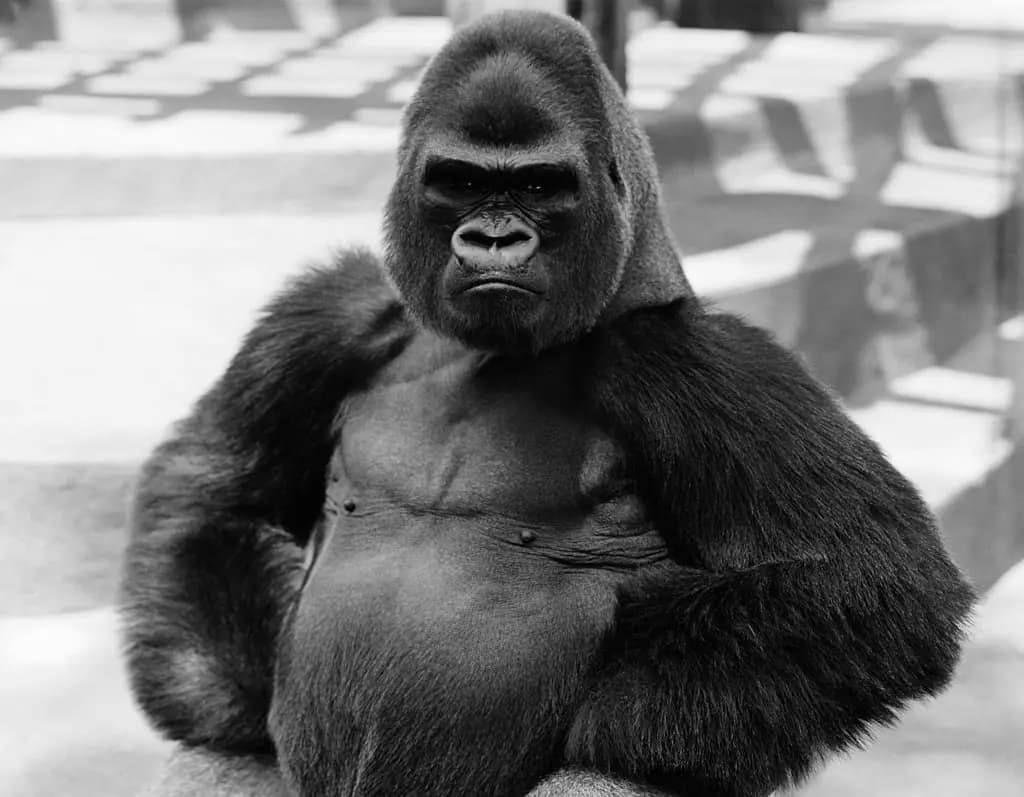
Now, in an assumed theory, if you would try to track the human being’s ancestry, you would find that humans and the existing apes had both ancestors. When the scientists attempted to trace the lineage back far further, they could not identify which specific animal it was, and even the latest relationships between the ancestors of humans were not transparent. Scientific experts might never coincide with each other’s studies about our exact relation to our origins. They won’t even agree about the identification of which kind of primates they were.
Apes And Humans Have The Same Ancestors
Human Evolution
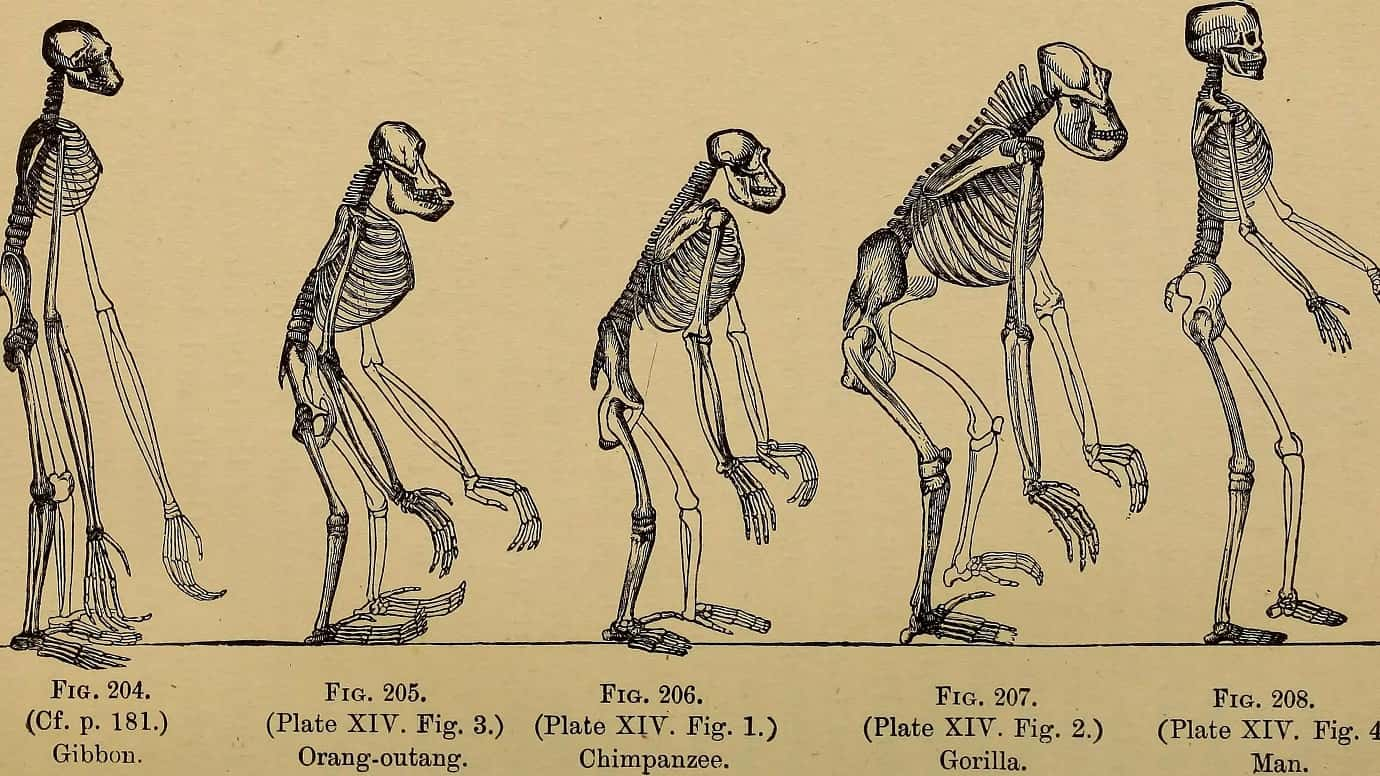
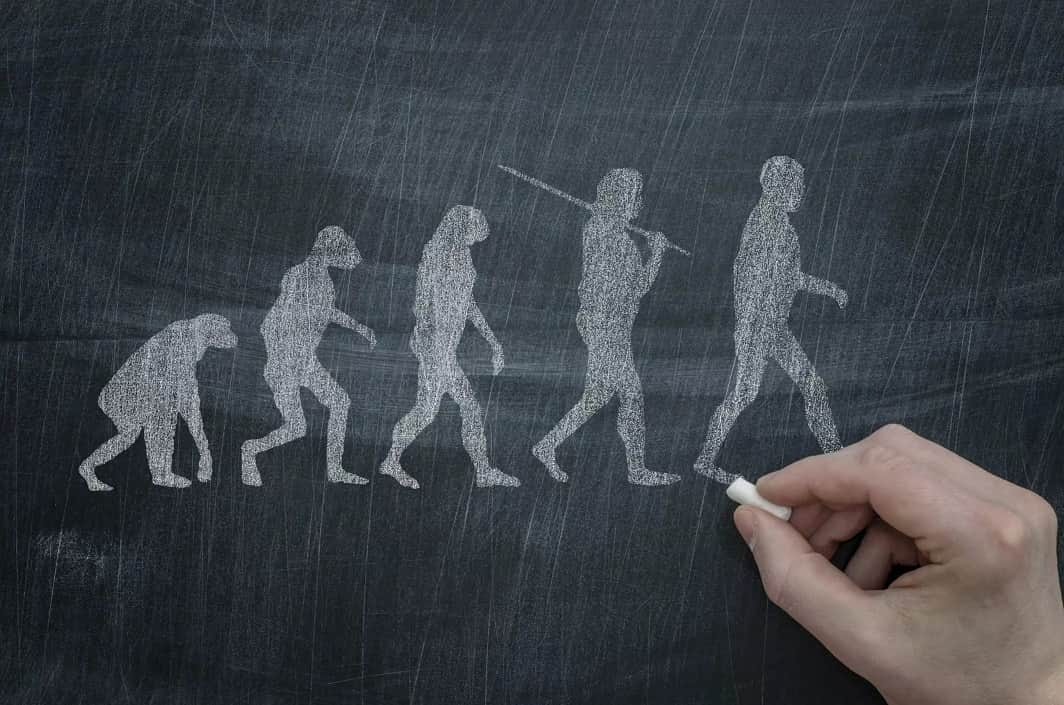
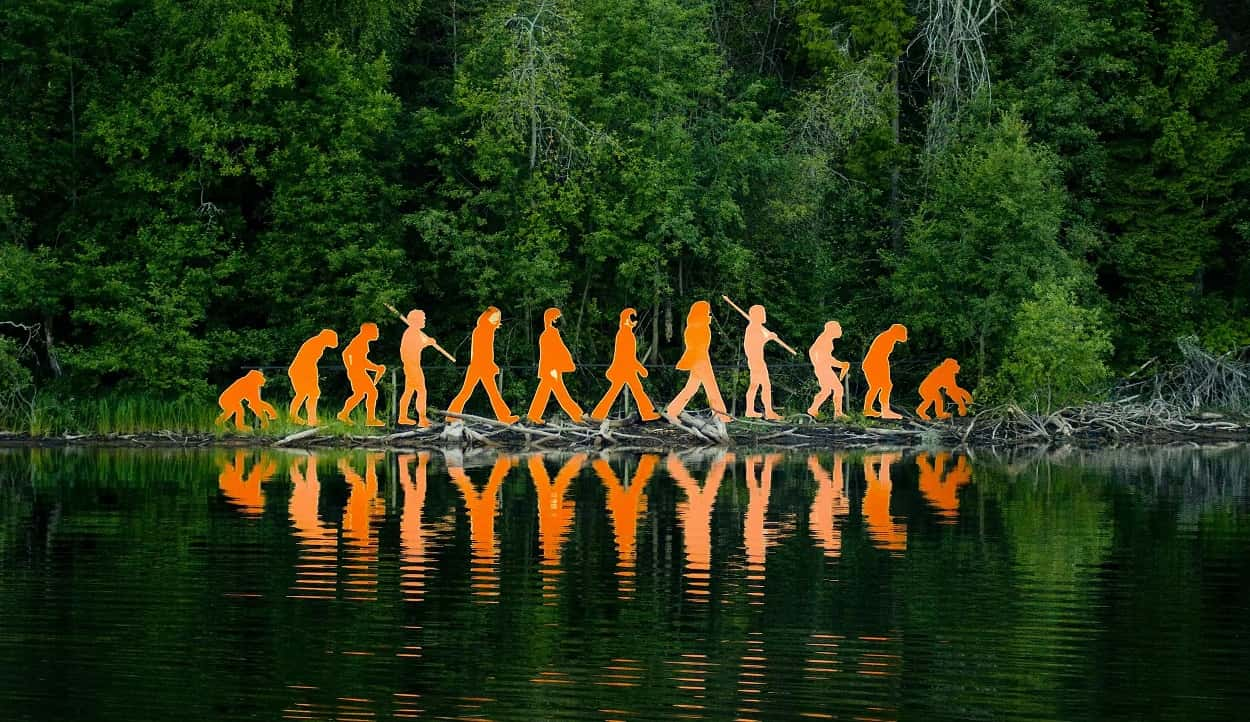
That may be the case. However, some scientific experts agreed about some of the broader details of the human evolution levels. One of these that seemed clear is that at some point, in more than 5 million but less than 7 million years before the present, human being’s ancestors emerged. Ape-like creatures also began to walk upright with their two feet rather than by their hands and feet, all fours. As seen in the picture, their arms grew shorter, and their legs grew longer to accommodate their way of walking.
Human Evolution
Australopithecus Afarensis
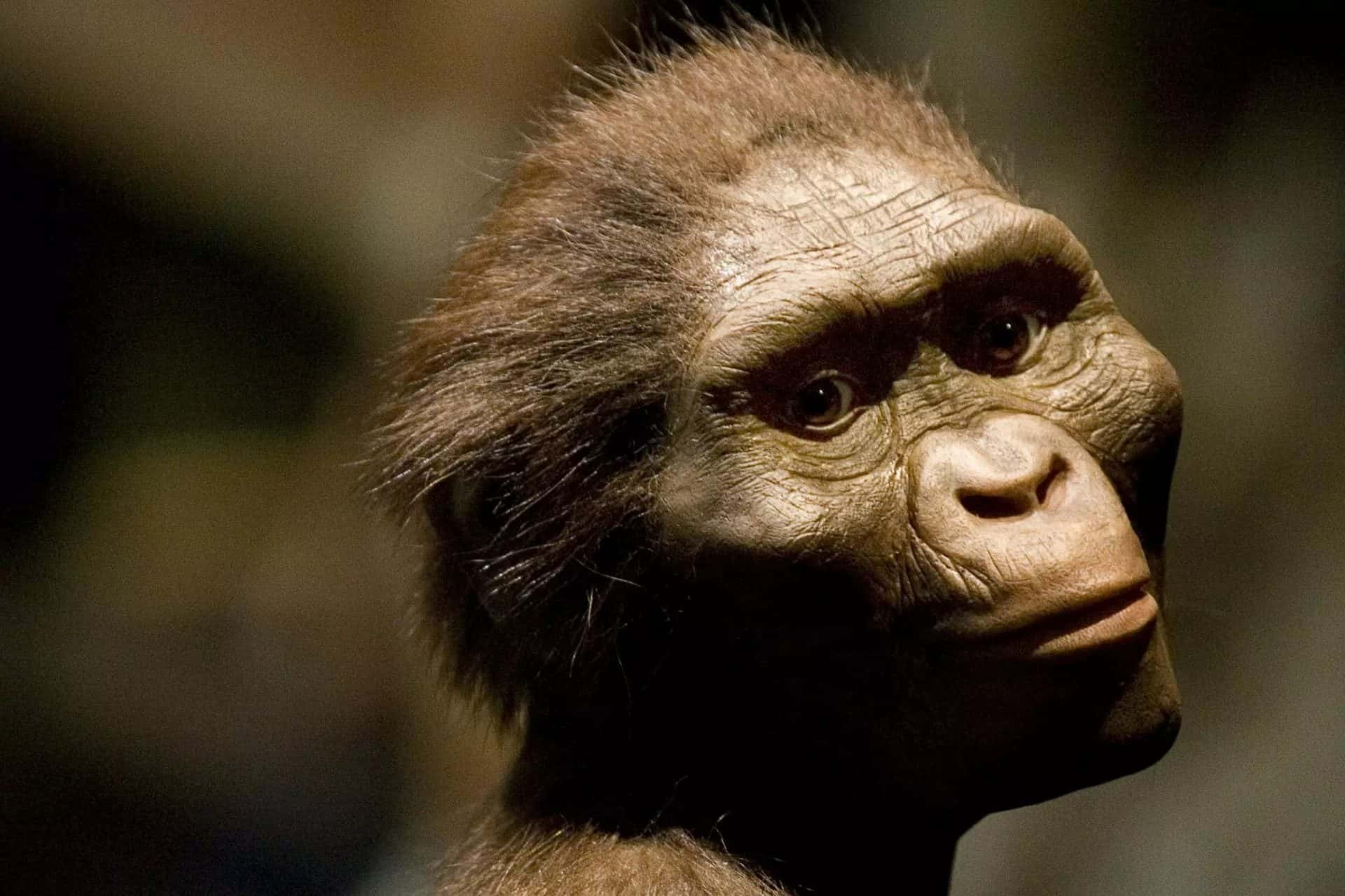
These human ancestors were assumed to have evolved from Australopithecus afarensis, famous for discovering the old fossil named “Lucy.” Lucy was found in Ethiopia and is already 3.2 million years old. This fossil Lucy was older than any Homo designate ever discovered. Homo designate first showed up nearby in the form of a jawbone, calculated to be about 2.8 million years old. The fossils that they found only appeared anywhere near the standard 2-million-year mark. It was during this time when several species of Homo ancestor also existed.
Australopithecus Afarensis
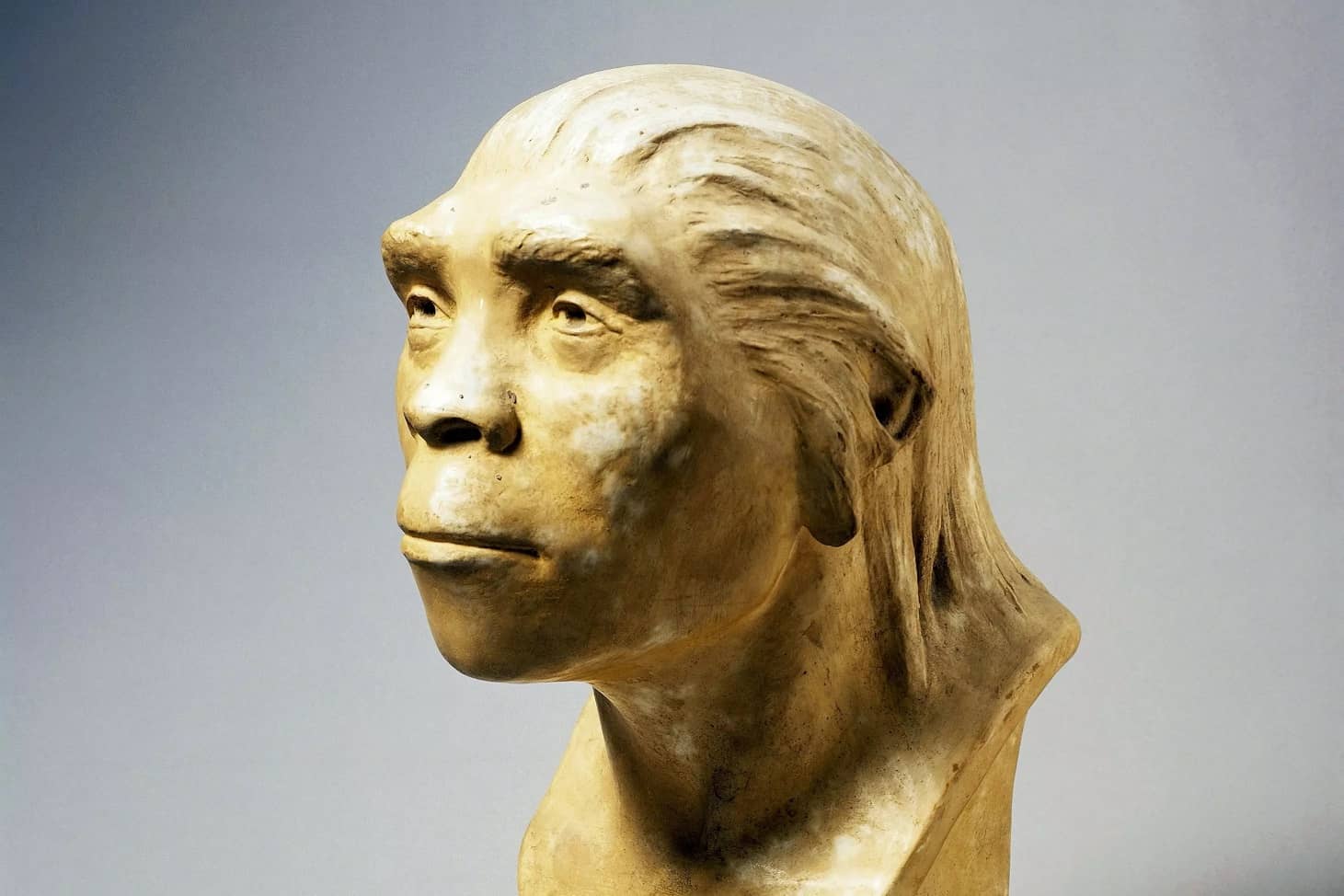
Spreading Out Of Hominins
Part of the study was that these first humans were strategic enough to make their tools during their time at about 2.5 million years ago. This tool advancement might have helped them survive their time. They might have learned to create tools for hunting, cooking, and even for making their homes. They had complex environments back then, which made them think of survival ways. The change in climate by about 2 million years ago might as well affected them greatly, especially the spreading out of hominins all over Africa.
Spreading Out Of Hominins
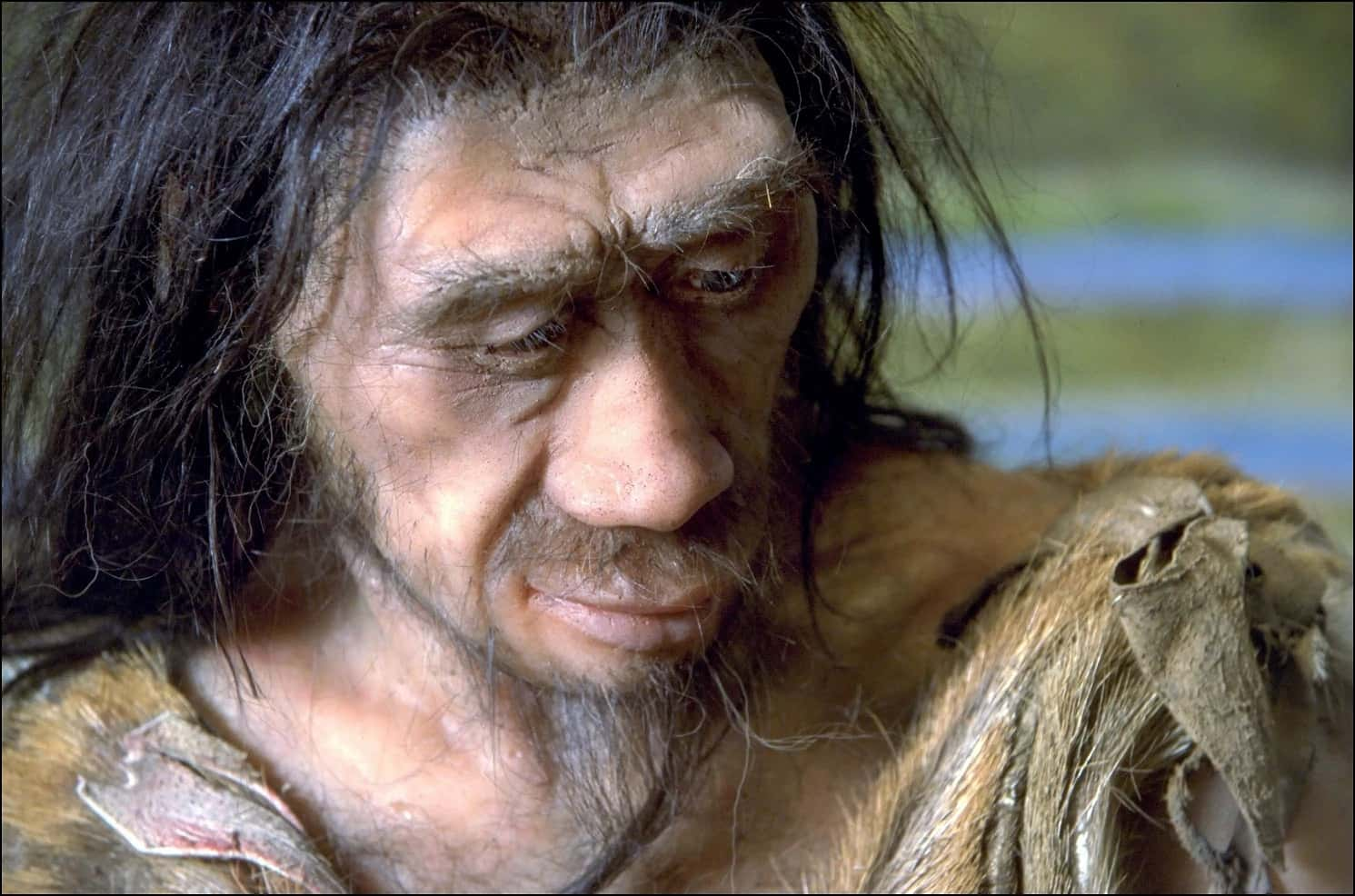
Homo Erectus
Homo erectus was discovered to have led their way out of the constraints of Africa. Some of the fossils were later located to be in East Africa. Those found were studied and calculated to be two thousand years old. After a couple of hundred thousand years, it could also be found in what is now known as the far easter European country of Georgia. It later spread and found its way into Asia. Some species flourished living in Java, an island in Indonesia, evidently, for more than a million years.
Homo Erectus
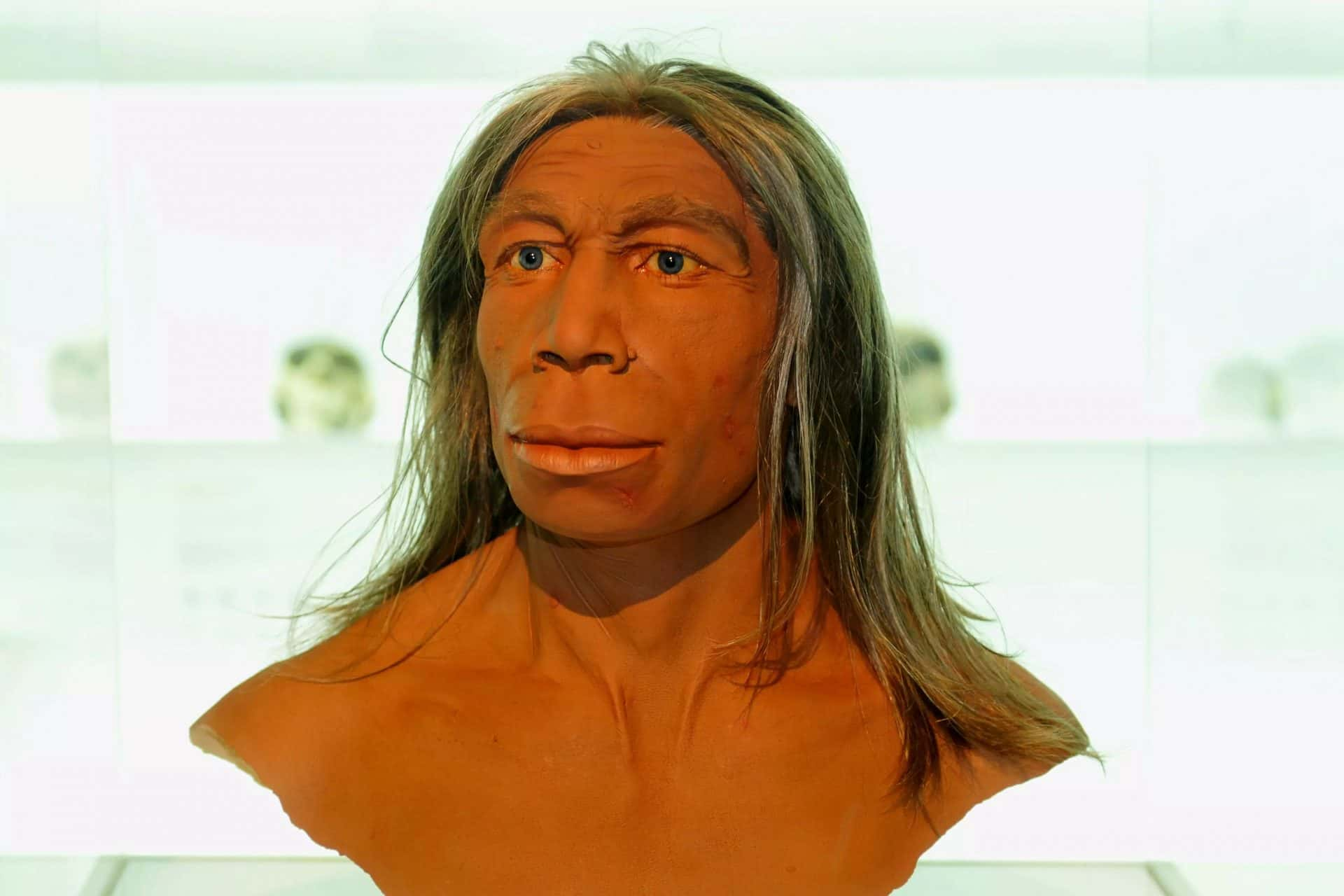
Homo Heidelbergensis
During the time, the spreading out of Homo erectus had been wired with a string of some descendant species. One of the species was Homo heidelbergensis. It followed the Homo erectus out of Africa. It mostly went west and produced what we call now the Neanderthals. Also, there was a species named Homo heidelbergensis, who remained in Africa and eventually led to modern humans. For those in Asia, it was called the Denisovans, which was another similar species. The discovery was due to few remains and DNA shreds of evidence.
Homo Heidelbergensis
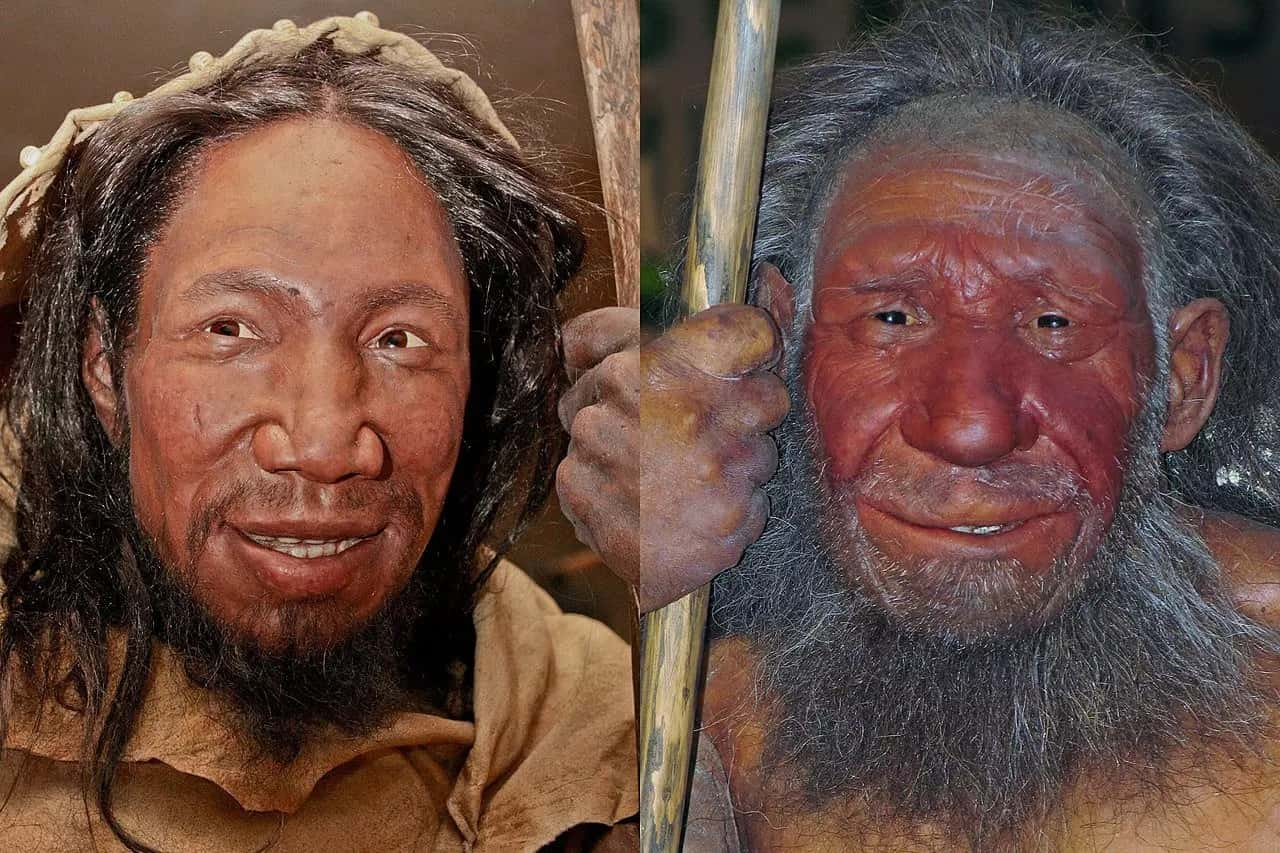
Modern Human
About 130,000 years ago, the world was assumed to have several species of Hominins living and wandering. But later on, that changed when the Homo sapiens, known as modern humans, eventually left Africa. Everywhere it went, the Homo sapiens then pushed out the other hominins and followed them where they went. This whole process surely took time, and if we would observe now, we will see that the process involved some blending of several species producing additional types of species. It was evident in how the species looked.
Modern Human
Saturated Most Parts Of The World
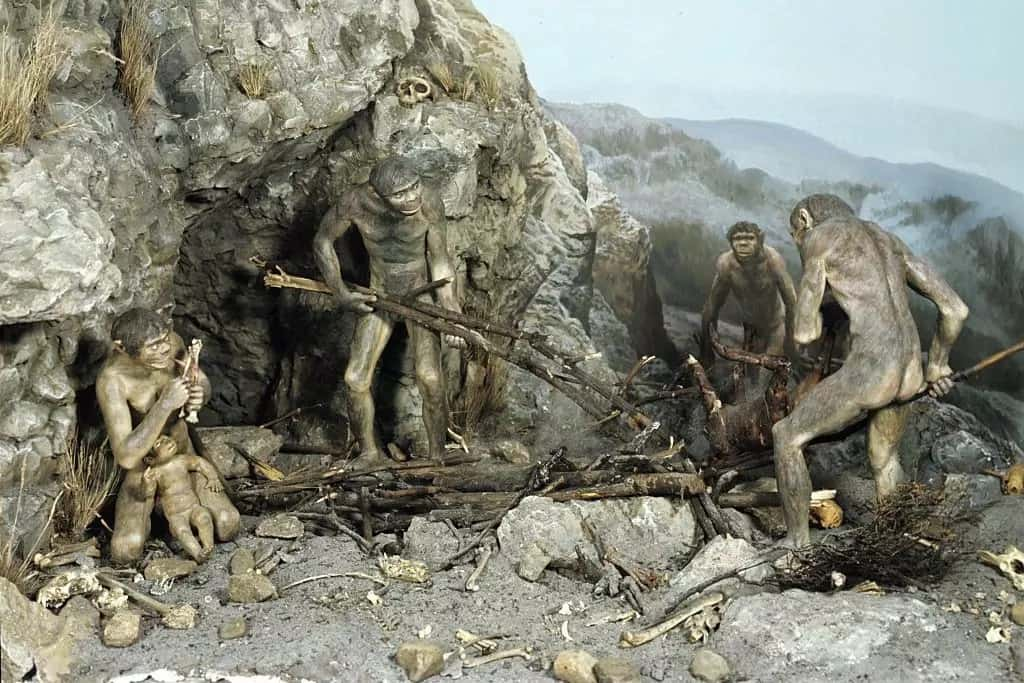
The first batch of humans that settled might not have been stuck, but they got to the Middle East by 100,000 years ago and to China 20,000 years later – quite long. Later on, scientists have found out that in our genes, there is a trace that we all descended from the second batch of humans that left Africa about 60,000 years ago. Although these migrants wouldn’t reach the Americas until about 16,000 years before, they continuously and quickly spread to saturate most parts of the world.
Saturated Most Parts Of The World
Their DNA Was Tested
By the time these migrants reached the part of Europe, they might have encountered the Neanderthals. Neanderthals lived around Europe and Asia and went extinct by about 40,000 years ago – They probably went extinct due to some competition, survival, and other factors and considerations. Although a remaining portion of them in Spain might have lasted a bit longer, contact between the species wasn’t completely opponent-like. Some scientists who studied their genes confirmed that there must be a romance between them evident in their DNA when combined with our DNA.
Their DNA Was Tested
Neanderthal Fossil
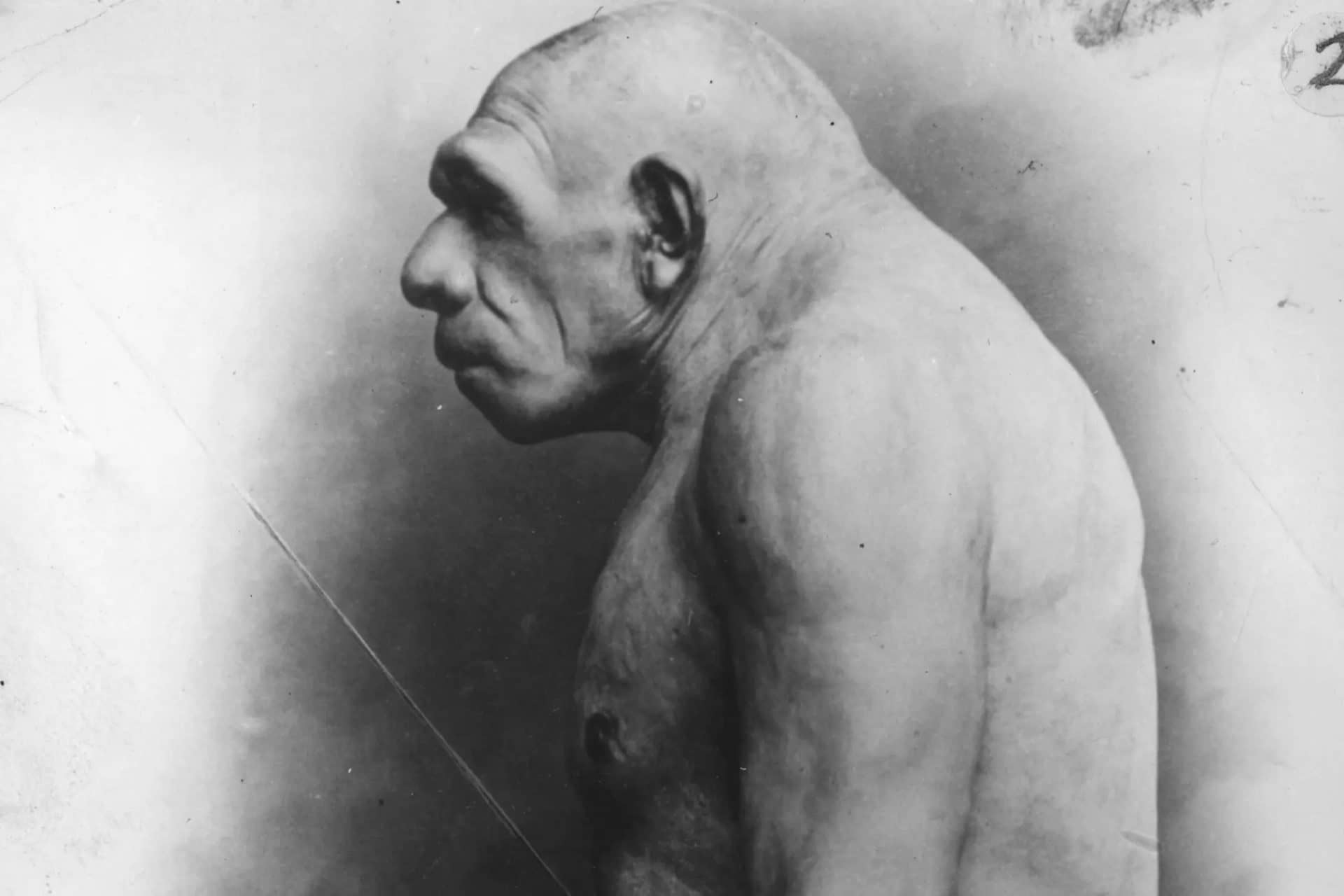
Last 2010, scientists and researchers tried to figure out the order of DNA nucleotides or bases of a Neanderthal fossil, which they found from Croatia. Upon finishing the sequencing, it was found out and had become clear that the Neanderthal indeed tried mating with modern humans. Researchers believed that the first contact might have taken place about 60,000 years ago when they were still in the Middle East. Today, it is believed that all humans, except for the Africans, were up to a certain percentage of the Neanderthal DNA.
Neanderthal Fossil
The Denisovans
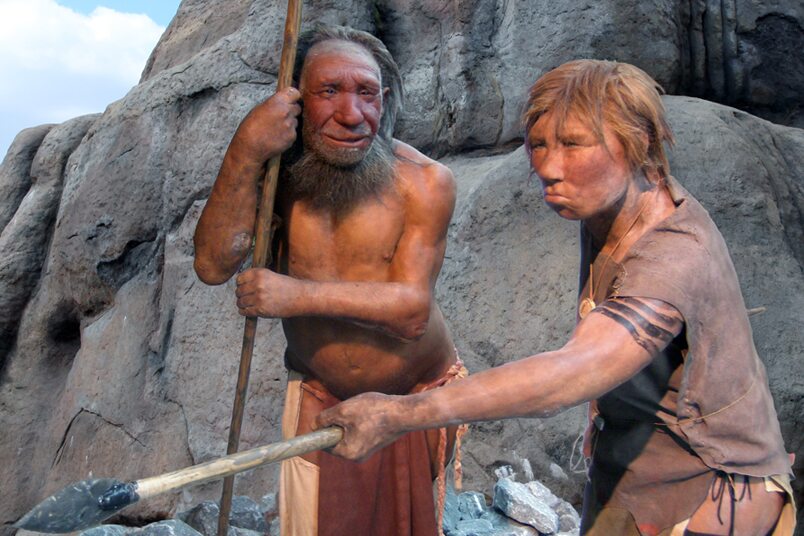
The same happened in Asia. It is believed that human species also mated with the Denisovans – a similar group of hominin species that stayed in Asia. We couldn’t say much about them because there were only a few studies about Denisovans. Historical discoveries about them were not that much. Even the DNA that lay in them was only a few. That DNA is reflected by only up to 4 percent of the genes in some modern first Australian peoples and the other related Melanesian peoples – the inhabitants of the Melanesian area.
The Denisovans
Homo Floresiensis
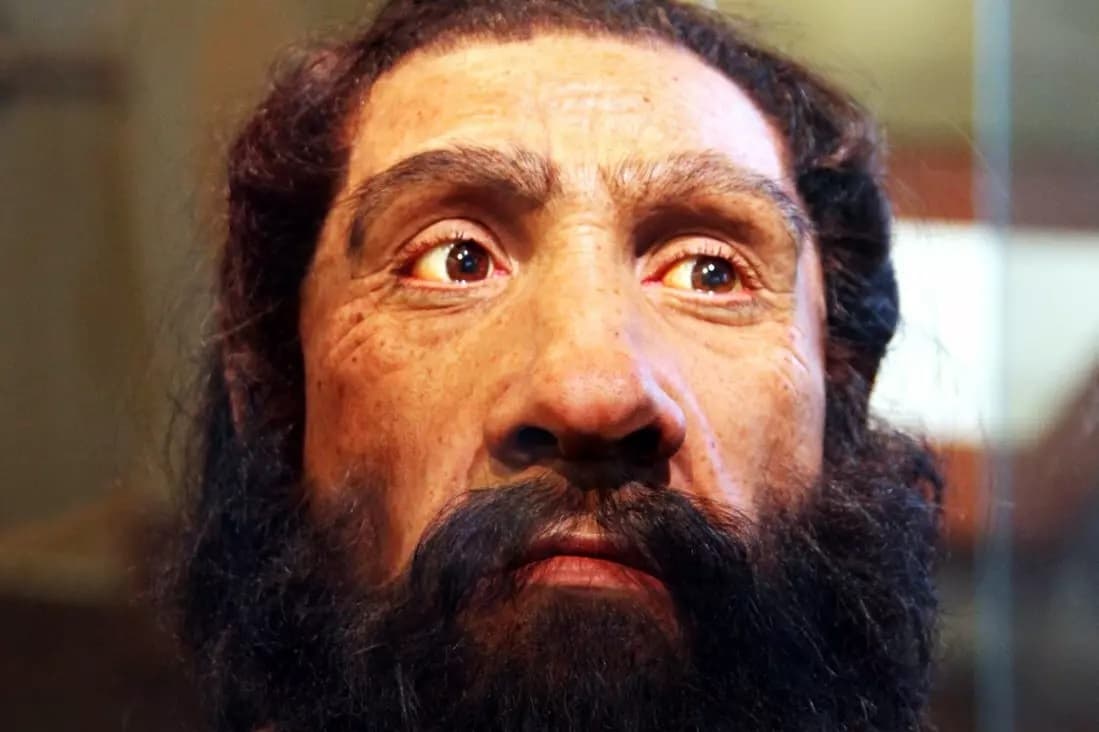
Denisovan’s genes quickly spread. The discovery of its spread suggested that the Denisovans might have been more extensive than their few remains would confirm. Scientists think that the fossils that were only ten thousand years old might also be some Denisovans. Some of them might have wandered around the world and might have tried mating with some Neanderthals and some other ancient species that scientists could not identify accurately. They may be the hobbit-like, Homo floresiensis – these types of hominins were bipedal and walked way different from other modern humans.
Homo Floresiensis
Neanderthals Has The Same DNA With Africans
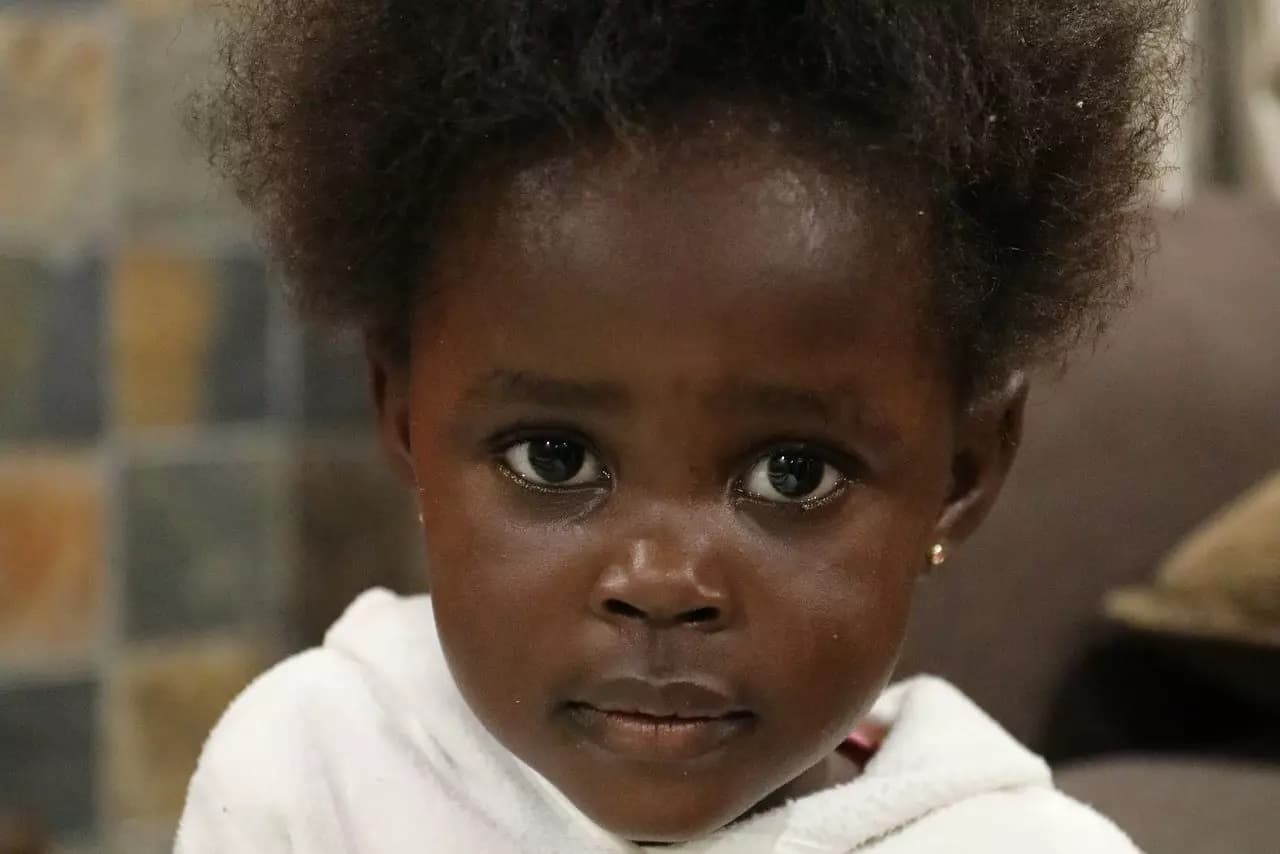
Excitingly, some DNAs of Neanderthals showed up in the DNA of Africans. This DNA provides enough evidence that the two species moved from one place to another, settled and mated with each other – the two waves theory of human migration. Some original migrants from 200,000 years ago probably met, mated, and interbred with Neanderthals before returning to Africa. Even before the Neanderthal ancestors’ discovery by the Princeton scientists in 2020, the Africans thought that they didn’t have any interbred migrants. The above picture shows a beautiful little African girl.
Neanderthals Has The Same DNA With Africans
A Wonderful Era
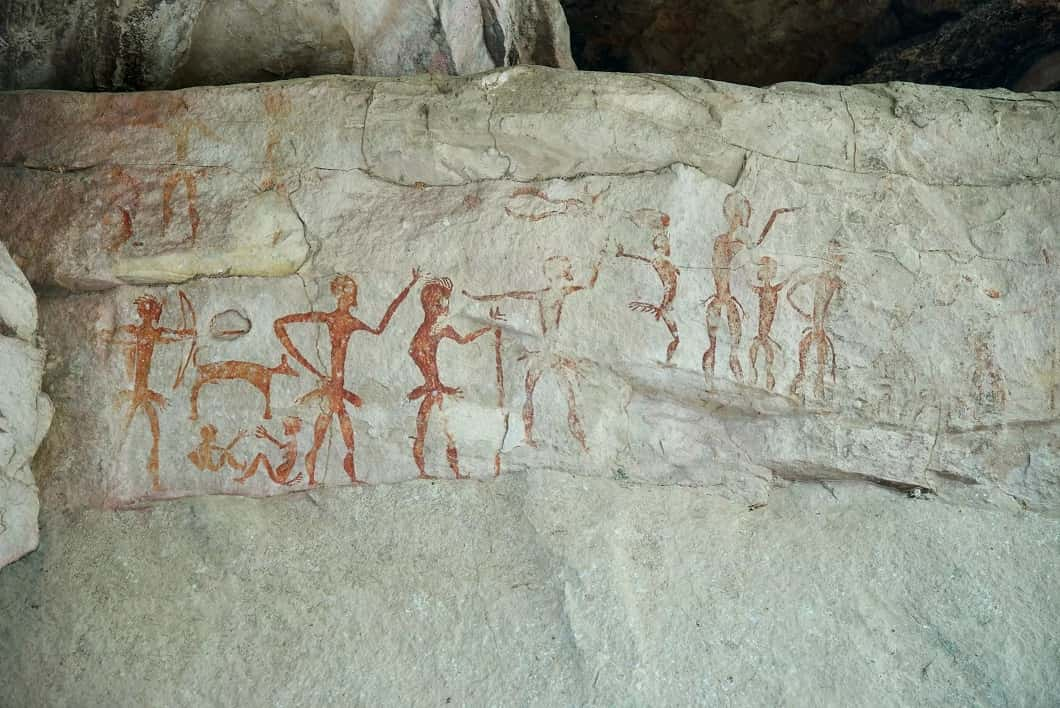
These different and many mixtures of species excite some of the scientists. One of them was Richard “Bert” Roberts. A researcher who originated from the University of Wollongong in Australia told Cosmos magazine in 2018 that he would love to be on the planet earth from 60,000 years ago. He said that the earth used to have a wonderful era where all the types of other human beings wander around the earth. This researcher’s thought also makes me wonder what the planet earth looked like a thousand years ago.
A Wonderful Era
Remaining Hominins
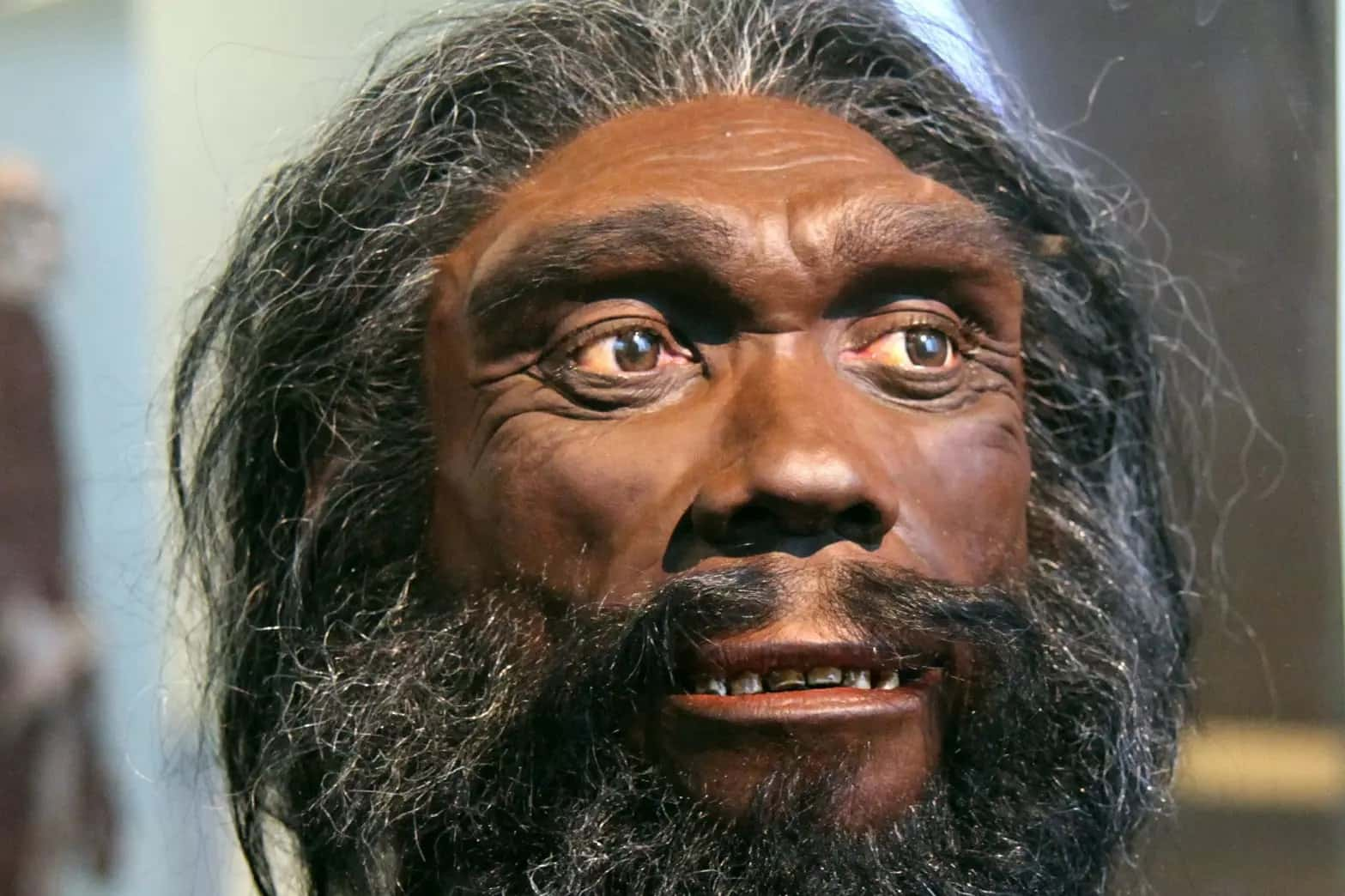
Of course, the diversity of our past gave way to our present world – wherein we are the only remaining hominins. Roberts said that our current state seems boring since we’re the only human species left on planet Earth. In the past hundred of thousands of years, we blended and mingled with the other species, such as Neanderthals and Denisovans; but now, according to Roberts, today was quite less diverse and exciting. We are somewhat dismissive – our state of affairs. Roberts was saying this, and he even added, “What a yawn!”
Remaining Hominins
The Ghost Population
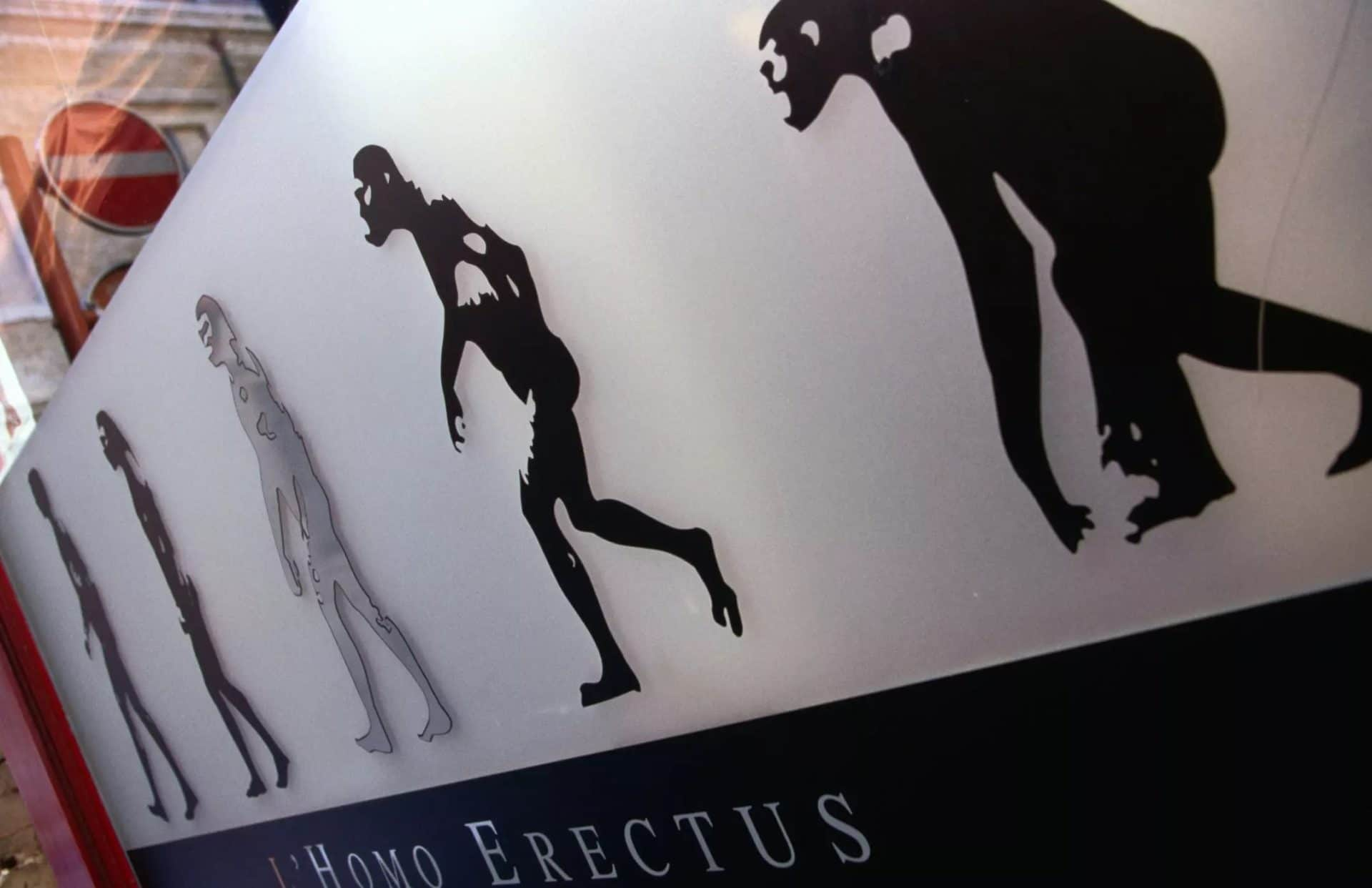
Some research uncovered that those three species of humans were not the only ones responsible for the interbreeding of species. More evidence has been found regarding the “ghost populations” of Hominins that were already extinct even before they were discovered. These ghost populations had many contributions in the story of human evolution long before modern humans left Africa. One of the species in the list that had mated with the later modern humans was the Homo erectus. Homo erectus was the first member of the genus Homo that was recognizable.
The Ghost Population
They’re Unrecognizable
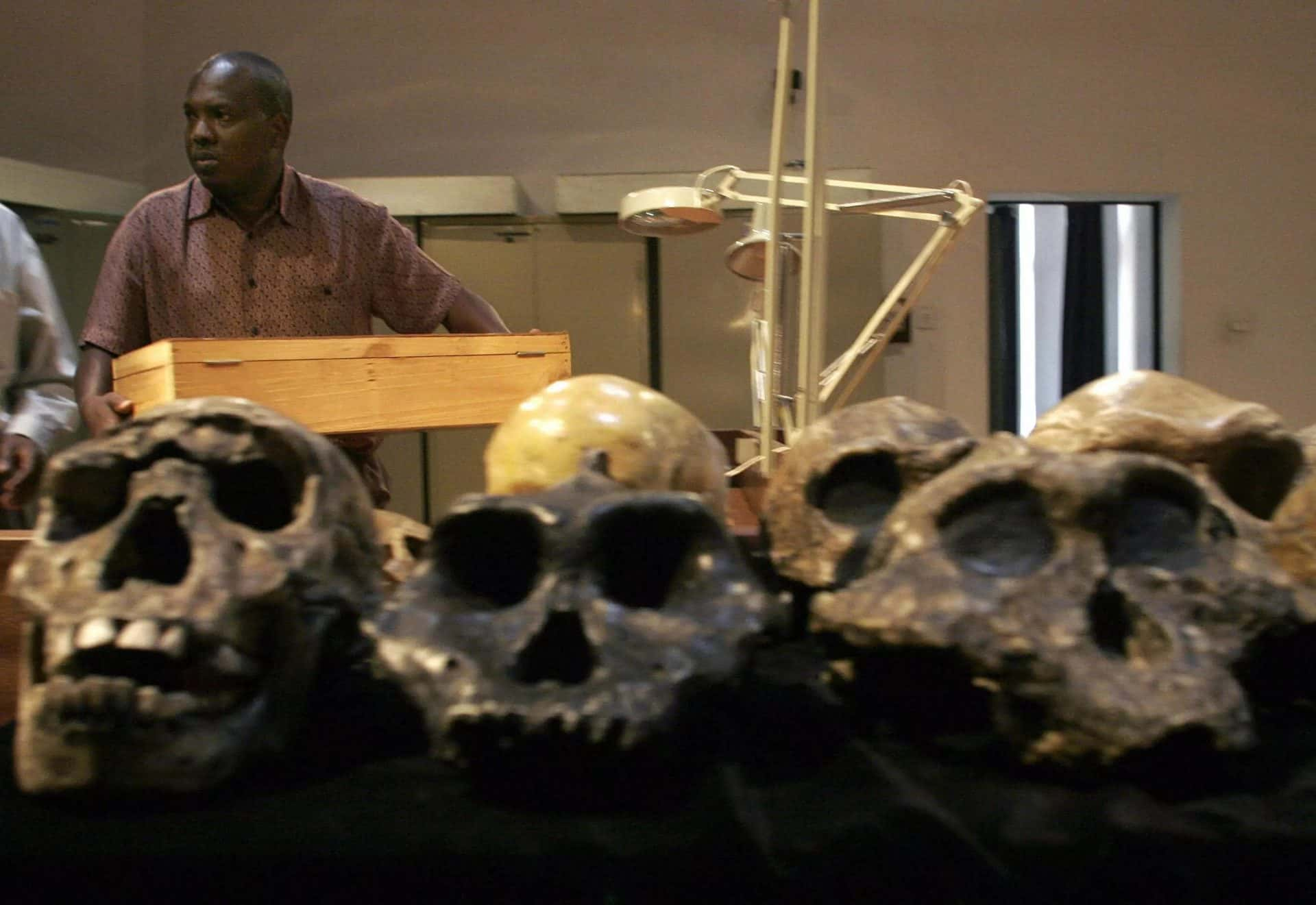
Researchers tried to find a trace of these ghost populations, but it turned out that it was not a simple work. It was finding them that required further study of the human DNA genome by using the intricate examples of the interbreeding of diverse populations and heritages. The research results were far from being specific and precise; it was unsure, especially if we would try to point out who the ghost populations were. The researchers couldn’t even recognize when precisely the mixture of them and modern humans might take place.
They’re Unrecognizable
The Past Remained Uncertain
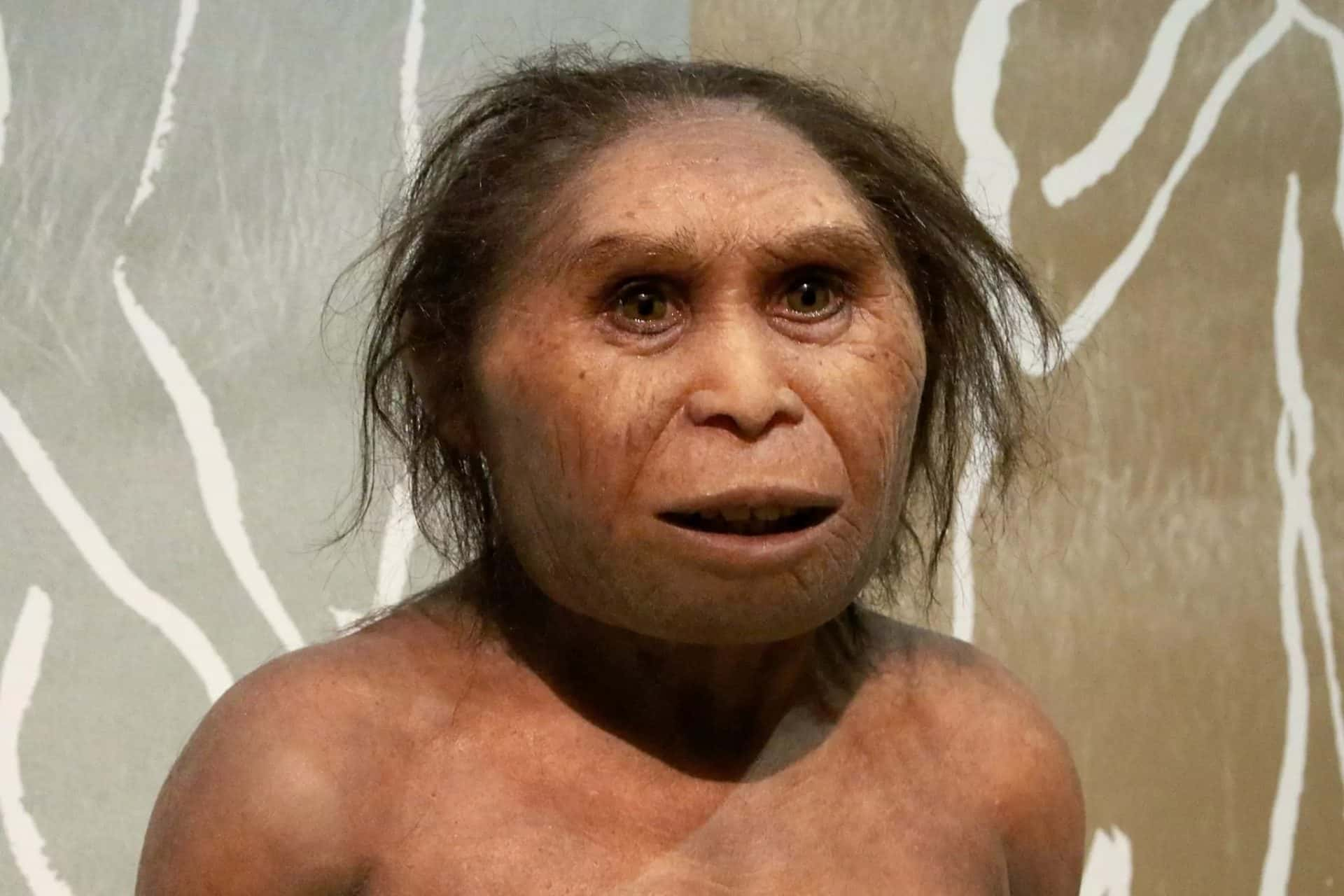
The new evidence, however, did not wholly clarify that getting together and getting on with other human being species wasn’t uncommon for some of our various ancestors of humans. Researchers could not ultimately prove it with all the discovered details, even with this newly found evidence. The past remained uncertain. Murray Cox, a computational biologist who uses theoretical principles to understand biological systems, from Massey University in New Zealand, Turitea, was interviewed by Science magazine in February 2020- claimed that interbreeding between different human groups conditioned back in our past.
The Past Remained Uncertain
The Genomes Of Modern Humans
Interbreeding could only be identified with the highest possibility of certainty by sequencing some DNA from the discovered fossils – this was the only way. The DNA extracted from the fossils can afterwards be compared with the genomes of modern humans. This DNA would allow scientists to see whether there is any trace in the remains. This type of process was able to reveal their co-mingling with the Neanderthals and Denisovans. But this could only be done with newer fossils since the older ones could lack DNA due to old age.

The Genomes Of Modern Humans
Hopeful To Identify Human Genes
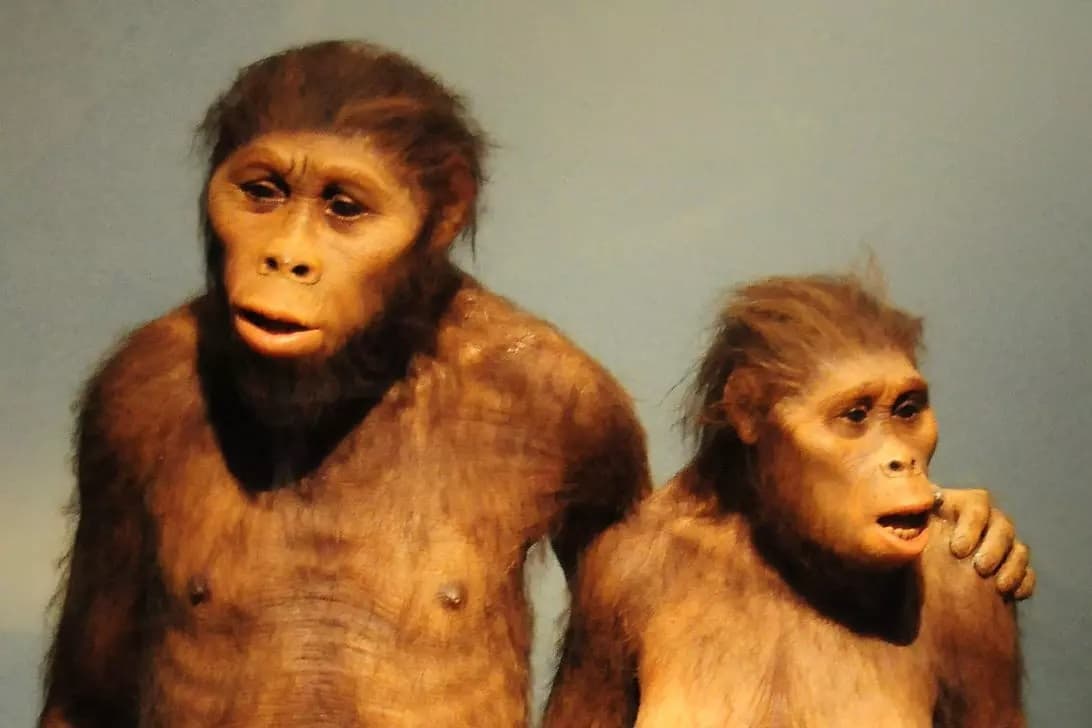
In line with this, scientists and researchers who study genetics tried developing some mathematical tools that might examine today’s human DNAs. They did their best and studied further with all that their knowledge could offer. Researchers were so hopeful of identifying past mixtures of the human genes. The research outcome also made them excited. They used different statistical methods, one after another. After many years of trials and errors and a lot of maybes, they finally ended up focusing on two strains of intermixing from the extraordinarily long and distant past.
Hopeful To Identify Human Genes
Neanderthals and Denisovans
Alan Rogers, a population geneticist, had a team working directly under him. The group operated out of the University of Utah, Salt Lake City. They have found different variations in different genomes at a single place. The group believed that the genomes did not just come from Europeans and Asians of today, but also the Neanderthals and Denisovans of the past. The results came from looking at hypothetical outcomes using eight mathematically different modelled cases of species intermixing. They tried figuring out which one best matched what they could identify.
Neanderthals And Denisovans
The Best Fit For Genomes
There was something even more impressive than Roger’s team discovered – probably the best fit for the genomes, and it was quite astonishing for most of them. They have found that the conventional predecessors of both the Neanderthals and Denisovans had somehow mixed with another old group of people from two million years ago. The ghost population whose DNA was was seen in genomes of what they called “Neandersovan” – coined term might have been the Homo erectus. If this was the case, the intermixing of species more likely happened outside Africa.
The Best Fit For Genomes
Responsible For Interbreeding
Rogers said that he knew who was responsible for the interbreeding that he and his whole team discovered. He said he thinks that there were once, the super-archaics, or people who would have been the first wave of ancient humans to enter Eurasia, around two million years ago. They might have expanded widely and left Africa and stayed in Eurasia, which was isolated from Africans. Not until 700,000 years ago when the Neandersovans met and interbred with a group of ancient humans already there and later on replaced them.
Responsible For Interbreeding
They Tested Human Genes Of Living People
This might have taken place a long time before modern humans decided to leave Africa. Rogers called it “the earliest known interbreeding between ancient human populations and their expansion out of Africa.” Rogers’ team’s version was that the mixing probably happened inside and outside of Africa. However, not everyone agrees with their team’s study. Rogers and his team were still confident about their research because they had many backup explanations about it. They tested the human genes of living people, and evidence of interbreeding would be found in their genes.
They Tested Human Genes Of Living People
Intermixing Of Species
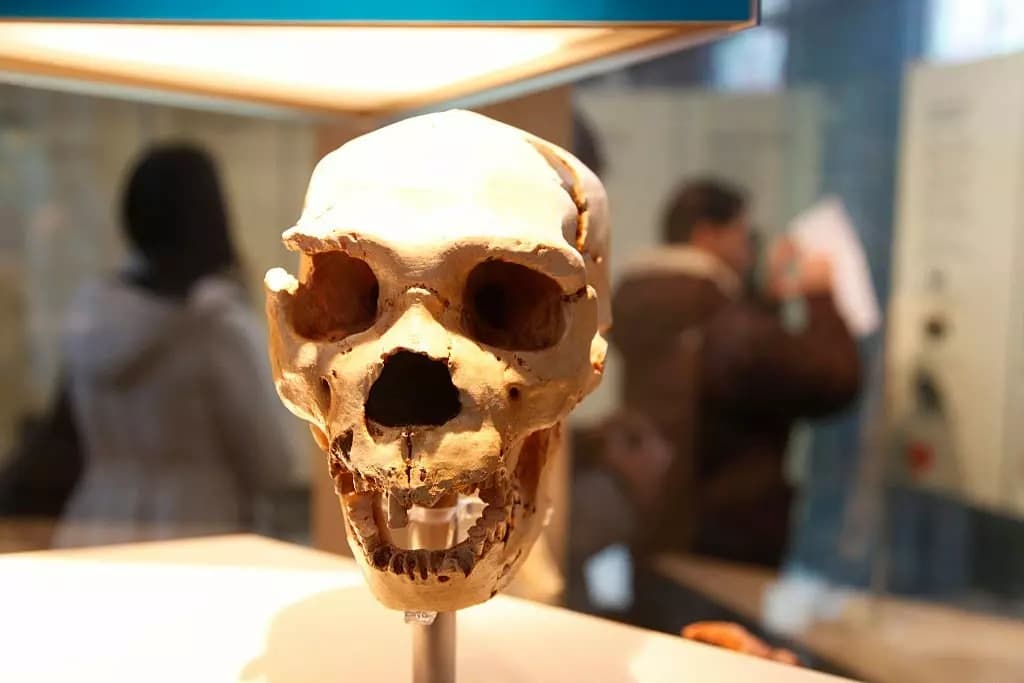
Another set of researchers from the University of California Los Angeles (U.C.L.A.) did similar research work on D.N.A. extracted from people of West Africa. They compared the genomes of West Africans with the genomes of Neanderthals and Denisovans. The study would show that if both genomes showed differences or variations, this should probably be a possible intermixing that happened even before the human ancestors of modern humans ever decided to leave Africa. Many populations have been discovered to be involved in the intermixing of species.
Intermixing Of Species
The Scarce Fossils Of Africa
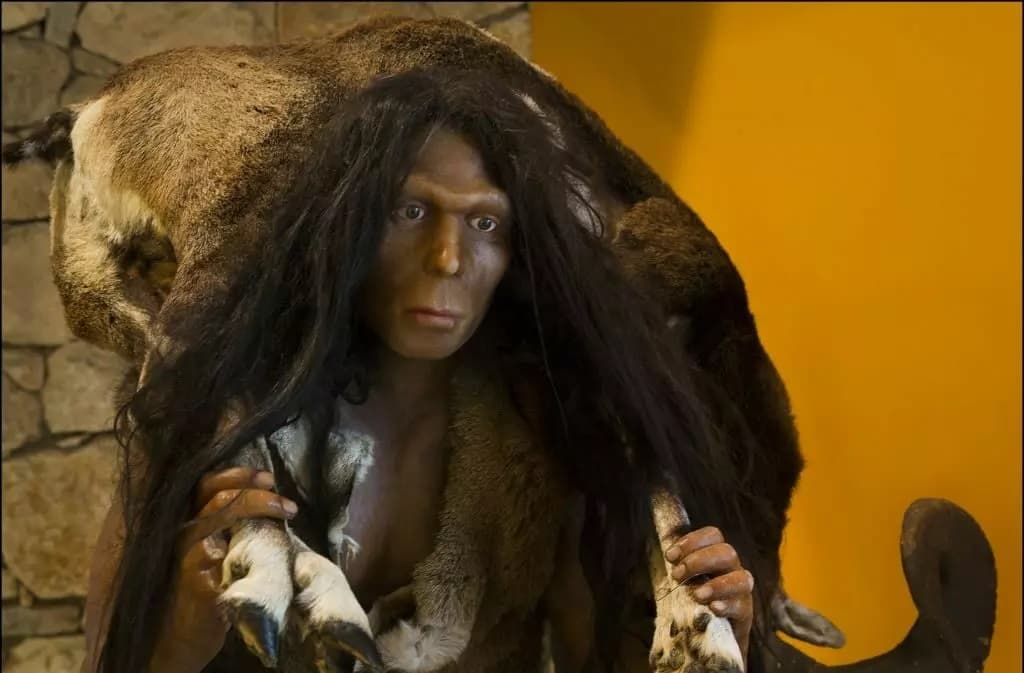
The University of California Los Angeles (U.C.L.A.) discovered that as much as nearly one-fifth of the modern West African’s D.N.A. might have originated from the ghost populations that they were looking for. But the researchers and scientists were cautious enough to state that while several studies showed contributions from deep lineages of the heritage of the present-day Africans, the state of these contributions remains poorly concluded and reasoned out.D.N.A.s is still hard to be acquired from the scarce fossils of Africa.
The Scarce Fossils Of Africa
Mixing Of Species In Africa
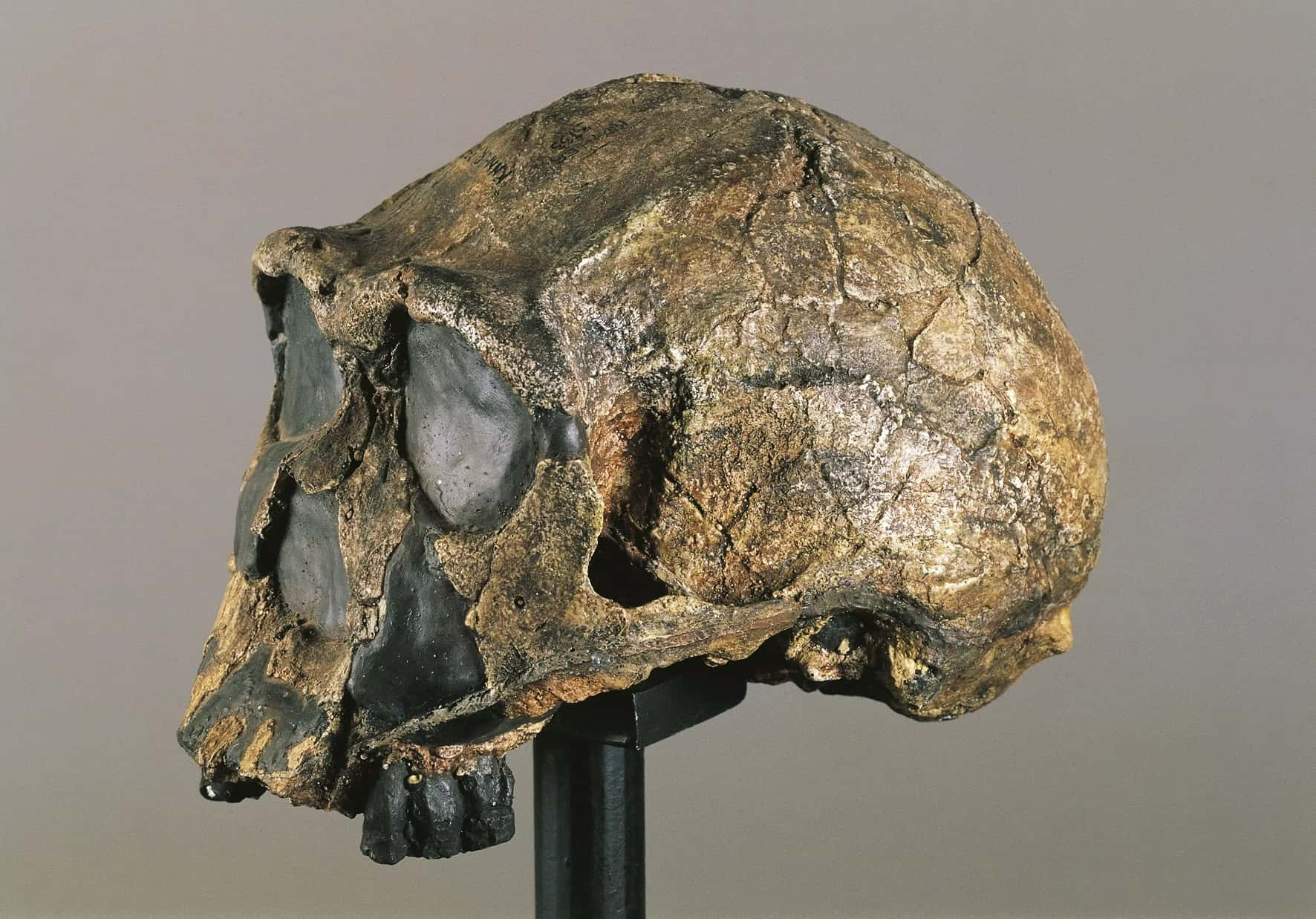
The University of California Los Angeles or (U.C.L.A.) scientists mentioned that the mixing of species inside Africa might be a better reason for the versions of genes we witness today. The intermixing might be much because they found out that some outcomes were not observed in Neanderthals or Denisovans when they looked closely at the West African genomes. These findings only signify clearly that some ancient populations of human species might have passed down their genes after humans had left out of Africa for their second time.
Mixing Of Species In Africa
Where Did We Come From?
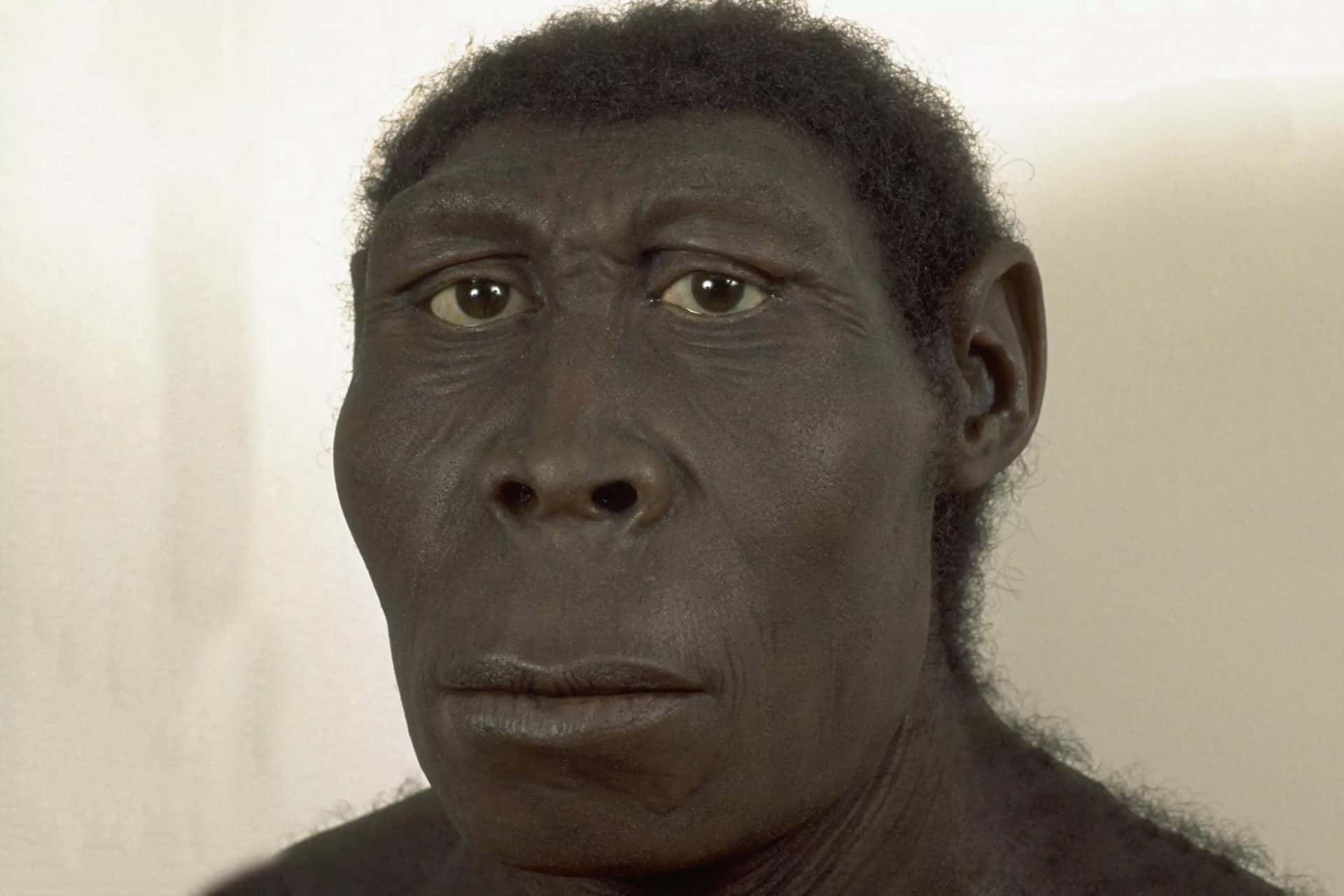
The hanging question we all have was who these candidates might have been. It might have been a single Homo erectus, a Homo heidelbergensis, or might be other similar species that lived long enough and was able to meet and mate with the Homo sapiens that was dominant within the last 124,000 years. The candidate might be from a small group of species. However, though they existed before and have been extinct and long gone, at least, one or a few of that Hominins lived on in Africans’ DNA.
Where Did We Come From?
Modern Genomes Of Africa
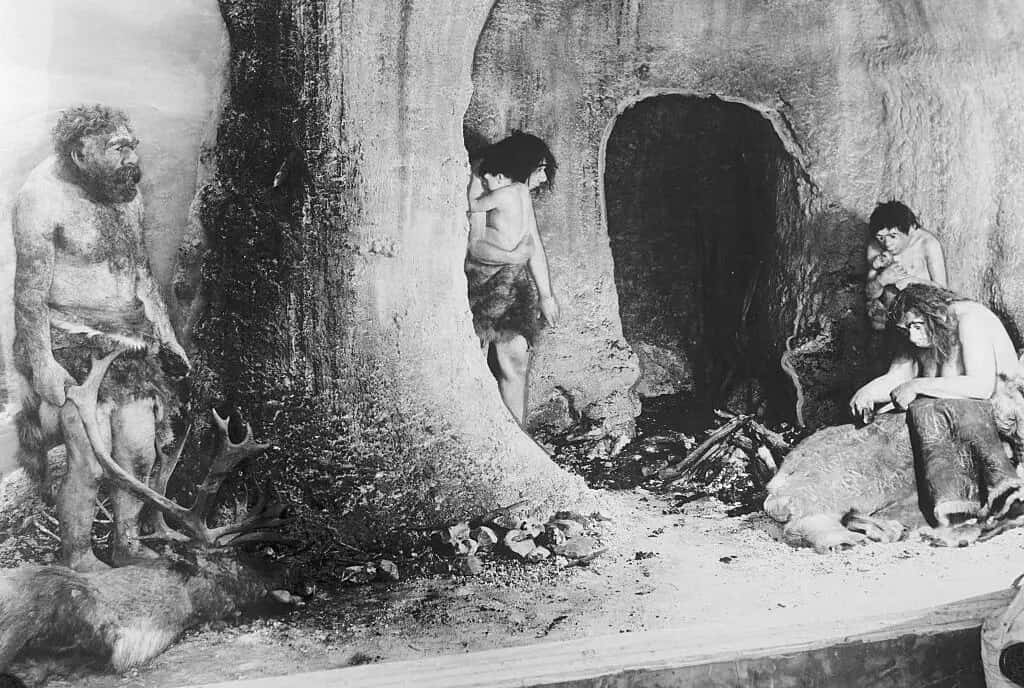
For the scientists and researchers of the U.C.L.A., the said case was complicated because the D.N.A. of Neanderthals has been found in the modern genomes of Africans. One of the lead scientists on the U.C.L.A. team, which was known to be named Sriram Sankararaman. He said that a tiny part of what he had discovered might probably be connected and might be explained best by the back-migration of Neanderthals. However, it is believed to have rooted most likely from the archaic ghost hominins.
Modern Genomes Of Africa
The Ghost Population Is In Africa
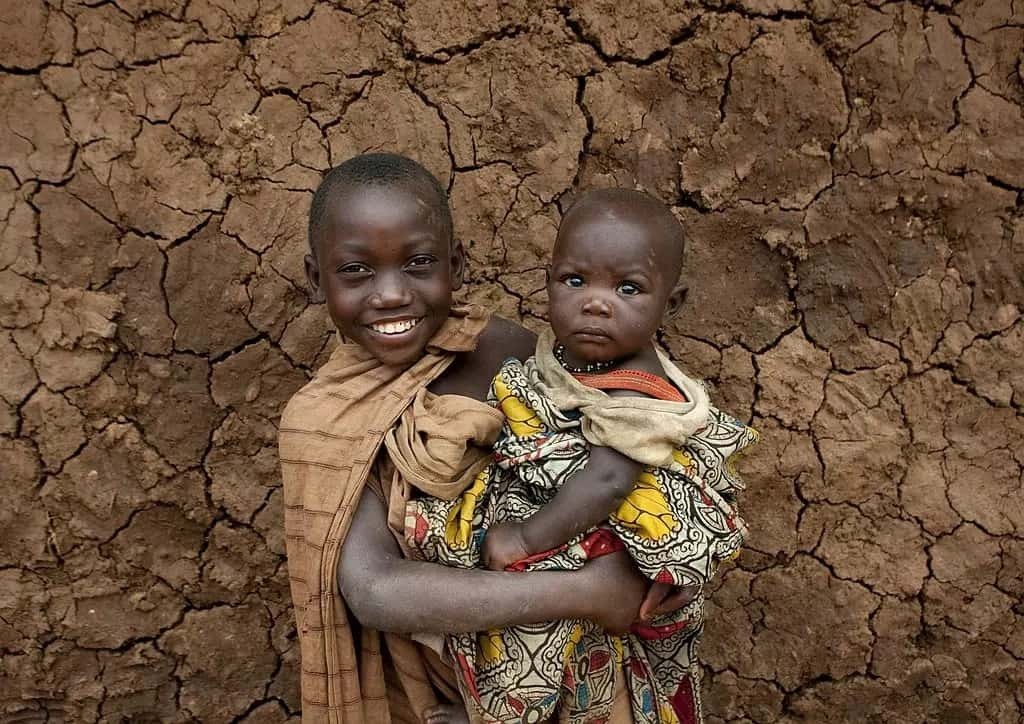
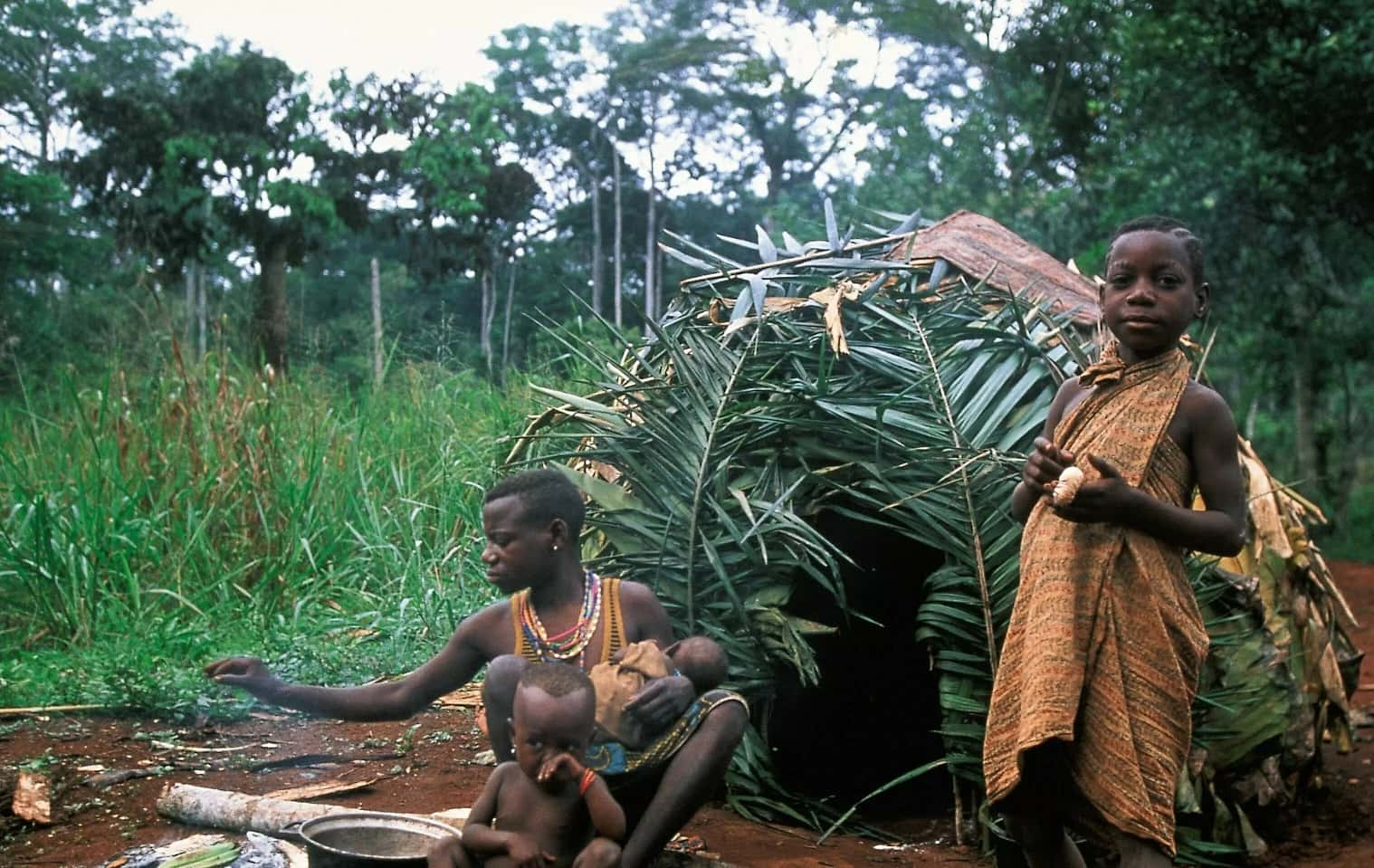
The U.C.L.A. team is not the only team of scientists and researchers who discovered a ghost population in the area of Africa. University of California San Francisco (U.C.S.F.) scientists also had found some strong traces in the Khoisan of Southern Africa, where the hunter-gatherers stayed and in the pygmies of Central Africa, where their forest people lived. But they could not precisely tell what kind of ghost population or populations they were. They also could not even identify the time when the intermixing happened.
The Ghost Population Is In Africa
New Set Of Archaic Species
Jeff Wall, one of the geneticists from the University of California San Francisco (U.C.S.F.) team, had given them a warning. According to him, the case might be- modern humans have been in that ghost population in Africa who chose to live separately from other Homo sapiens for too long. This outcome might have caused them to look different as if a new set of archaic species. Joshua Akey of Princeton’s University told Science that our knowledge regarding African population history, specifically, was so much left and far behind.
New Set Of Archaic Species
Separation Of Population
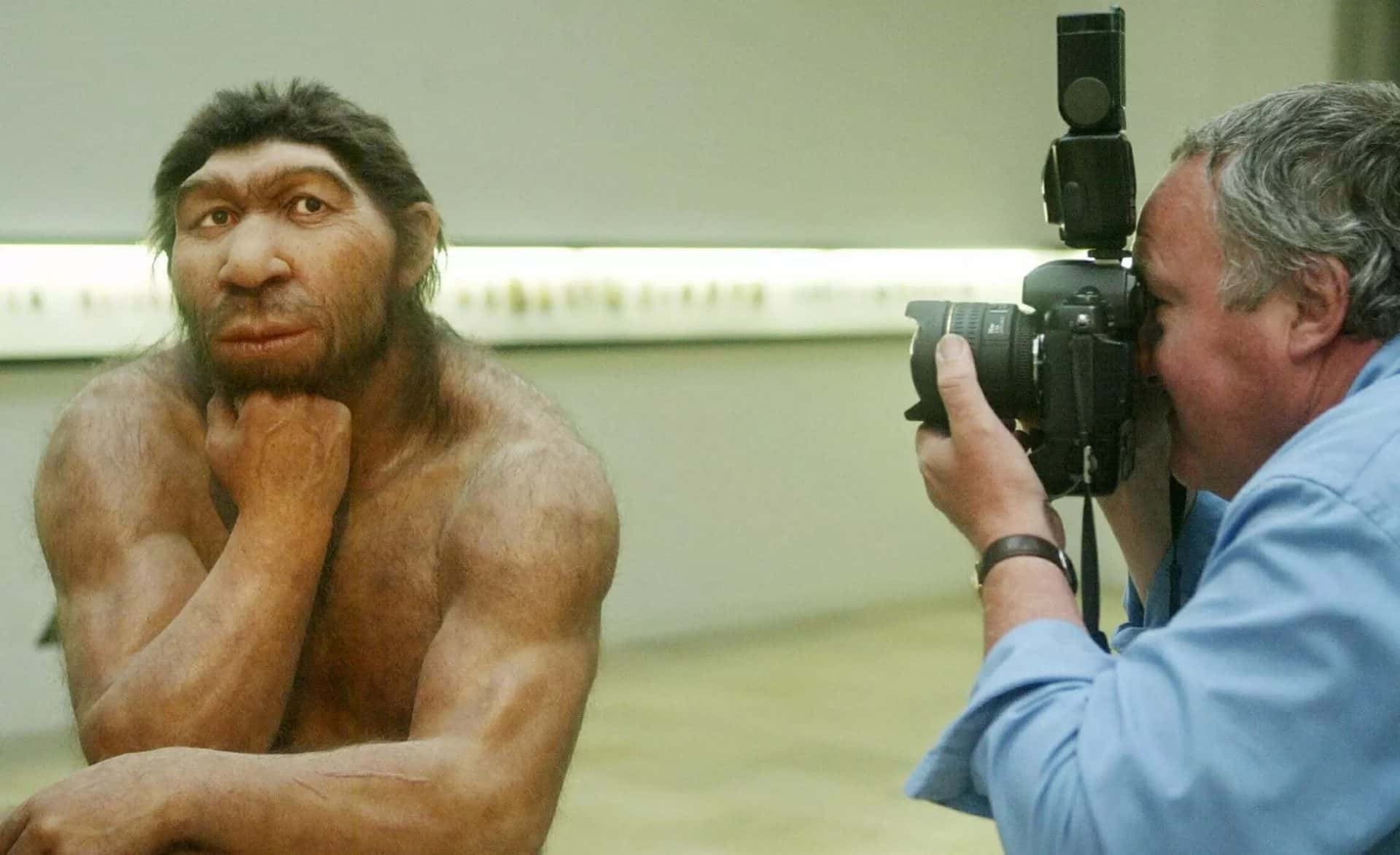
Whatever may be positive about who the ghost populations of hominins were in Africa, there was only one thing that the scientists could all agree on – that even widely spread groups could always possibly intermix. Pontus Skoglund, a population geneticist, known to have worked at the Francis Institute in London, confirmed to Science that he realized this when he looked at the other human species that also mix separated mainly groups. Also, according to him, we have been losing the fact that separation of populations is understandable with instant isolation.
Separation Of Population
Novel Genes
It could be a close possibility that the intermixture of groups has been separated from each other many years ago. It would be a better way to bring novel genes inside a population. Novel genes are classified by age, and the timeframe isn’t fixed. It could have a lot of benefits if we talked about the useful traits that have evolved. Sankaraman, while studying this, found an archaic variation in the genes that might probably control the species hormonal responses and fight tumors that could grow in the body, for instance.
Novel Genes
Genetic Differences
Scientists believe that there was one thing that was not good for modern humans- to lack the possibility of enormous affluence of differences. At present, we are the only type of human species left, and we could not get real and good wealth from other species that might be closely related. Carina Schlebusch, one of Uppsala University’s scientists, told Science in one of her interviews that we would be in a critical situation if we would try to acquire a substantial widespread species with our quite a few genetic differences.
Genetic Differences
More Ghost Population To Discover
We may still be able to locate and identify ghost populations. Joel D. Irish, a Bioarchaeologist from Liverpool John Moores University, was interviewed by news network CNN. During his interview last February 2020, he said that he thought of a time when there have been all sorts and kinds of populations, with their genetics that might be diverse enough to make them look different from each other. According to him, everybody tends to mate with almost everybody. He told them that there would be more ghost population discoveries to come.
More Ghost Population To Discover