
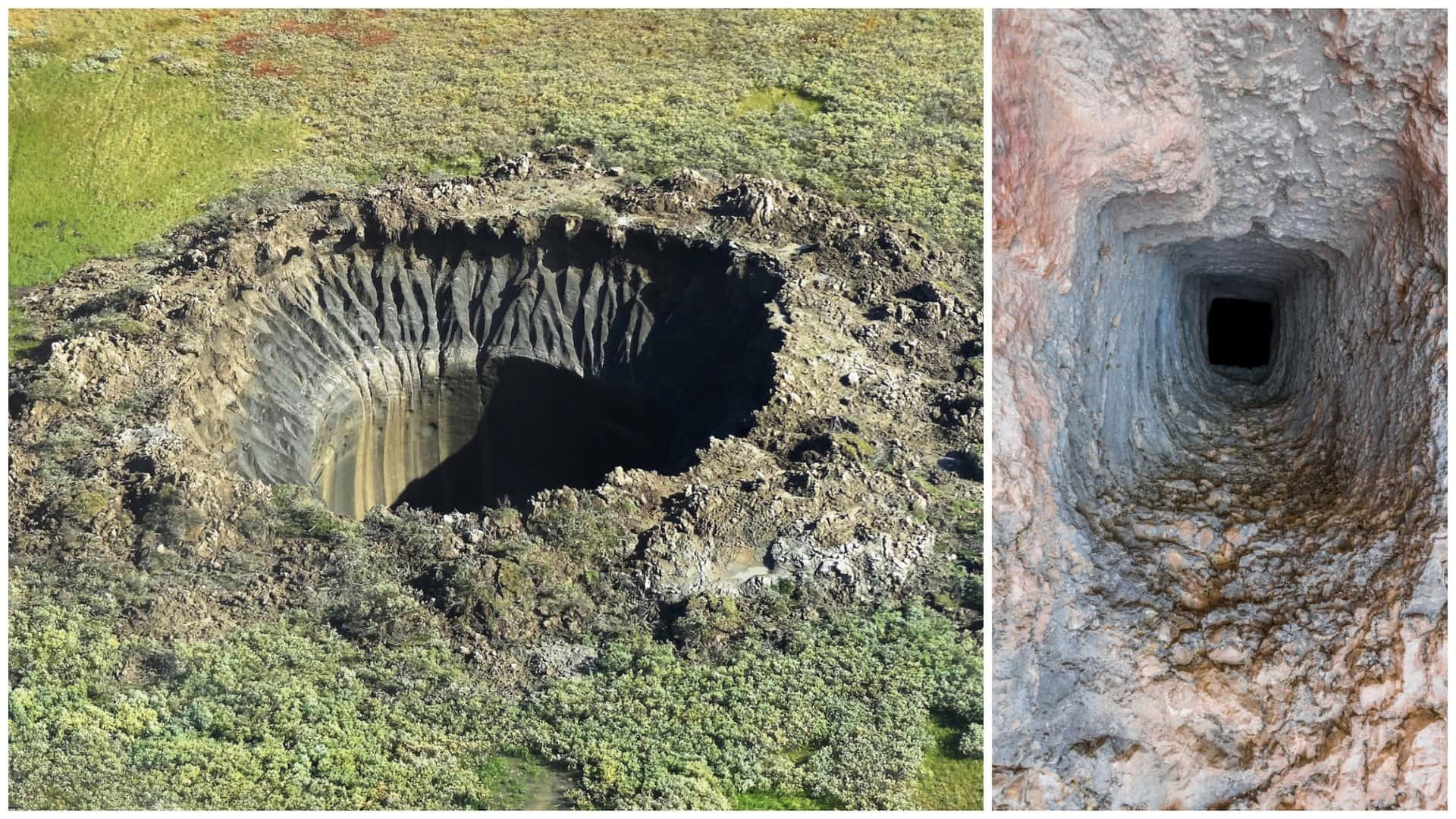
One of Russia’s most remote and mysterious peninsulas can be found in the country’s northwest region. Over the course of decades, scientists attempted unsuccessfully to penetrate the region into the earth’s core. With a depth of more than 40,000 feet, the borehole is considered to be the deepest human-made hole ever drilled.
The Real Reason Experts Had To Seal Up The Deepest Hole On The Planet
The Unexpected
And then something remarkable happened, and they were forced to abandon their tactics. They appeared to have no choice but to permanently close the facility. How could such a ferocious search have been put to an end? What the answers to these questions will be is something you could never predict…

The Unexpected
Above And Below
It is easy to understand why people are interested in learning about the unknown. We are not surprised to learn that humanity is fascinated by anything that lies beneath the surface of the earth. We’re also captivated by the beauty of the sky. Commercial enterprises and international space organizations have assisted us in learning more about the universe than we could have imagined possible in previous years.
Above And Below
Interesting Discovery
Despite the fact that the first artificial satellite was launched in 1957, we haven’t looked up at the sky in a very long time. What lies beneath our feet is just as intriguing as what lies above it.

Interesting Discovery
The Cold War
Some people even believe that we know more about space than we do about what lies beneath the surface of the earth. As far as we know, you may have heard about a space race between the United States and the Soviet Union at some point during the Cold War’s heyday. However, only a small number of people are aware of the underground’s existence.
The Cold War
Race To The Depths
Scientists in the United States and the Soviet Union began conducting crust penetration tests in the late 1950s. This section of the world stretches for up to thirty kilometers to the center of the earth, and it is the longest section of the world.
Race To The Depths
The Mantle
The thick shell then gives way to the mantle, which is a hazy inner layer that is difficult to discern. This deeper stratum is responsible for nearly 40% of the Earth’s total mass, according to some estimates. In terms of scientists and researchers, this has resulted in an interesting journey.

The Mantle
Project Mohole
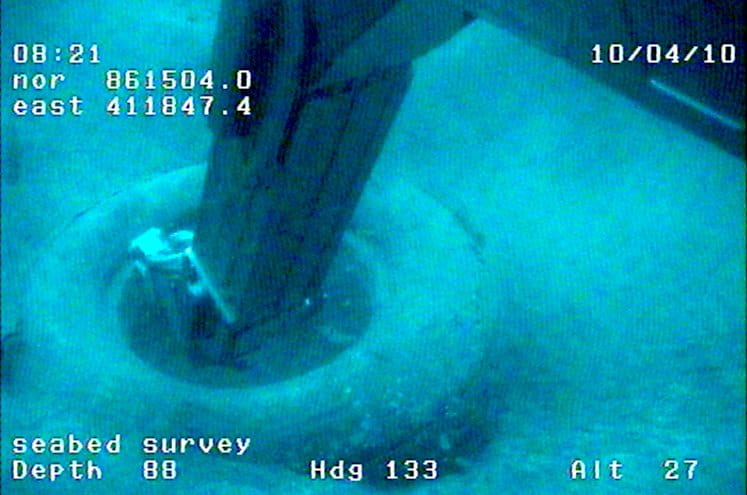
The United States took the initiative in 1958 by launching Project Mohole, which was the first of its kind. It is located in the vicinity of Guadalupe, Mexico. A team of engineers drilled a hole through the seafloor of the Pacific Ocean.
Project Mohole
Reaching The Mantle
They were able to dive to a depth of more than 600 metres. Because of a reduction in funding, Project Mohole was canceled after eight years of operation. The Americans were unable to locate the mantle.

Reaching The Mantle
The Soviets
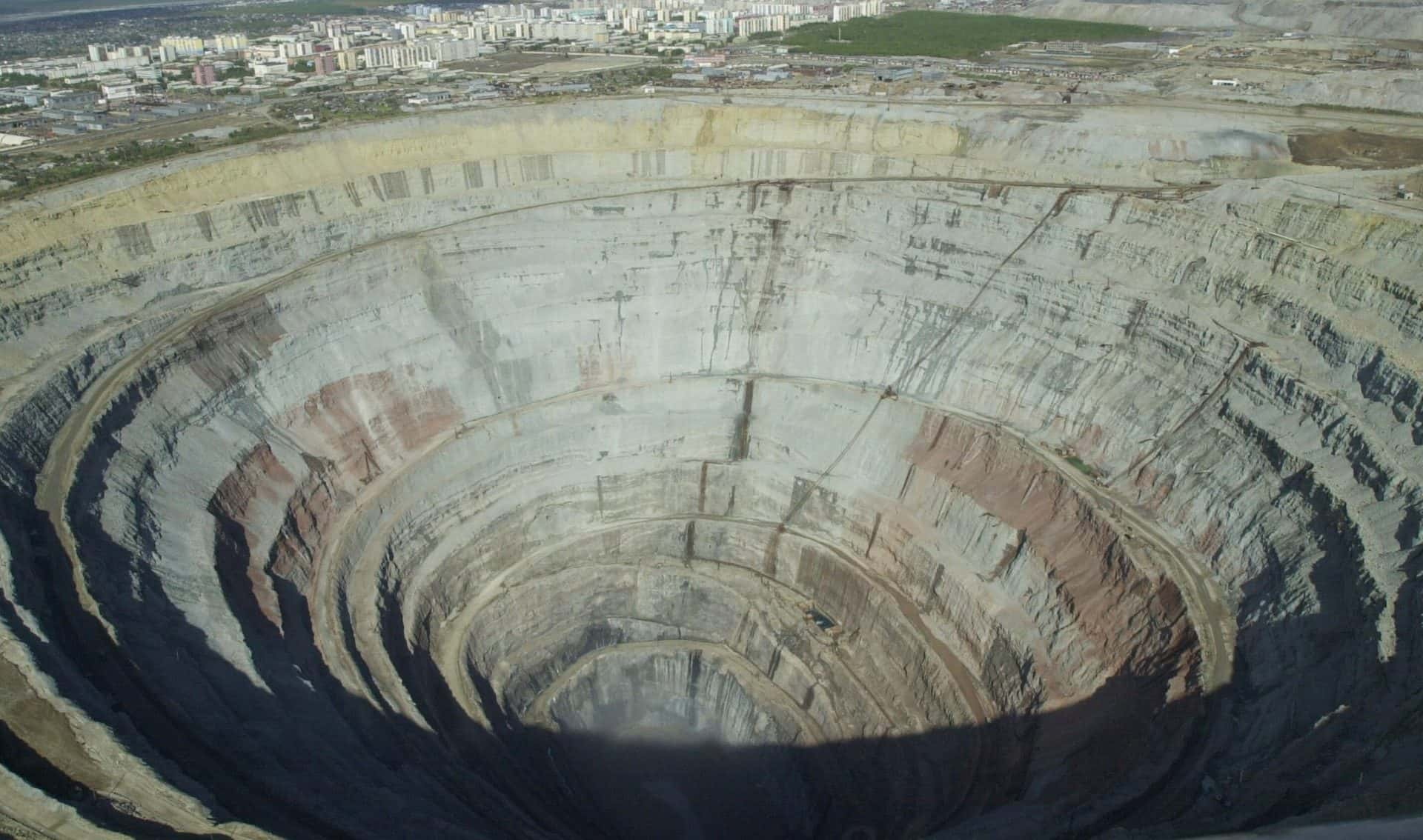
Finally, the Soviets were given the opportunity to strike. A group of experts began drilling into the earth’s crust beneath the Pechengsky District. In contrast to the initial research, this was a new approach to take. Something wasn’t right.
The Soviets
Digging Deep
This is a unique location on Russia’s Kola peninsula, and it should not be missed. The objective was self-evident. They simply desired to drill as far into the crust as they possibly could.

Digging Deep
What Their Goal Is
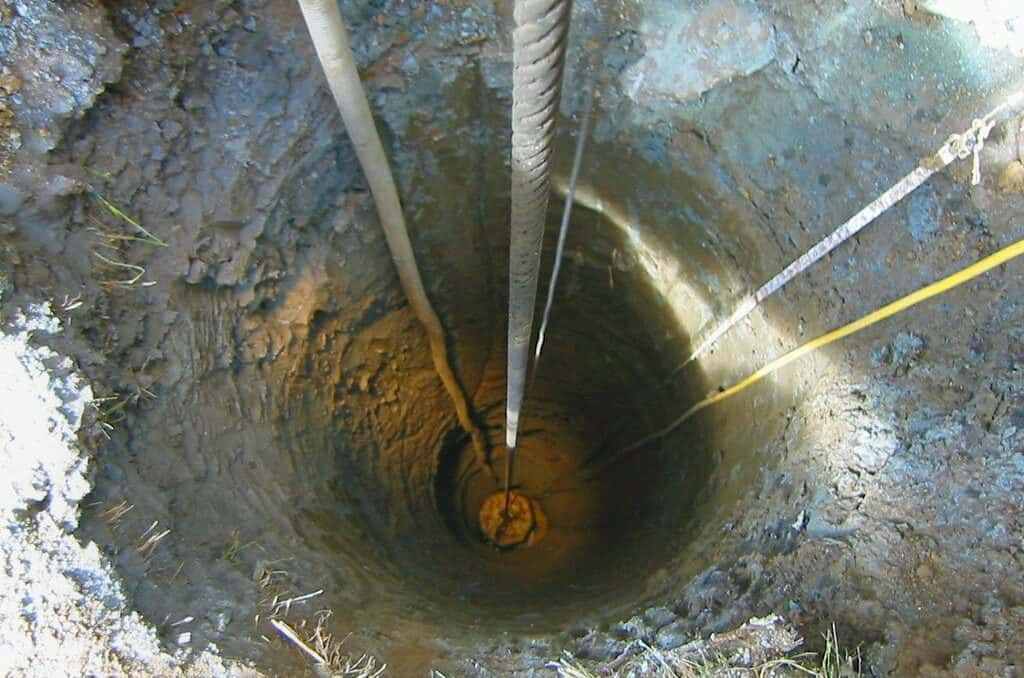
In addition, the Soviets planned to drill down to a depth of 49,000 feet into the Earth’s surface. A single cavity was used to start several boreholes, which were then connected together with the help of specialized equipment. While the American prospectors were working toward this goal, they were also making strides in their own lives and careers.
What Their Goal Is
Bertha Rogers Hole
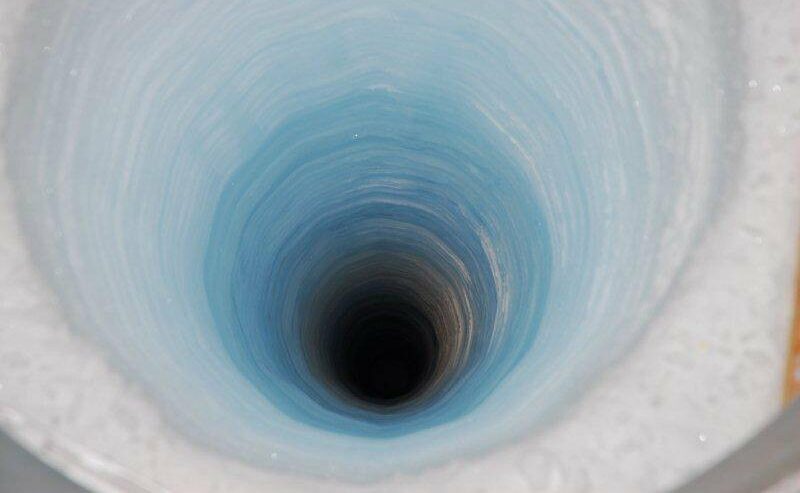
The Lone Star Production Company began drilling for oil in western Oklahoma in 1974, and the company is still active today. After all, the company called it the “Bertha Rogers hole” because of her.
Bertha Rogers Hole
Where Is It Located?
The man-made wonder, which lies more than 31,400 meters below the surface of the planet in Washita County, is an engineering marvel. This location is more than 6 km away! It turned out to be quite significant!

Where Is It Located?
Breaking The Record
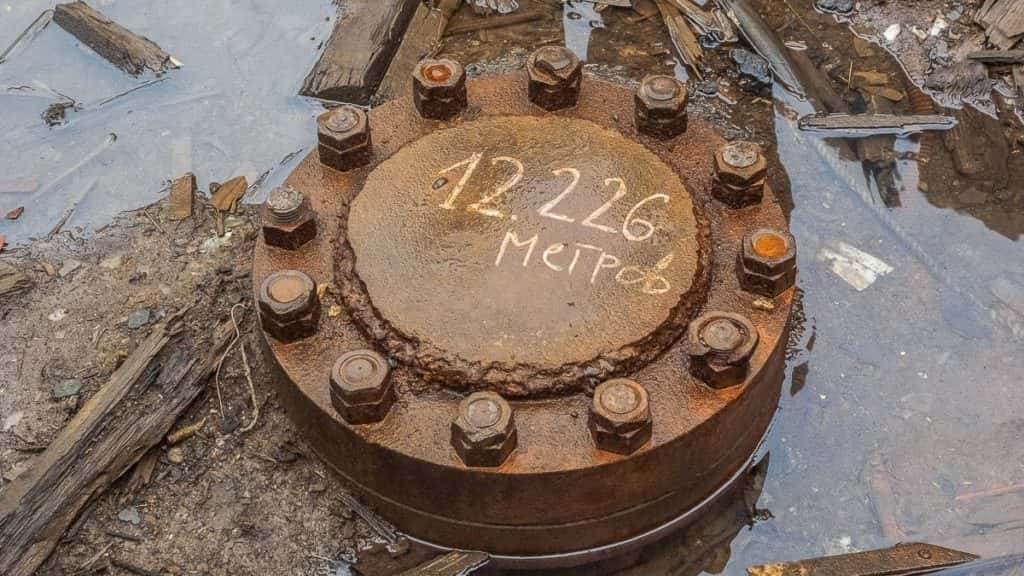
Despite the fact that Lone Star was unable to discover what it was, the endeavor continued for another five years. It was possible to reach the planet’s surface through the nine-inch-wide hole by 1983, which was an incredible 39,000 feet. On June 6, 1979, a borehole known as SG-3 broke the previous record.
Breaking The Record
After That Milestone
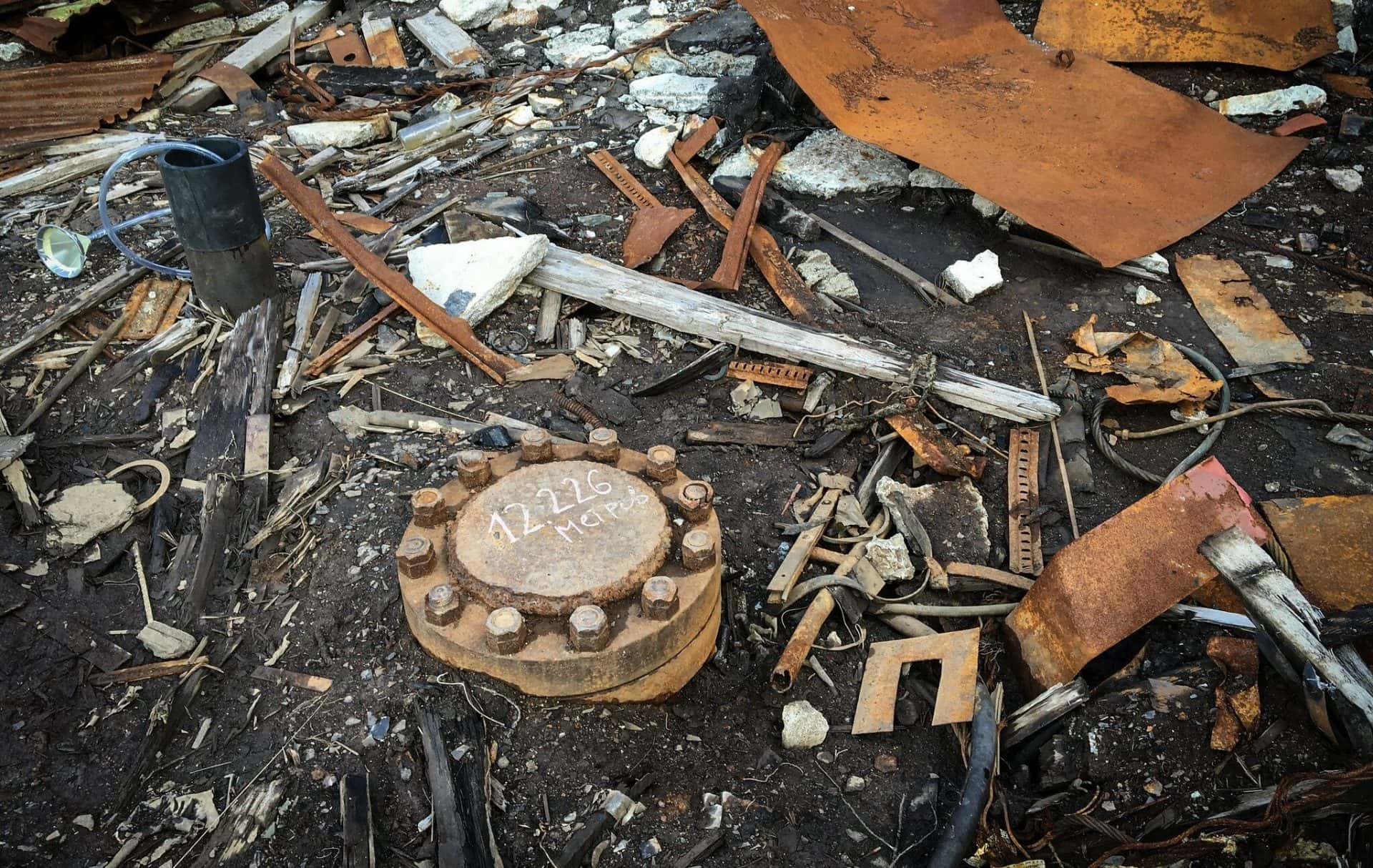
Having reached this milestone, the Kola Peninsula researchers have taken the decision to temporarily shut down their instruments. They took a year off from working on it and allowed several visitors to come and see the wonderful place.
After That Milestone
Technical Problems
However, when they attempted to resume after a year, they ran into a technical problem that forced them to postpone the event further. Once again, the project was pushed back indefinitely. So, what exactly did the scientists do?

Technical Problems
Not Losing Hope
The researchers, on the other hand, did not give up. The first borehole was abandoned, and they all had to start over from the beginning. This time, they were 23,000 feet below the surface.
Not Losing Hope
Breaking The Record
Reaching 1989, by a depth of 40,230 ft, they had broken the last record (7.5 miles). This enhanced their confidence. By the end of 1990, if all goes well, they actually should be able to reach much above 44,000 feet.

Breaking The Record
Something Down There
The forecast that they were going to reach 49,000 feet as early as 1993 was even more remarkable. But underneath the remote tundra, there lay something surprising.
Something Down There
Something’s Wrong
As they approached the center of Earth, they stumbled across something that had them rethink their tactics. It was a turning point for them. The overall study plan has obviously changed. Why did they do it? What did they saw?

Something’s Wrong
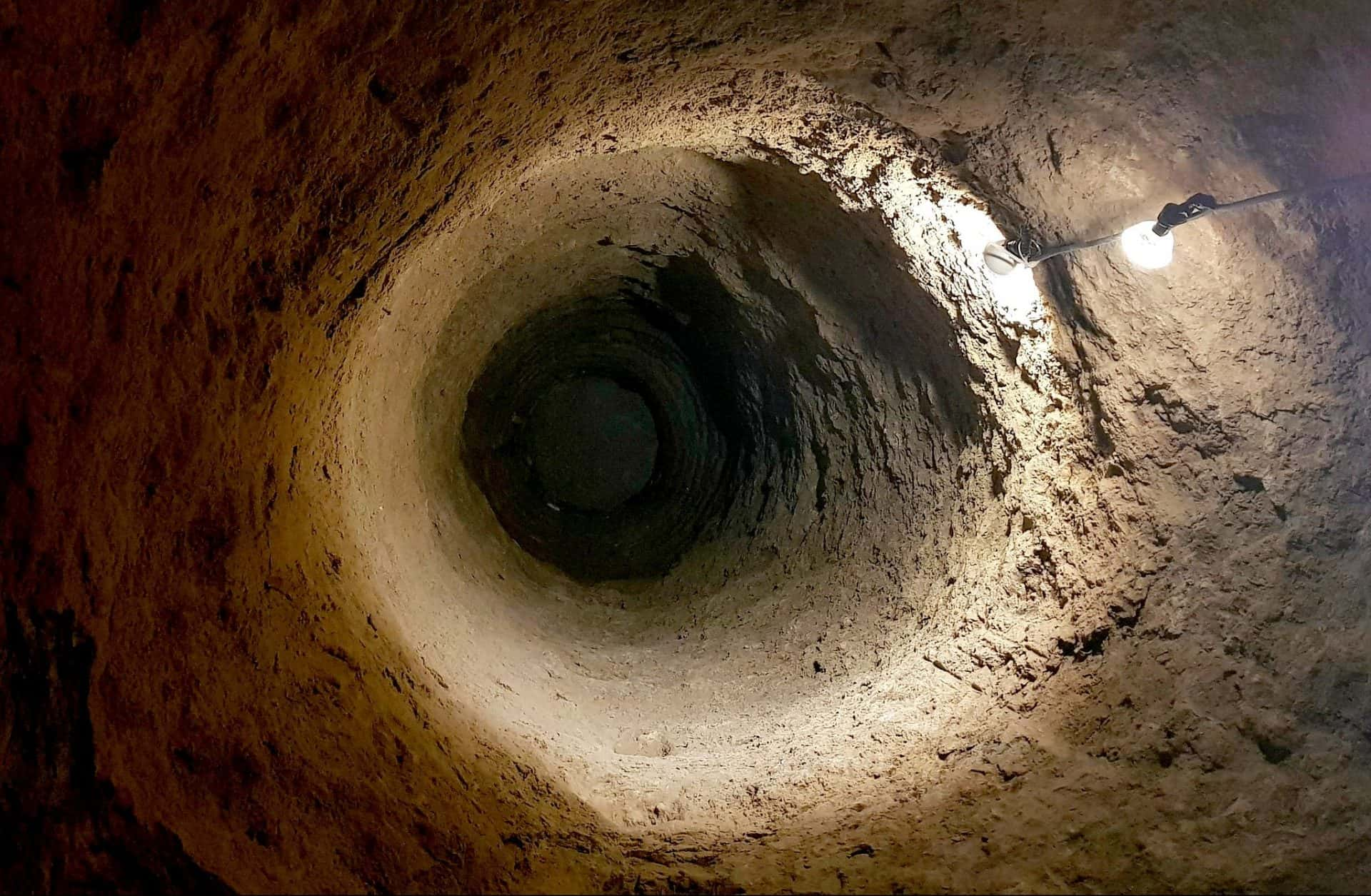
The Unexpected Temperature
Borehole temperatures were almost as predicted by scientists. For the first ten thousand meters of the excavation, this was true. After that, though, things changed.
The Unexpected Temperature
The Temperature Changed
The temperature climbed far quicker than expected. By the time the researchers reached the target, the temperature in the hole was 180°C (356°F). This is a whole 80% hotter than initially predicted!

The Temperature Changed
There Was More
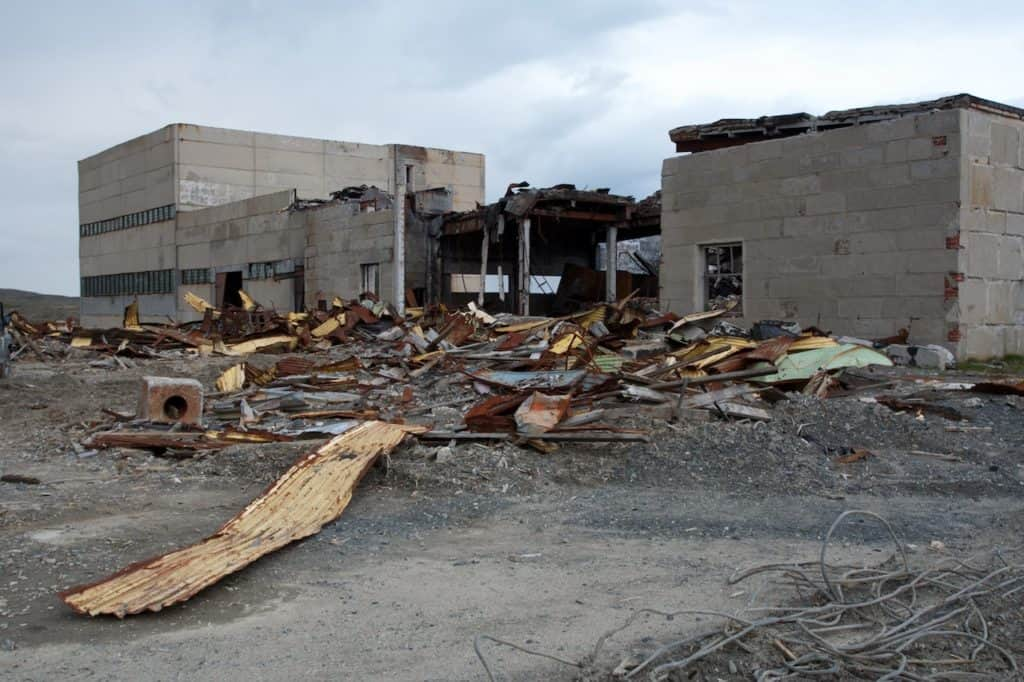
Nor was it all. In addition, the researchers found that the rock in these depths was far less thick than they believed at first. It reacted in somewhat unexpected ways to respond to increasing temperatures.
There Was More
Abandoning The Project
They chose to abandon the project since they realized that the equipment was not going to last. By then, they had begun excavating 22 years ago.

Abandoning The Project
The Kola Superdeep Borehole
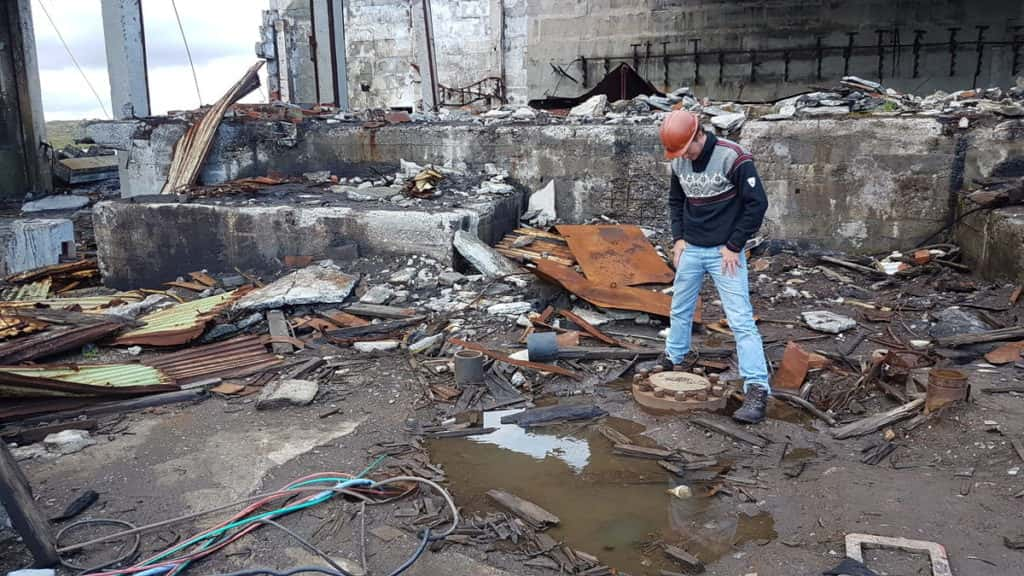
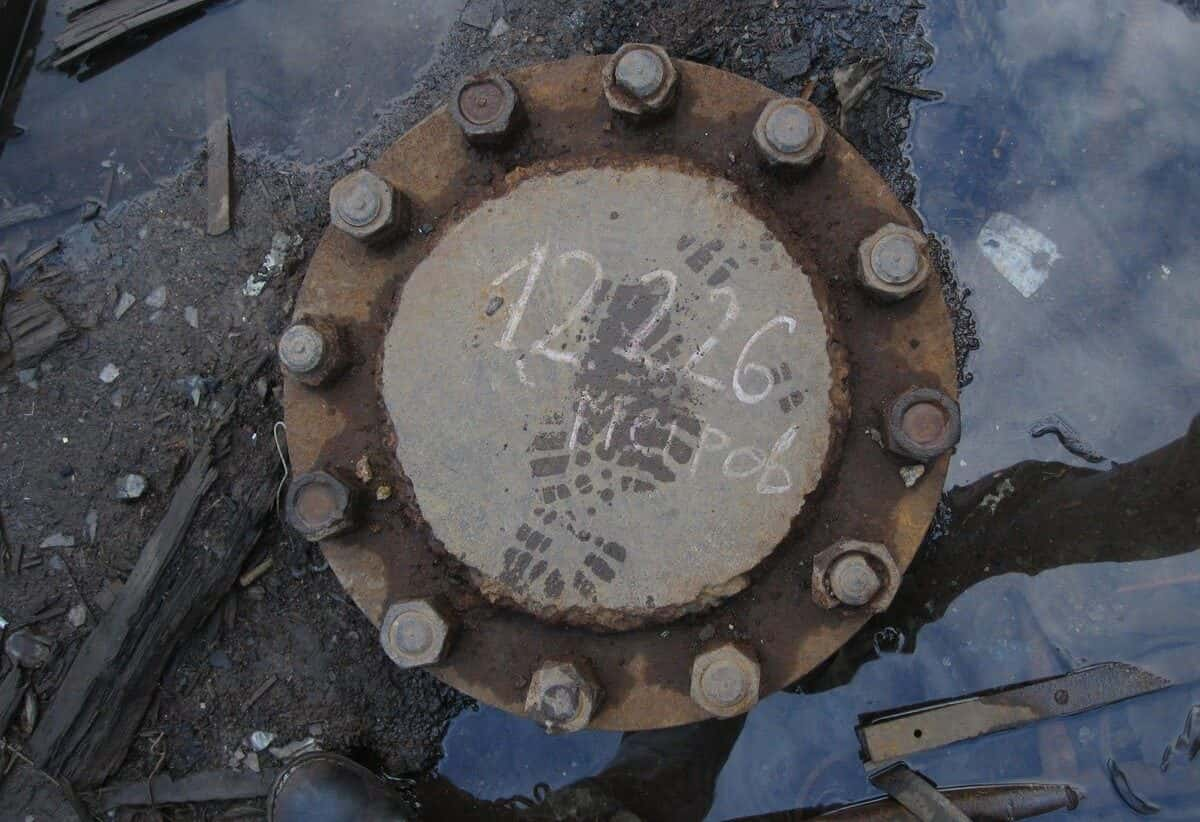
Before they sealed up what is called the Kola Superdeep Boore, the researchers discovered some intriguing stuff. First of all, they found tiny marine fossils around four miles deep.
The Kola Superdeep Borehole
What Did They Find?
The artifacts were in good shape, especially as they were buried under kilometers of rock. By the way, it was estimated that the granite itself was almost two billion years old!

What Did They Find?
Not What They Expected
At the furthest point of the Kola Superdeep Borehole, they discovered an even more exciting discovery! When seismic waves were recorded by scientists, the rock beneath our feet had previously been thought to shift from granite to Basalt two to four miles below the Earth’s surface.
Not What They Expected
It Was Different
Soon they found out they were wrong. This may not be the scenario in the Kola peninsula, at least. After discovering this, several more discoveries developed, leading them to find something even more unbelievable than they believed.

It Was Different
It Was Still Granite
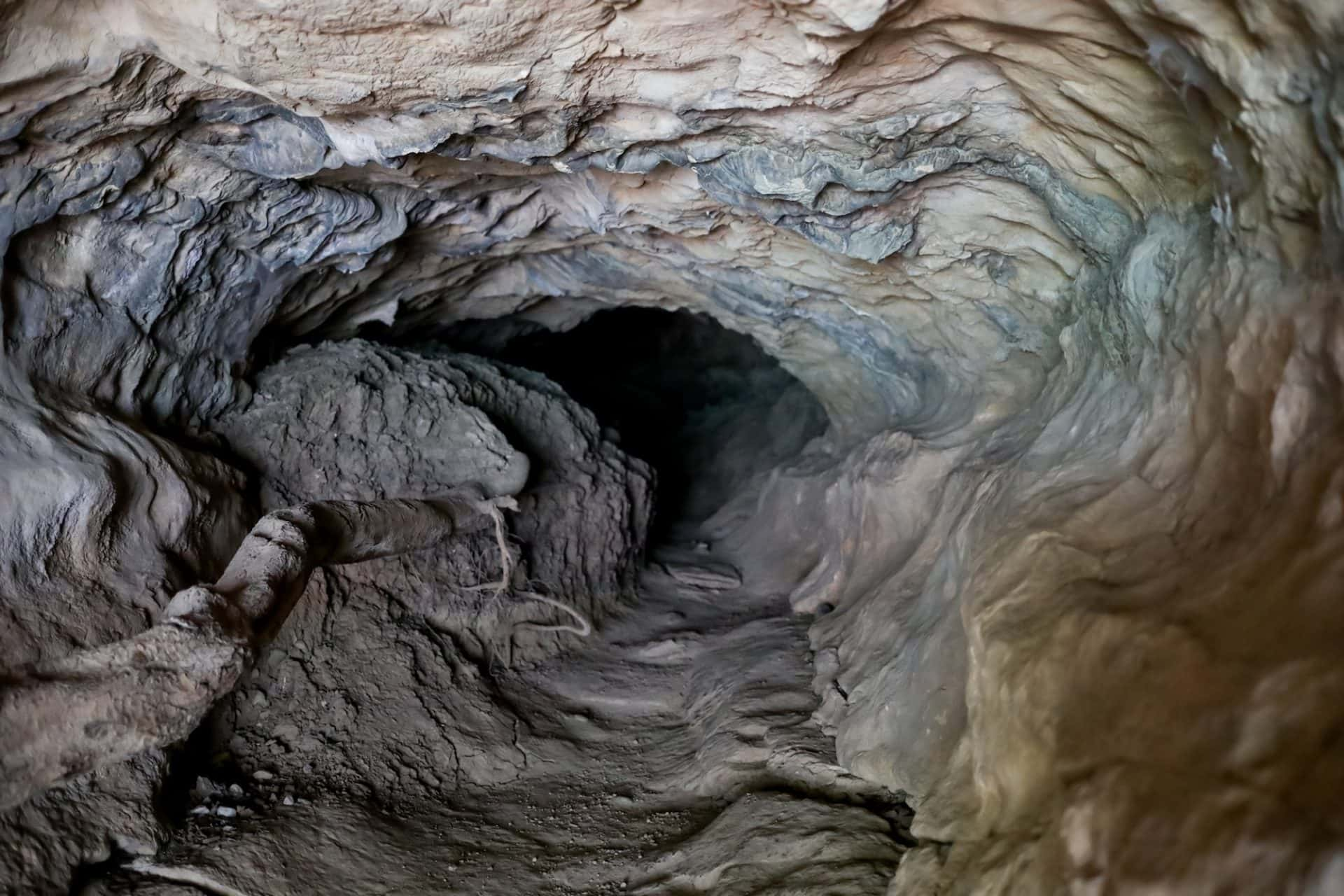
Researchers detected granite at the borehole even as far as possible! After some time, they concluded that the variation in the seismic wave was caused by metamorphic rock changes rather than basalt shifts.
It Was Still Granite
They Found Something Incredible
That’s not the case at all. They also found running water a few kilometers below the beautiful surface. They didn’t expect to see that there!

They Found Something Incredible
Proof Of Biblical Flood
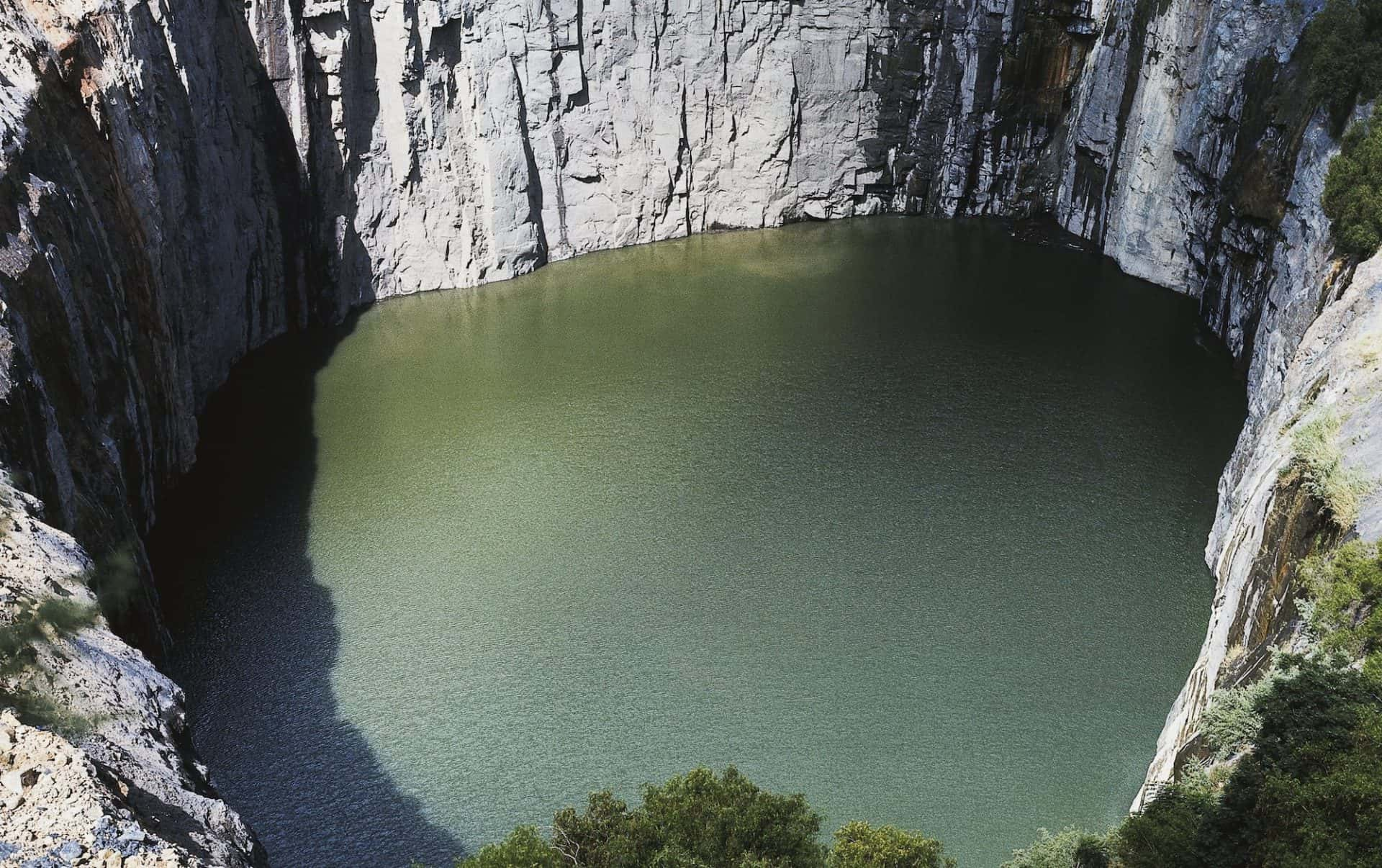
Some ecstatic people decided that a biblical deluge may be found under the surface. It is also thought to be driven by high pressure, which forces hydrogen and oxygen atoms to leave the rock.
Proof Of Biblical Flood
Trapped Beneath The Surface
Then, the creation of freshwater underneath the surface of the earth trapped impermeable rocks. This was the researchers’ explanation when they found it. What do you think?

Trapped Beneath The Surface
Closure And Collapse
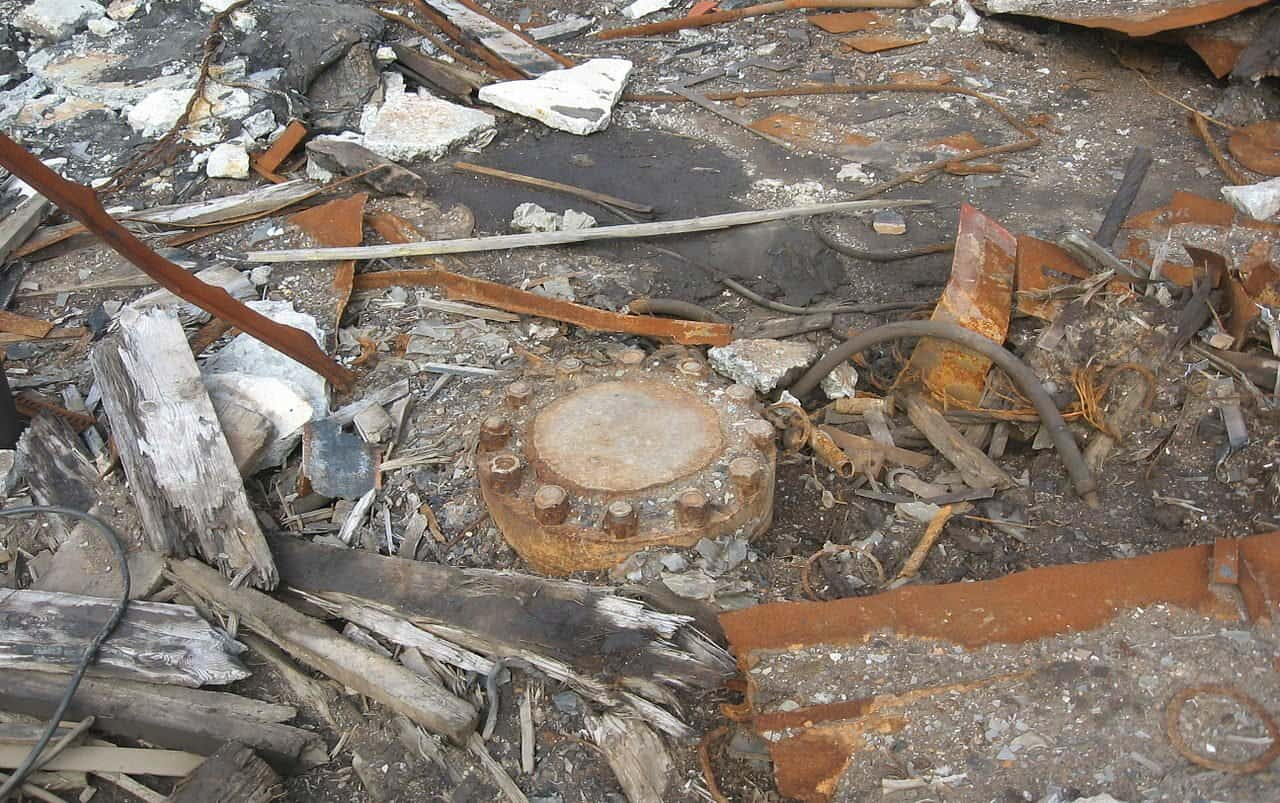
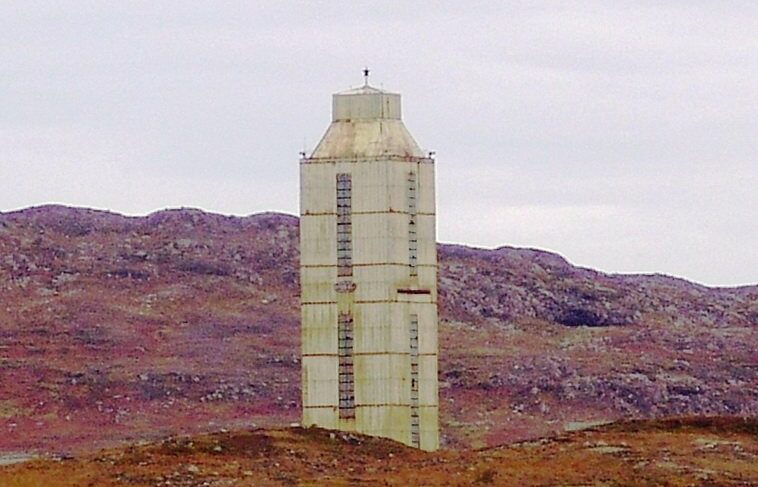
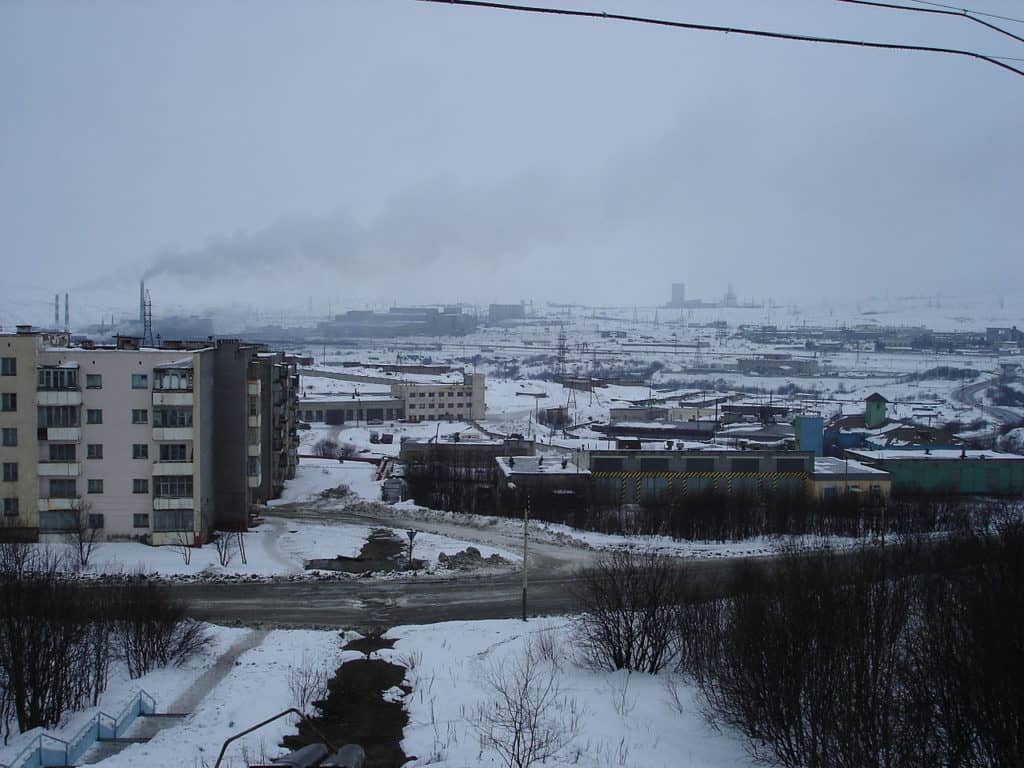
With the Soviet Union’s fall, the closing of the Kola Superdeep Borehole coincided. By 1995 they had permanently shut down the project. It is even currently considered a risk to the environment. However, remains from the operation may be seen in a neighboring town named Zapolyarny. It is around six kilometers away. Isn’t that remarkable that nobody beat the record? This makes the borehole the deepest human location in the world!
Closure And Collapse
The Race To The Center
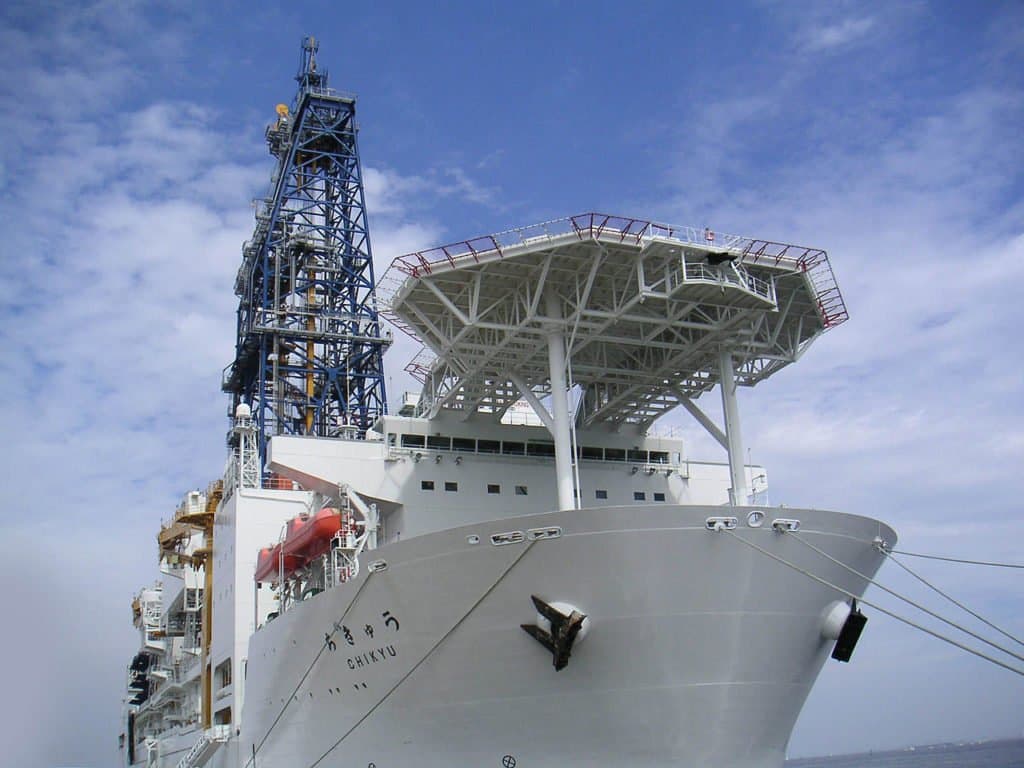
As you are aware, the race to reach Earth’s center is not done yet. The International Ocean Discovery Program has platforms that still explore what is beneath the seabed in the seas. They handle severe temperatures and fail to see what secrets they have.
The Race To The Center
Below The Water
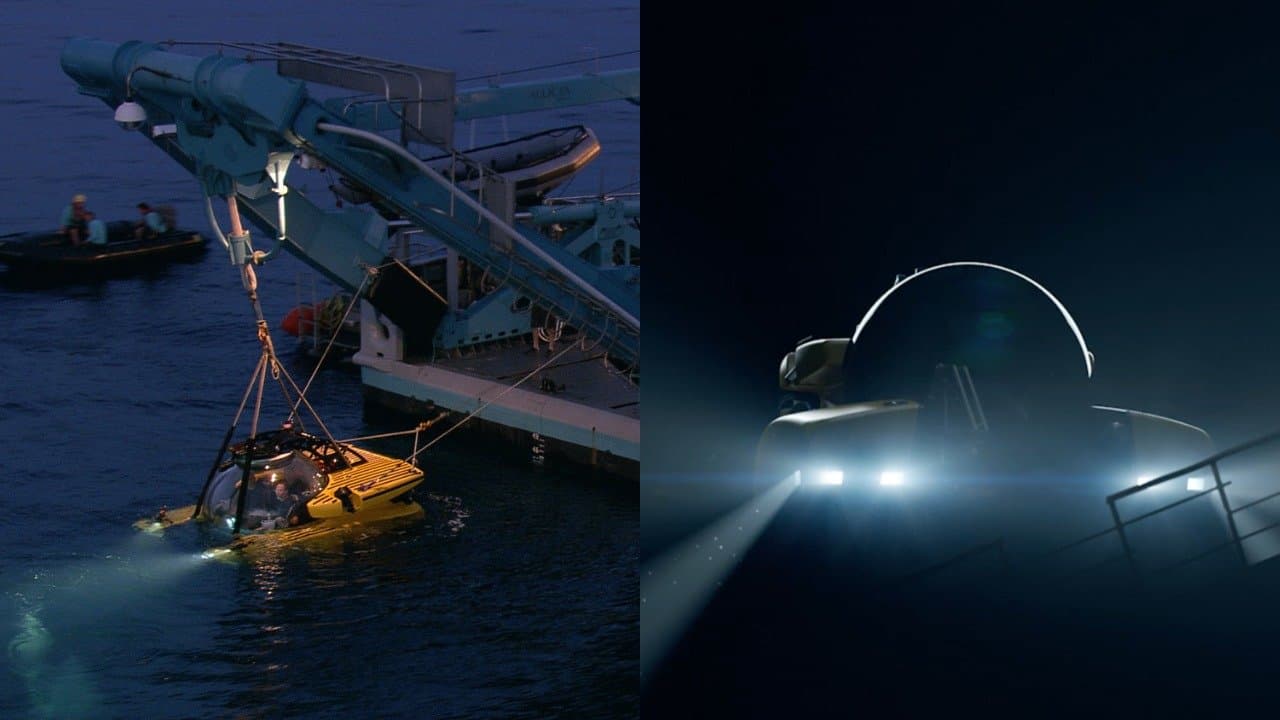
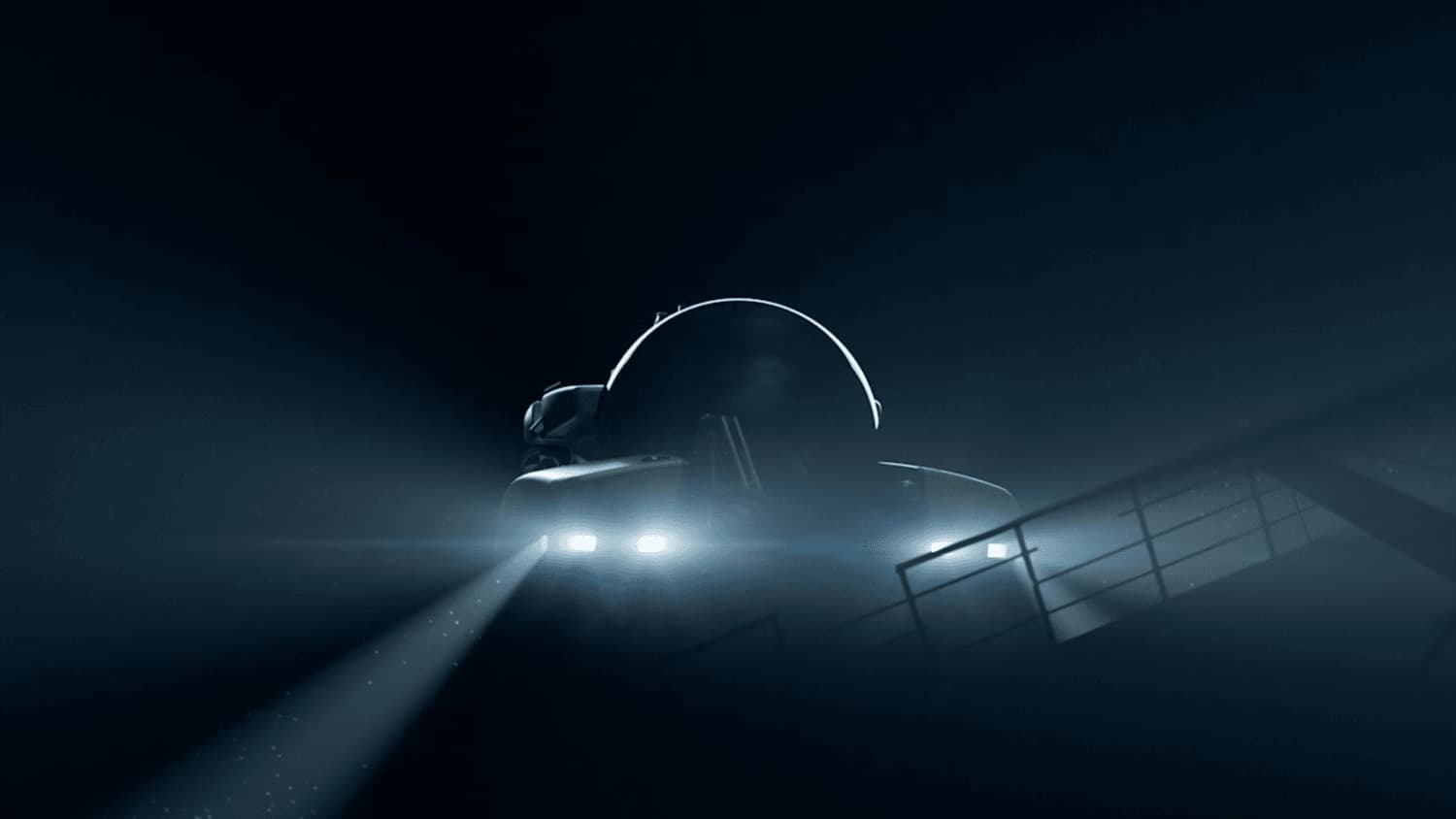
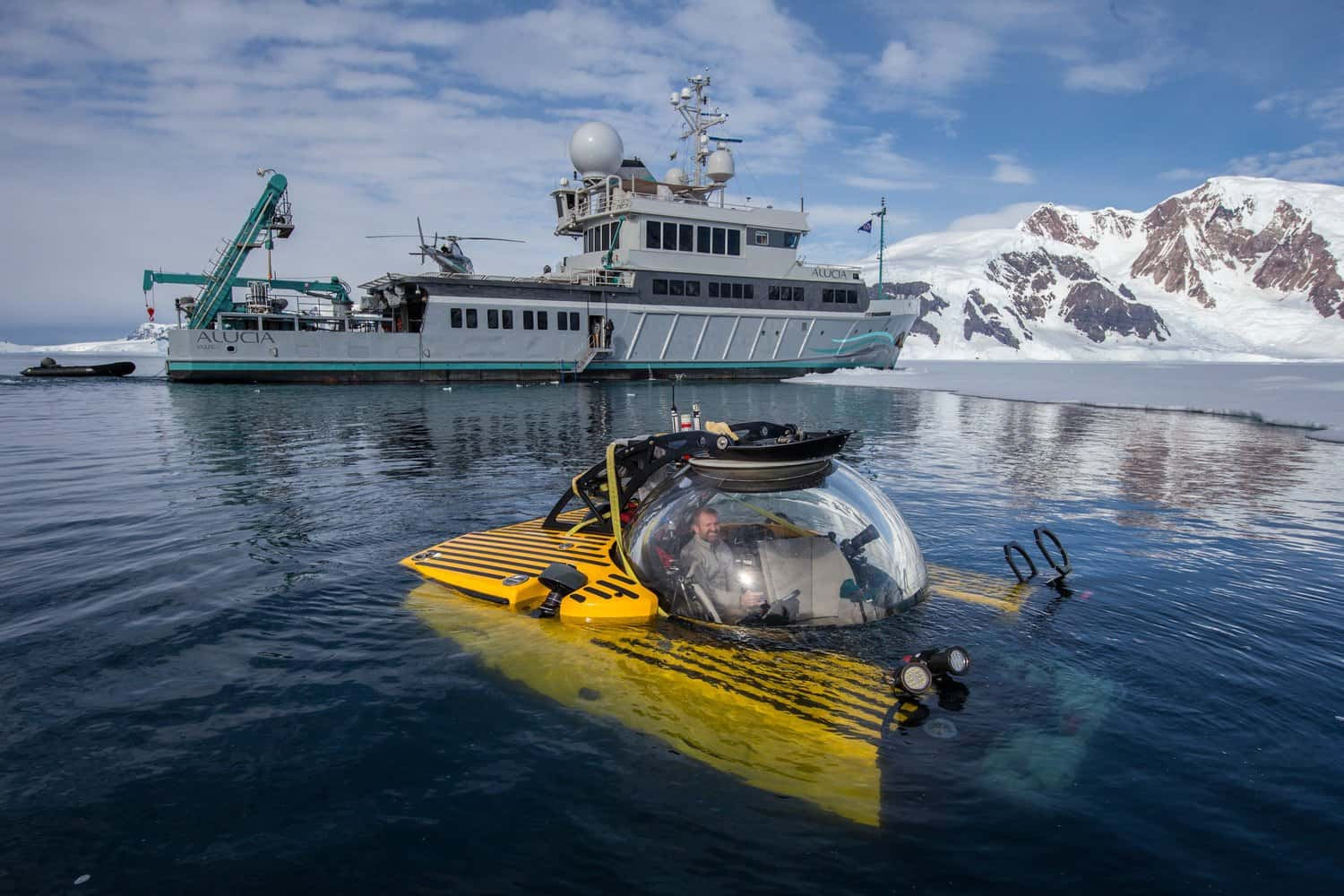
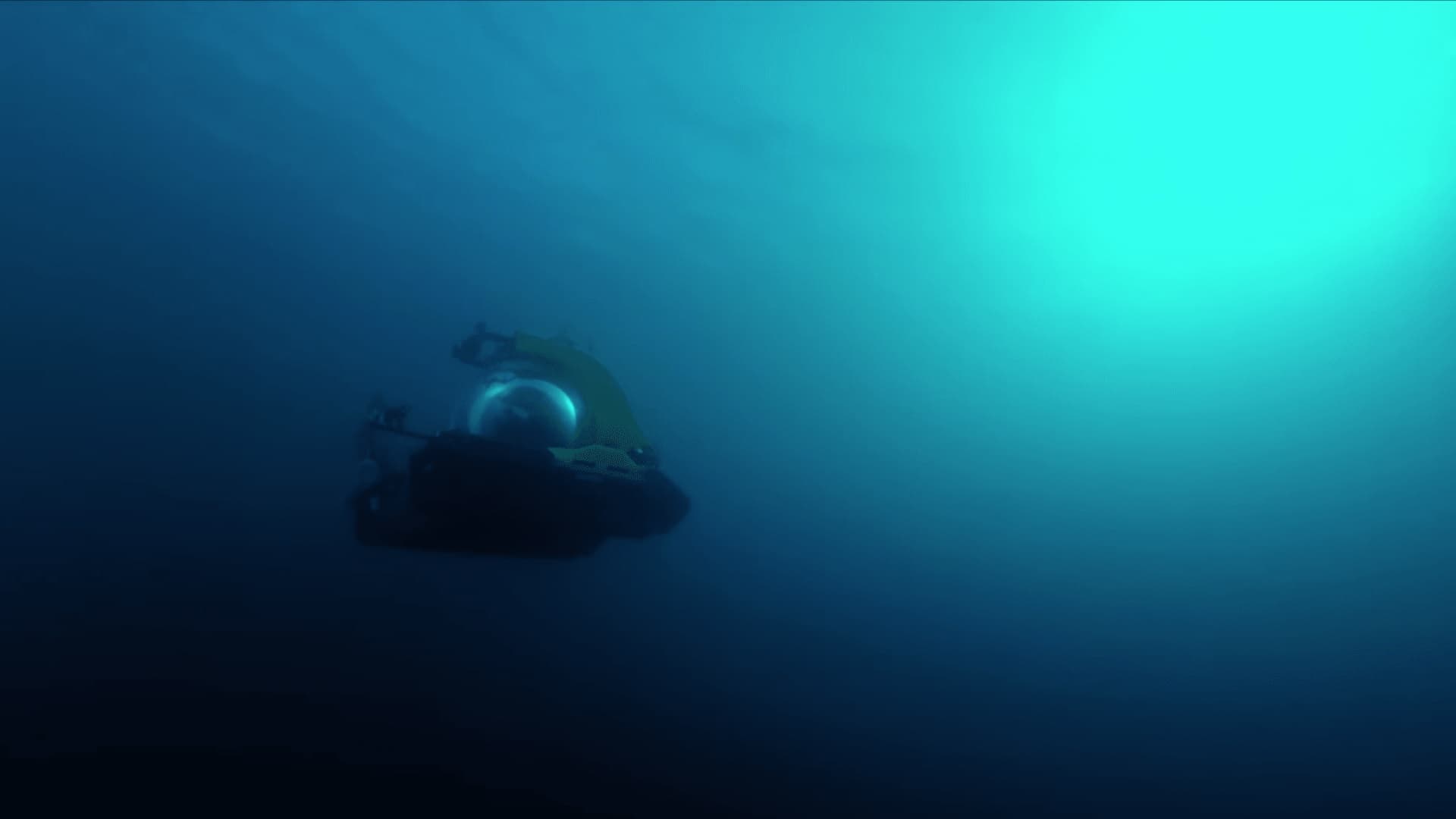
They also go underneath the sea, though, to accomplish something besides the mantle. One item, a two-man immersion, plunged literally into the unknown when on an exploration expedition in the Antarctic. The team members wanted to dive deeper than anybody else beneath the water near the South Pole. Down there, what have they found? Well, let’s just say they had a peek of a universe no one has ever seen before.
Below The Water
Years Of Careful Planning
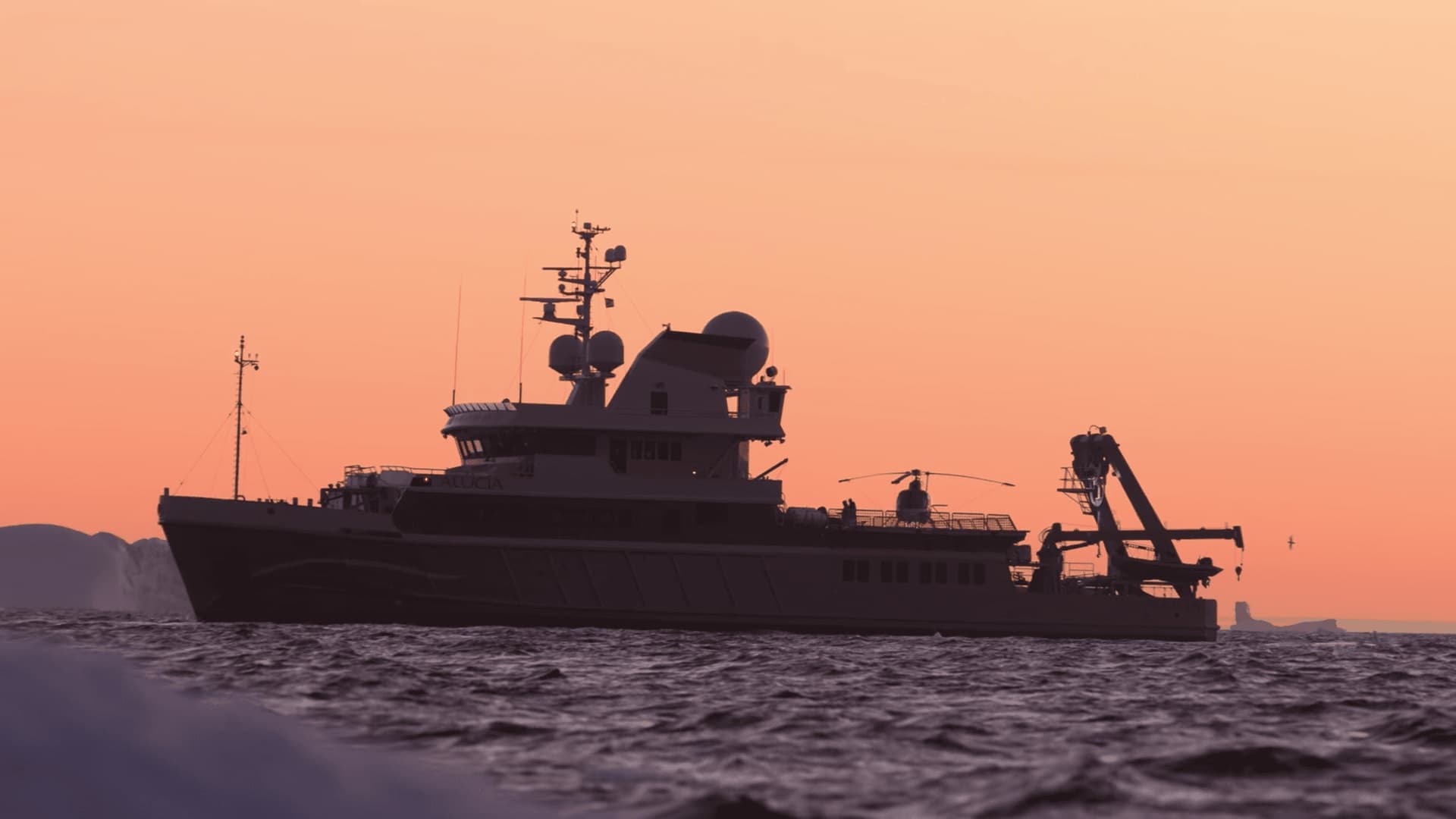
Mind you, this hasn’t been a typical task of the moment. Indeed, two years have gone by to find the appropriate time and place to dive. The wait is an excellent cause. The reality is, we know more about the sky than we do about our own planet’s sea floor.
Years Of Careful Planning
We Know Little About It
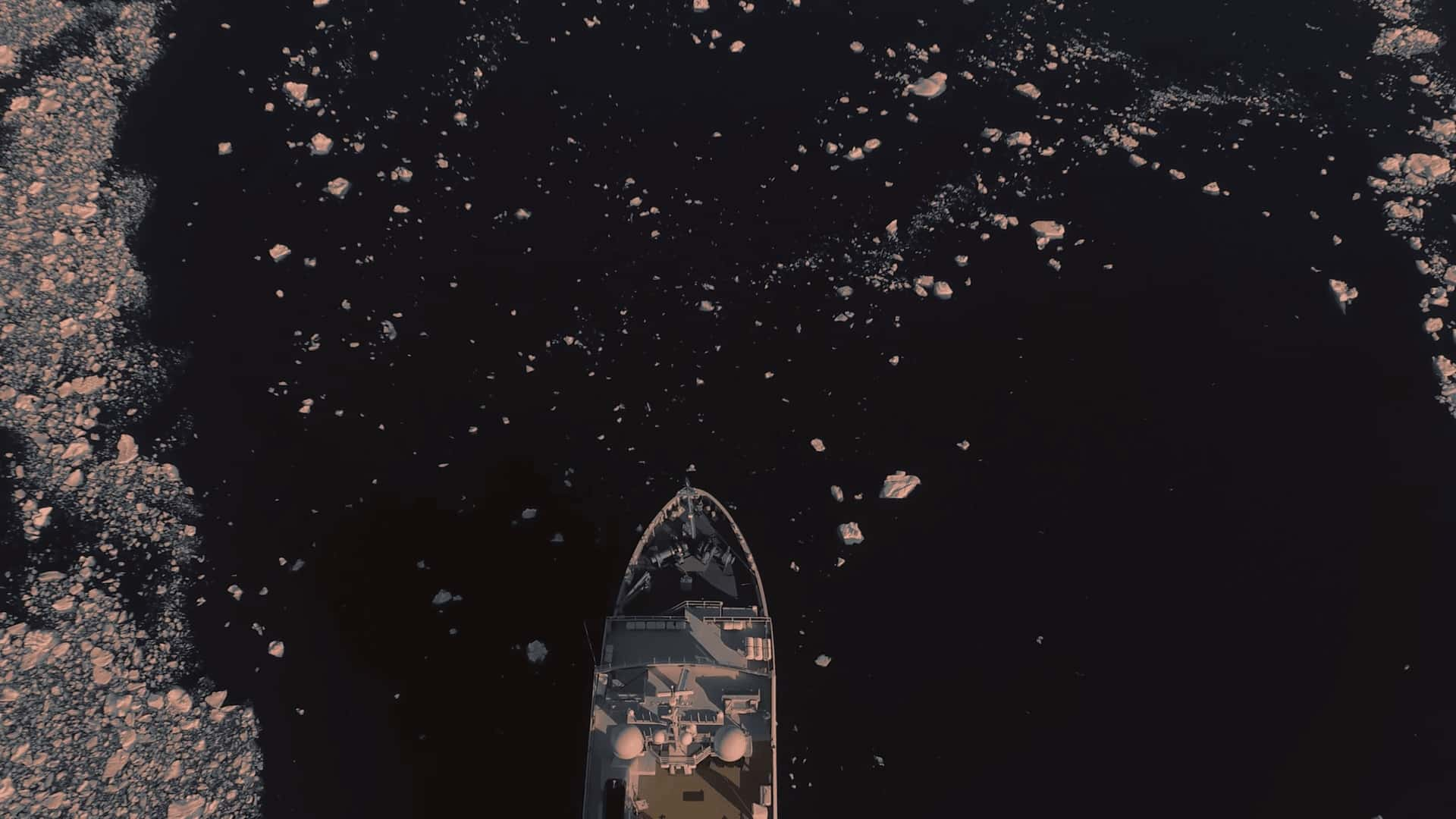
We learned more about the Mars surface than about the surrounding bottoms of the water. Let us take everything into account. The distance from our Earth is 140 million miles from our neighboring planet. On the other hand, the ocean’s average depth is a little over 12,000 feet or two miles!
We Know Little About It
Not Easy At All
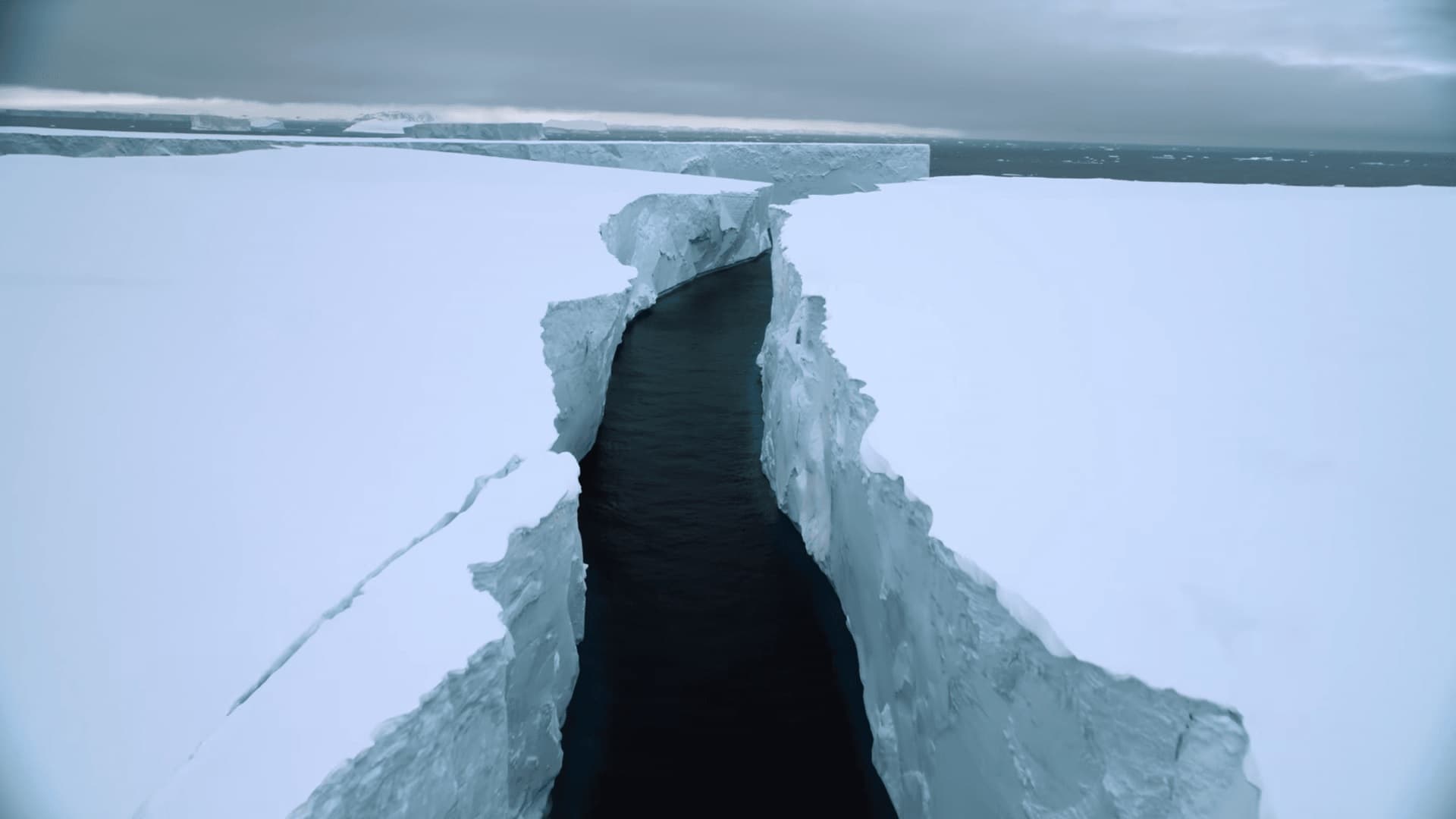
You’re mistaken when you believed it was easy to dive under the Antarctic. First of all, scientists had to find out where to go down. Finally, they decided to travel to a site named “Iceberg Alley.” There was no clear explanation why the place was not named.
Not Easy At All
In The Antarctic
The alley constitutes a canal in the Antarctic Peninsula at one of the northern points. There are shifting ice pieces around the section of the water. There are bits as large as a car, yet others are half a square mile in size. It was an enormous task to just get the boat there.
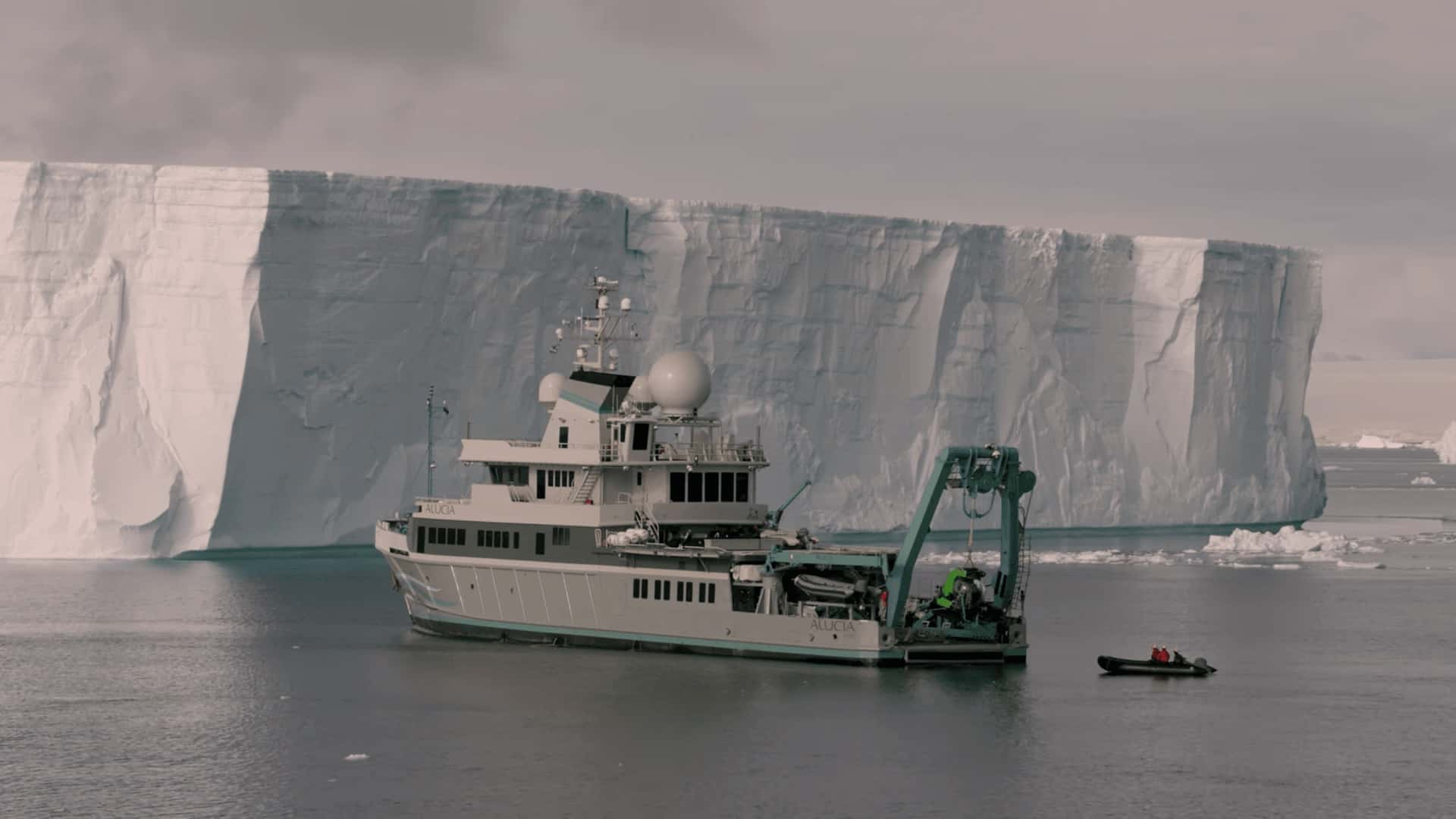
In The Antarctic
Diving Into The Unknown
The team was searching for the unknown. In a documentary, you may learn more about it! The managing producer, James Honeyborne, claimed that on the route, they had encountered reverses. It wasn’t just getting the position that made things hard for them, but he also told the BBC that reaching Iceberg Alley was a massive game for Space Invaders. Other things stood in their way as well.
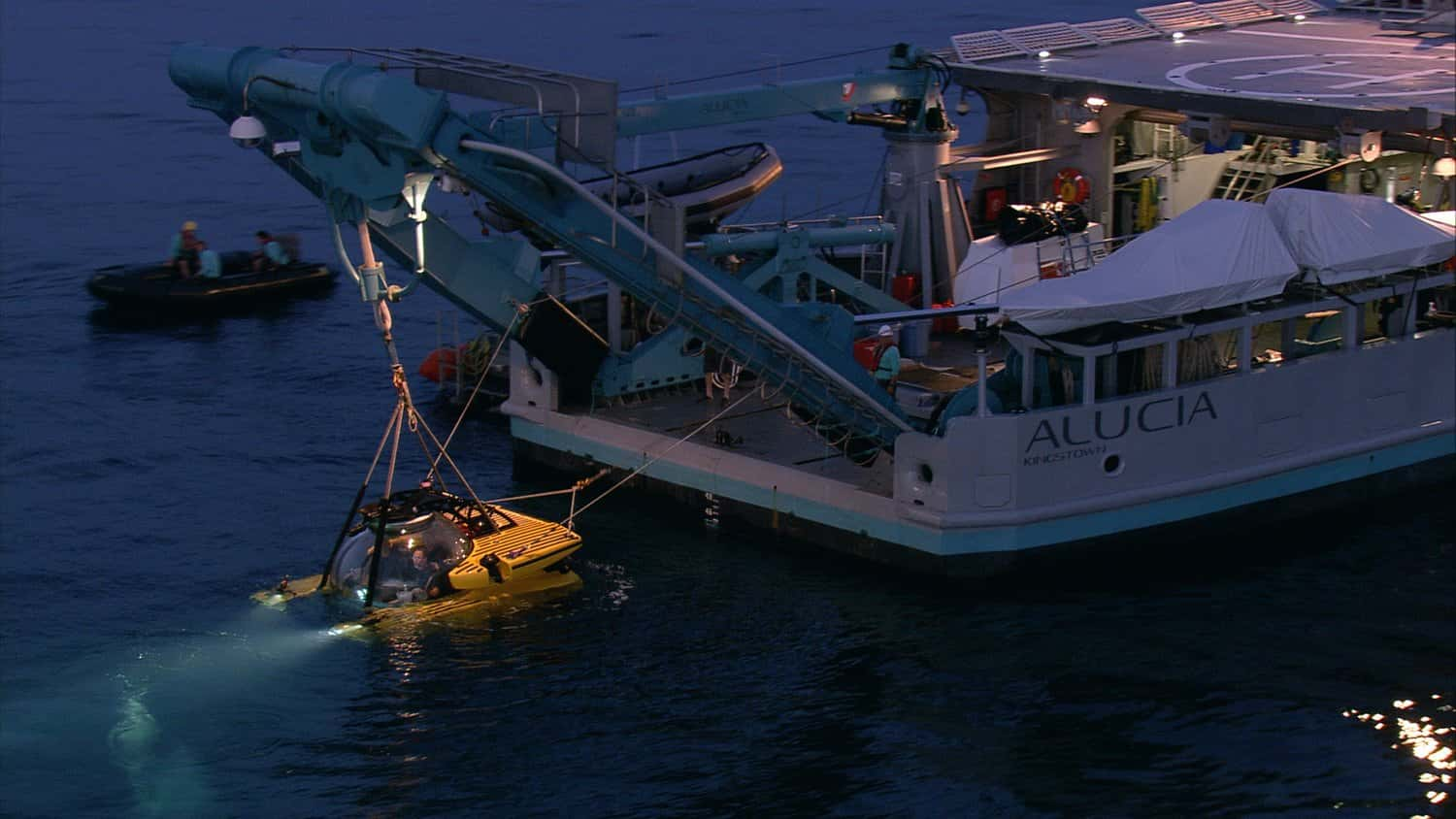
Diving Into The Unknown
So Many Unknowns
For one thing, the crew didn’t know how their submarines would work. After all, the depth would make it quite stressful. However, when they began to descend, these fears disappeared. They uncovered an unbelievable habitat of wonderful animals under the waves. The crew also identified one named after a significant section of the Stars Wars story!
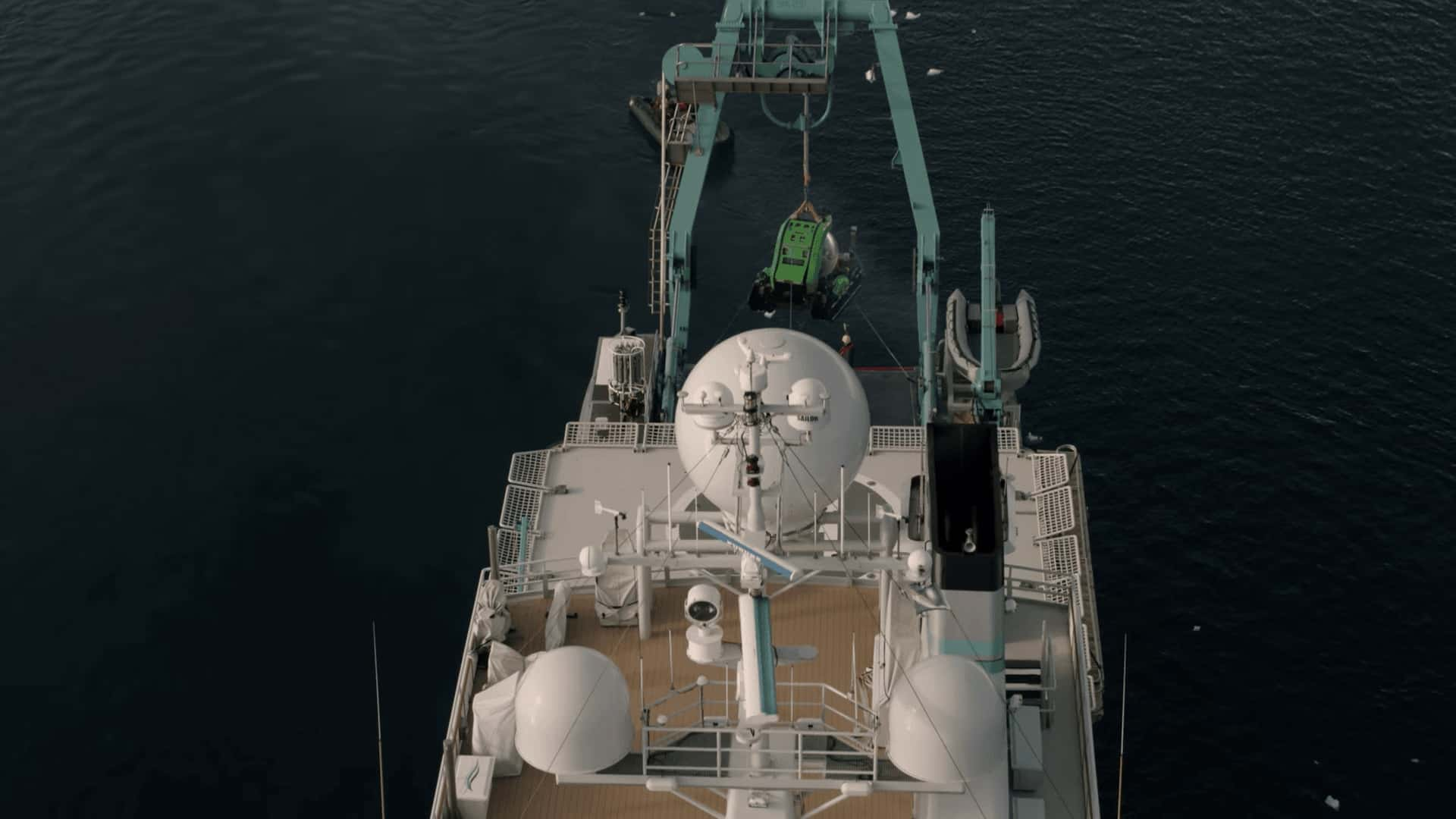
So Many Unknowns
More Life There
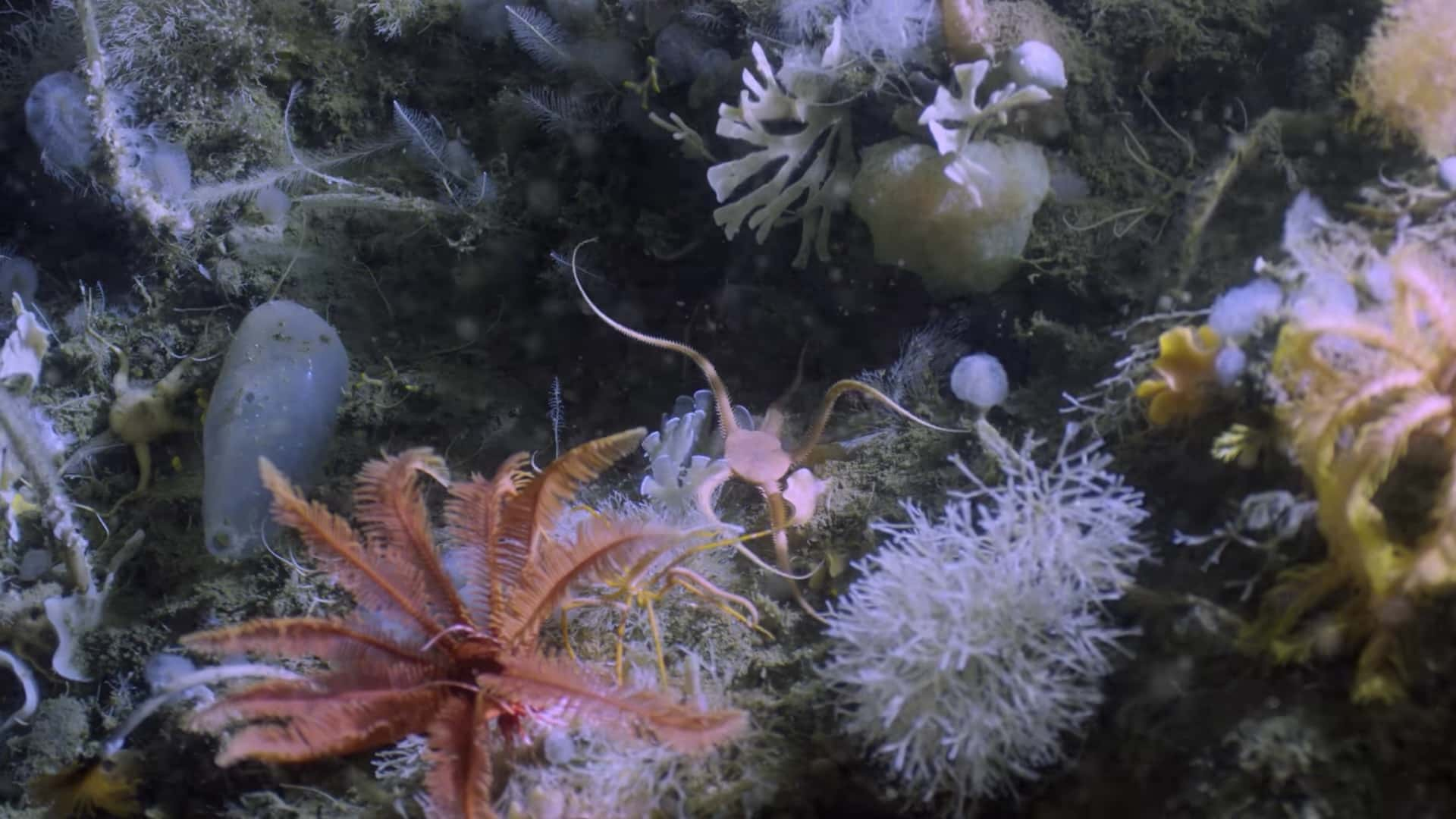
Although life above the seas is challenging, there are plenty of weird and otherworldly aquatic animals behind all of this. Mark Taylor revealed with LADbible, “In a square yard there is more life deeper in the Antarctic than in the Australian barrier reef. He was a part of that diving team. There are numerous good reasons for this.
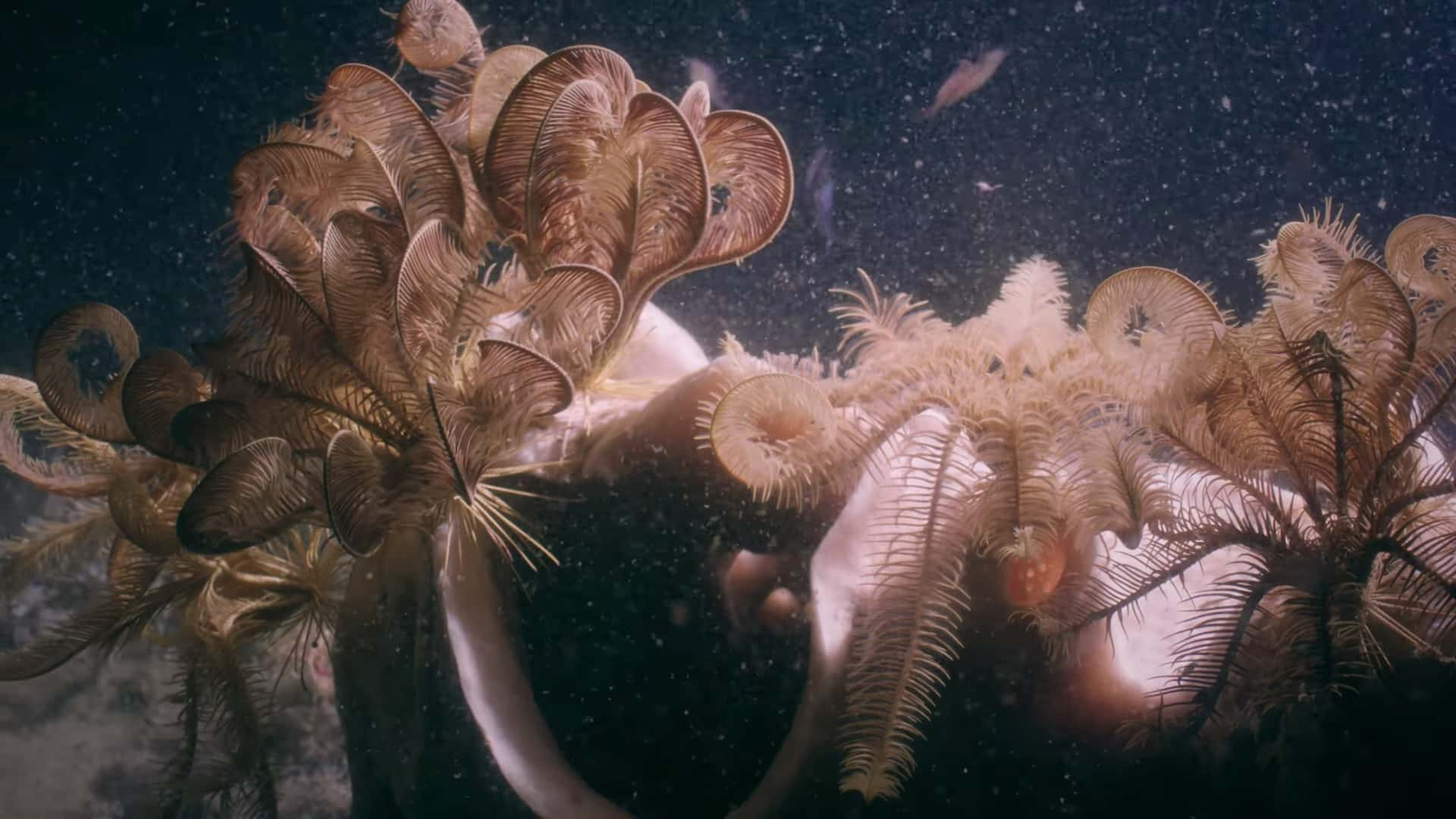
More Life There
Thick Marine Snow
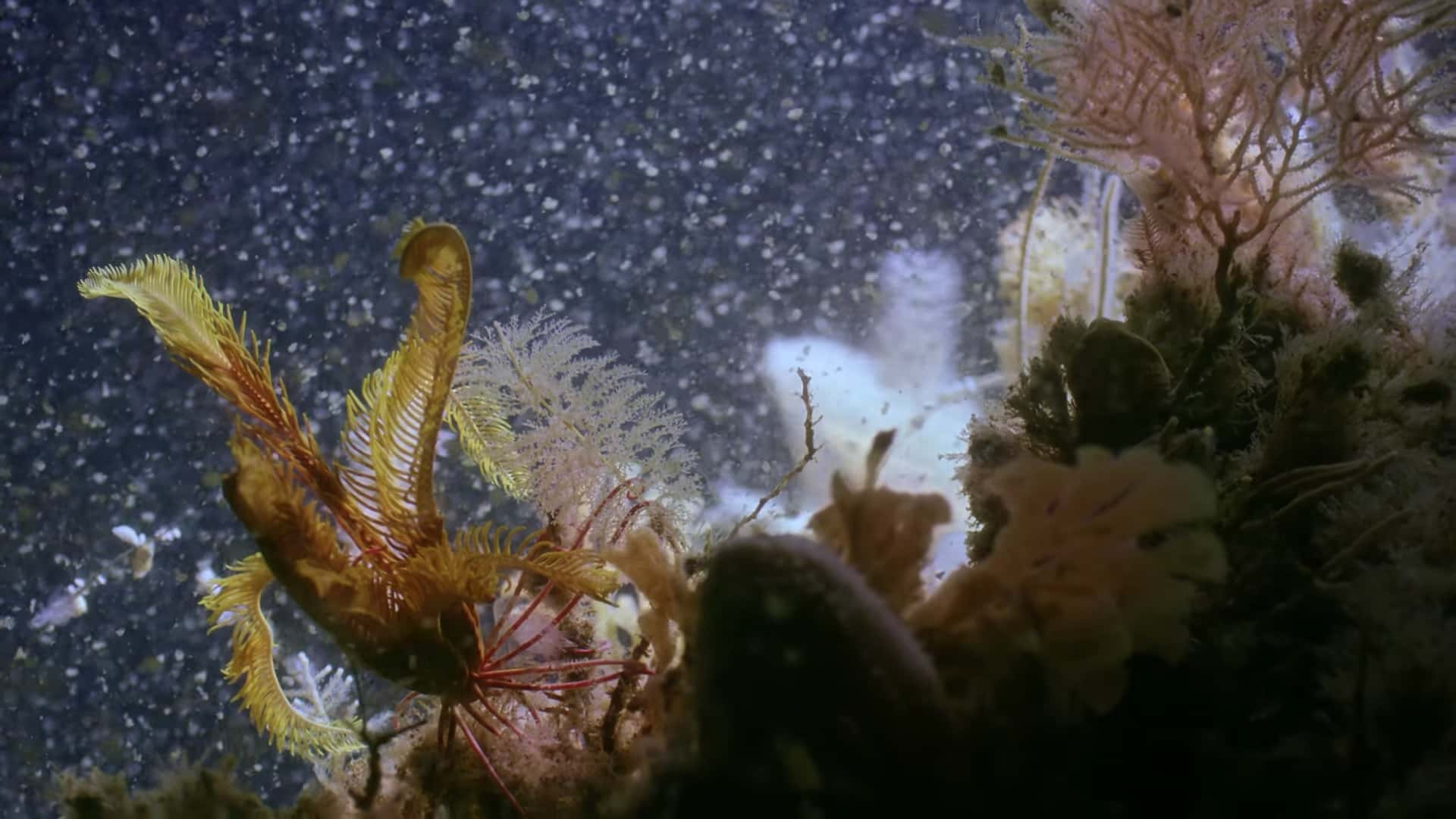
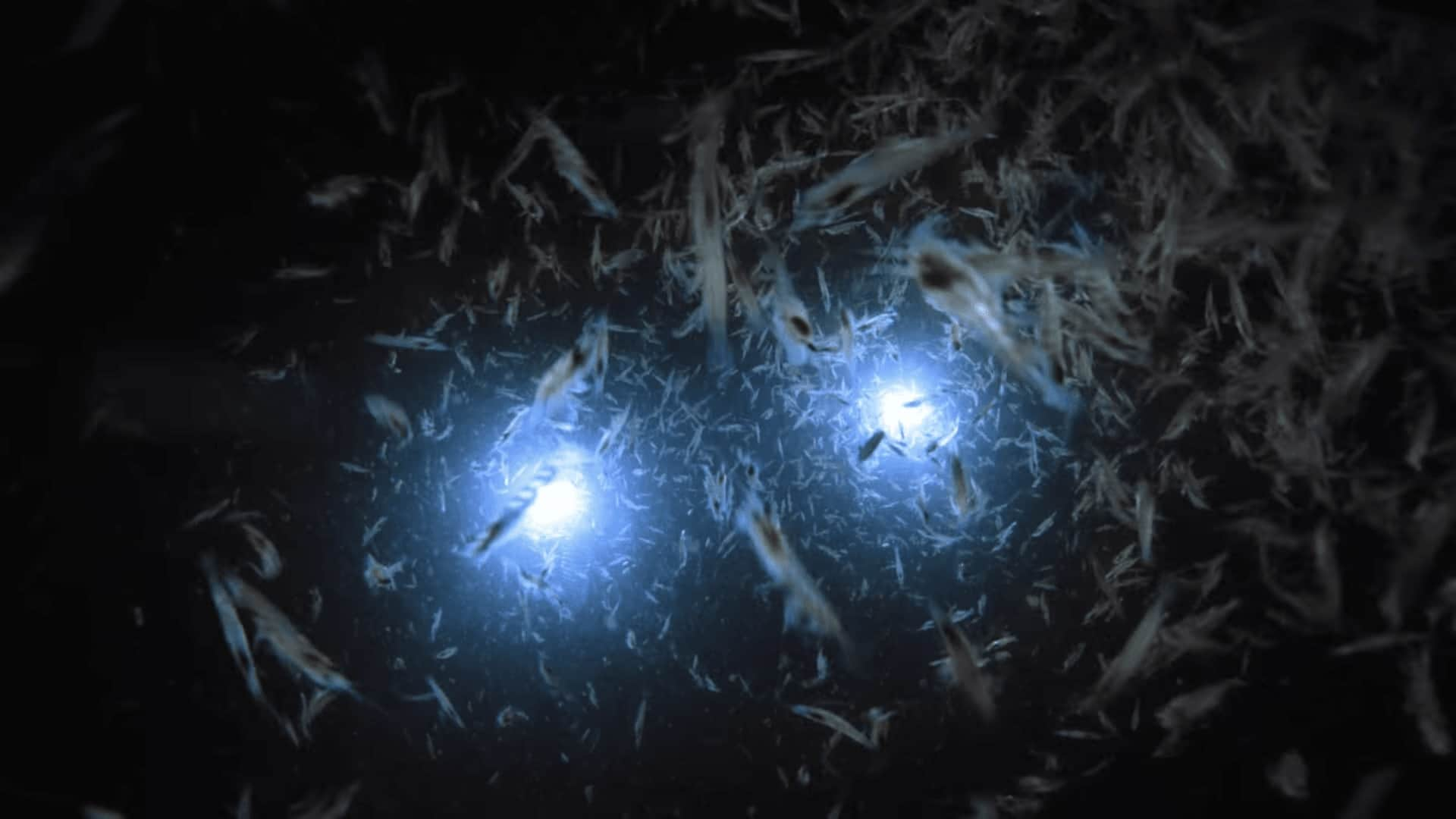
One of the statements of Dr. Jon Copley from Southampton University was: “The marine snow they found under the waves of the Antarctic was thicker than anyplace else on the sea.” What is marine snow, precisely, however? Where is the seabed important?
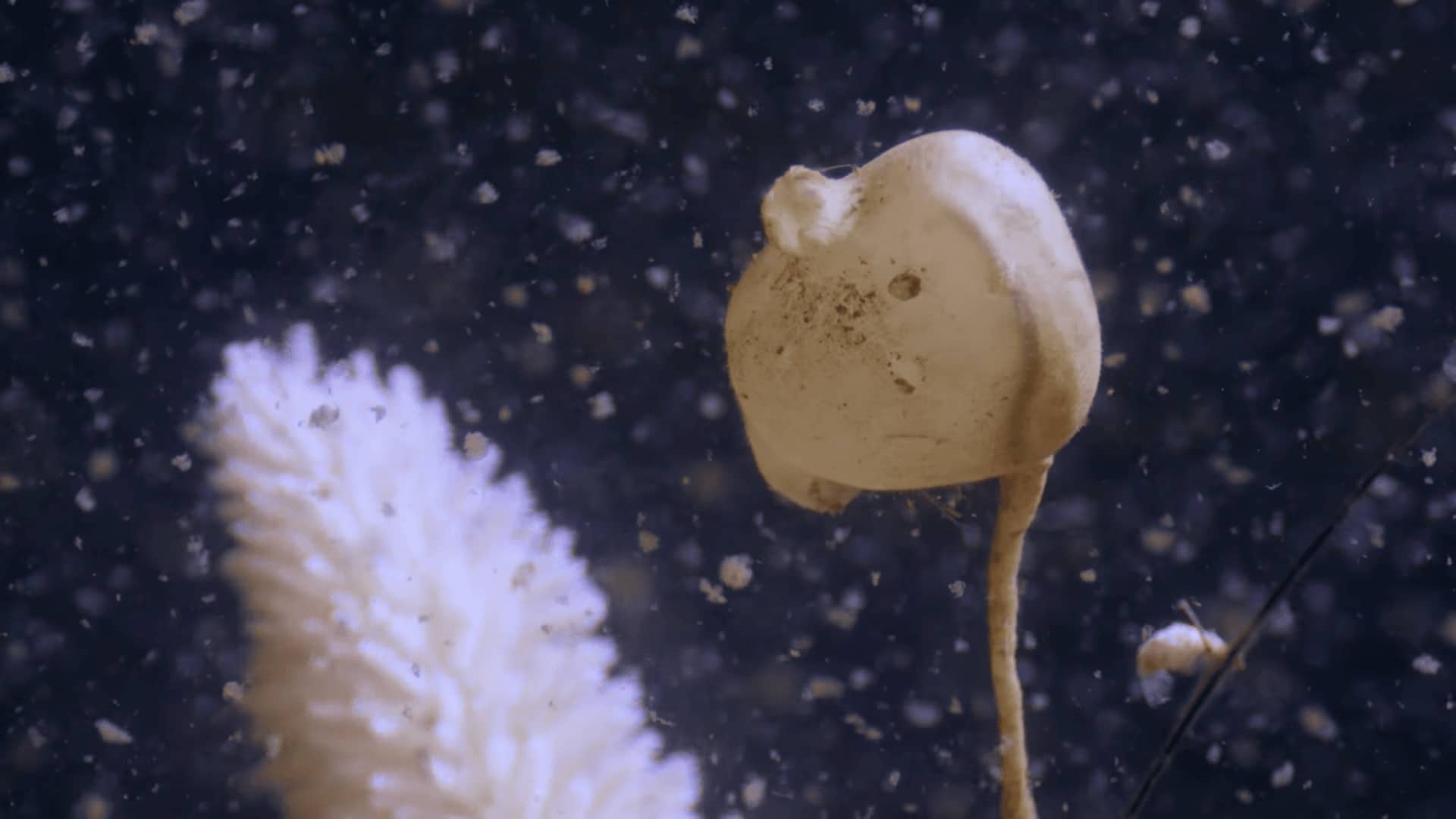
Thick Marine Snow
Important Food Source
Have you heard about marine snow for the first time? It is organic, flowing from the top of the ocean down to the floor. For the animals living in the deep, it is a highly significant food supply. After all, energy and nutrients are transferred by sunshine from the seaside.
Important Food Source
Krill Poo Too
But in the Antarctic Ocean, there is another primary food source. We are talking about the feces of krill! Krill are tiny crustaceans that exist and play an enormous role across the oceans. In particular, their feces makes the seabed perfect to sustain life in this depth. It happens that some of the weirdest species you ever see are animals prospering in the region.
Krill Poo Too
The Antarctic Sunstar
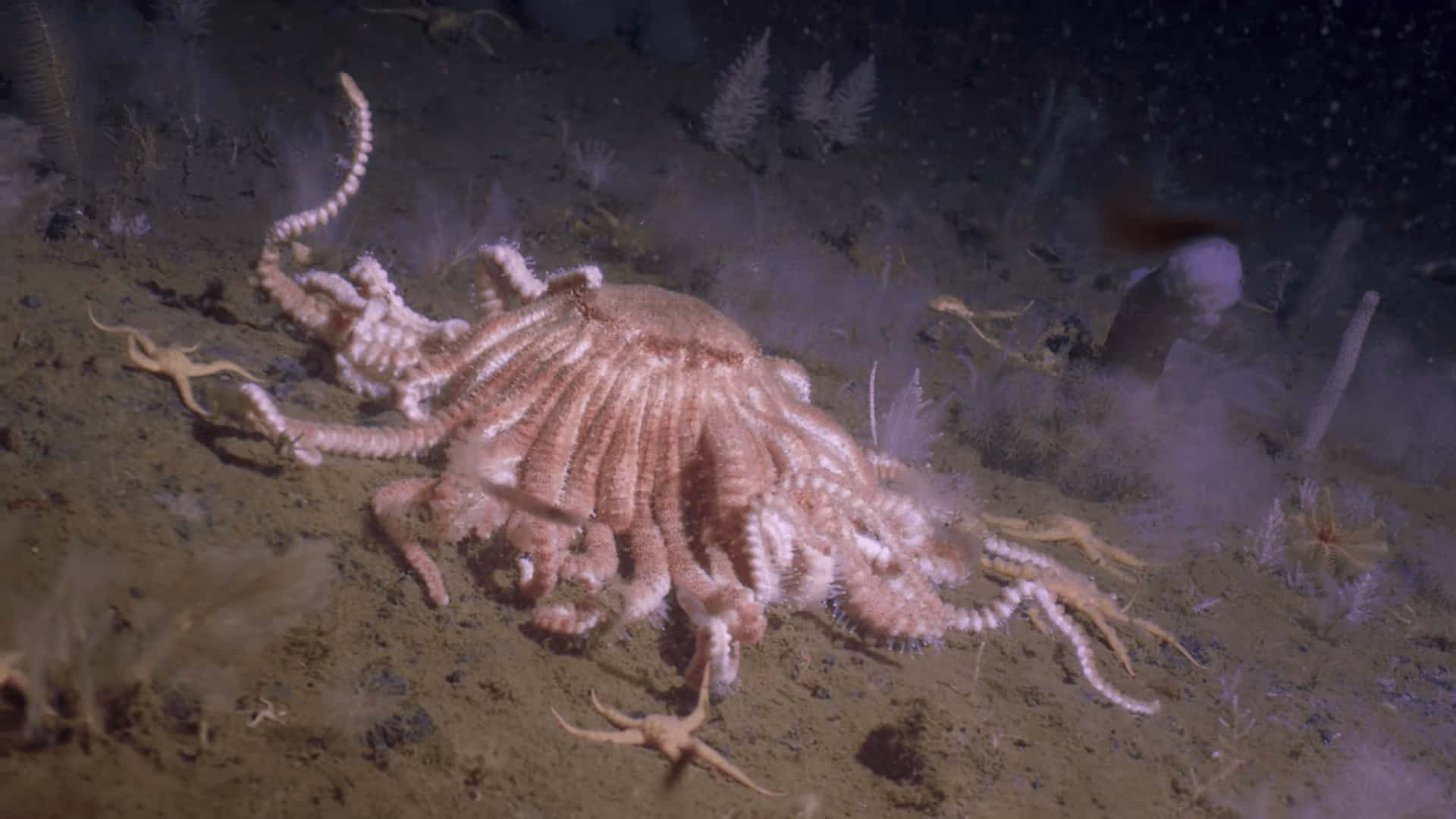
One of the strange creatures the crew encountered was the Antarctic Sunstar. But the scientists gave it a rather bad name. They named it a death star and why they opted to do so. The animal is formally referred to as the Labidiaster annulatus. She is a cousin of the starfish. However, she is a more aliener being than its ordinary kin.
The Antarctic Sunstar
Also Known As The Death Star
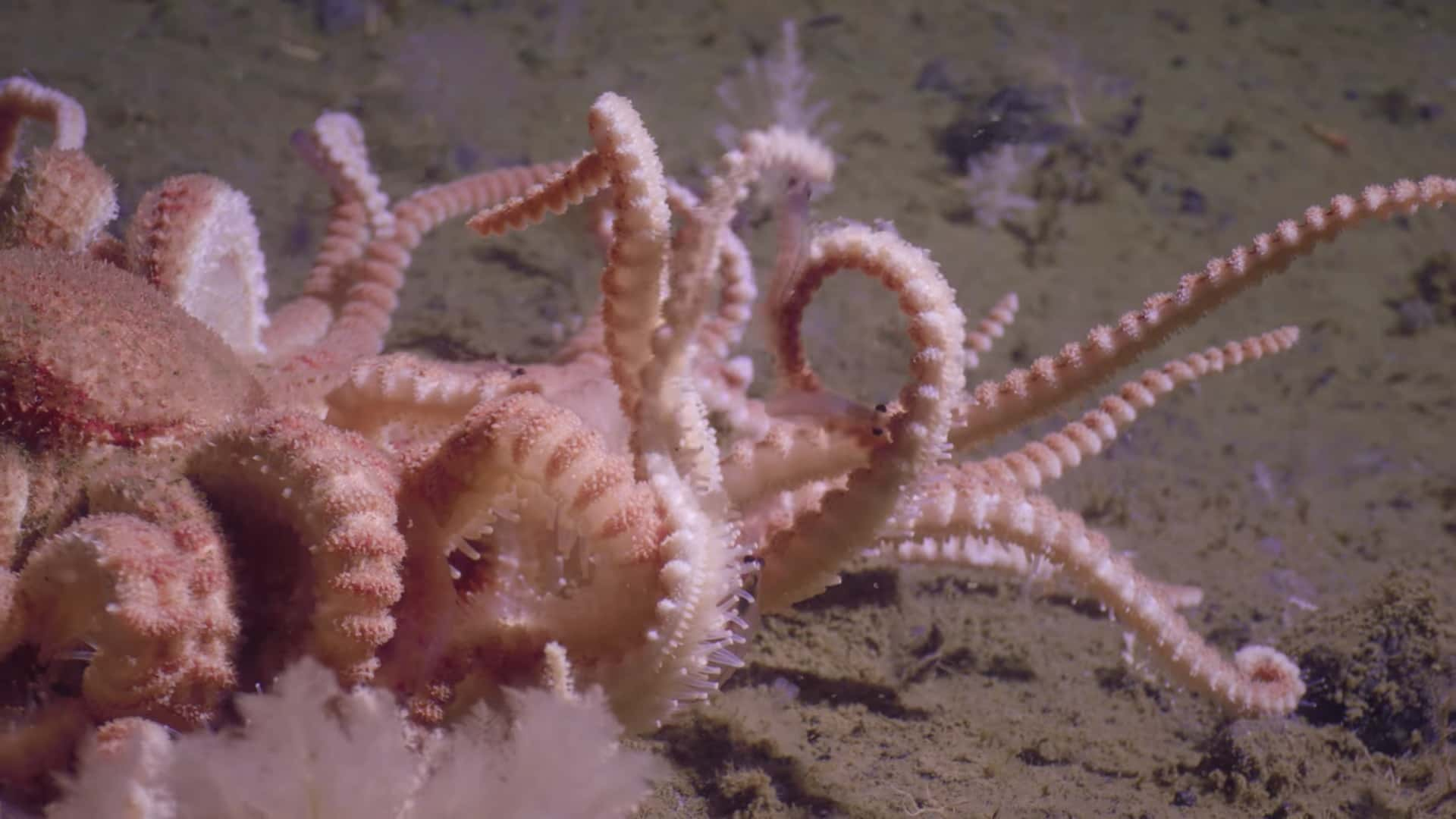
The Death Star can have up to 50 arms for the first time! It can grow more prominent than a jacket. The skin on the arms is covered with little pinches, which close when something comes into touch. The poor victim is a krill that passes by most of the time. This is also not the only strange thing about the Sunstar!
Also Known As The Death Star
How It Is Done
Fish are the main predators of the world’s other seas, but the Death Star is here to show us how Antarctica does things. The water is quite cold in the location. Thus fish typically don’t survive in the area. Therefore the Antarctic Sunstar invertebrates are at the top of the food chain.
How It Is Done
Diving Down There
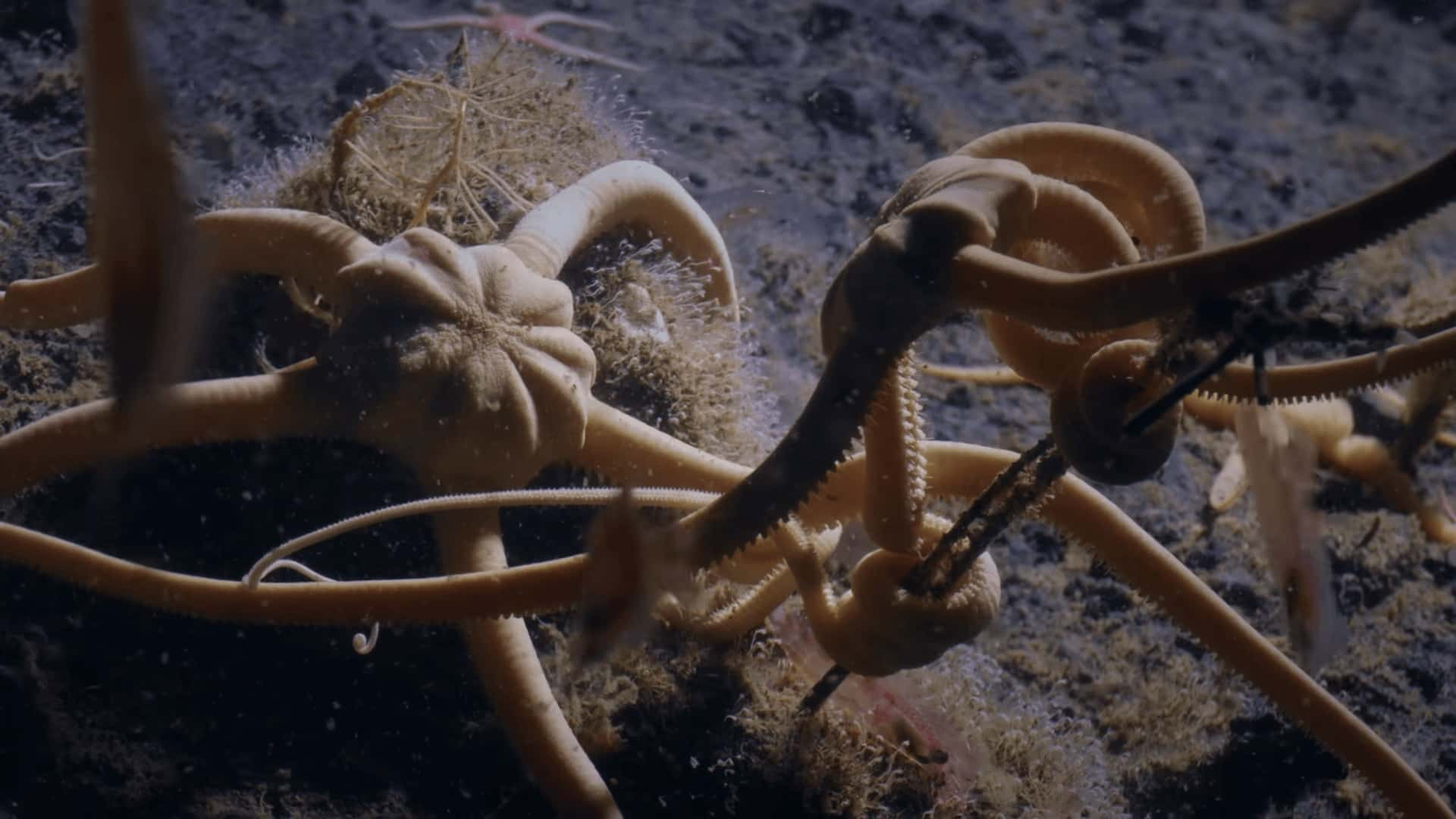
It seems like you are watching a window into what the sea was like before humanity wandered over the world when we dive in the Antarctic waters. “The backbone-less creatures predominate and prevail, “And that’s how the oceans were more than 250 million years ago.” Dr. Copley added.
Diving Down There
The Ice Dragonfish
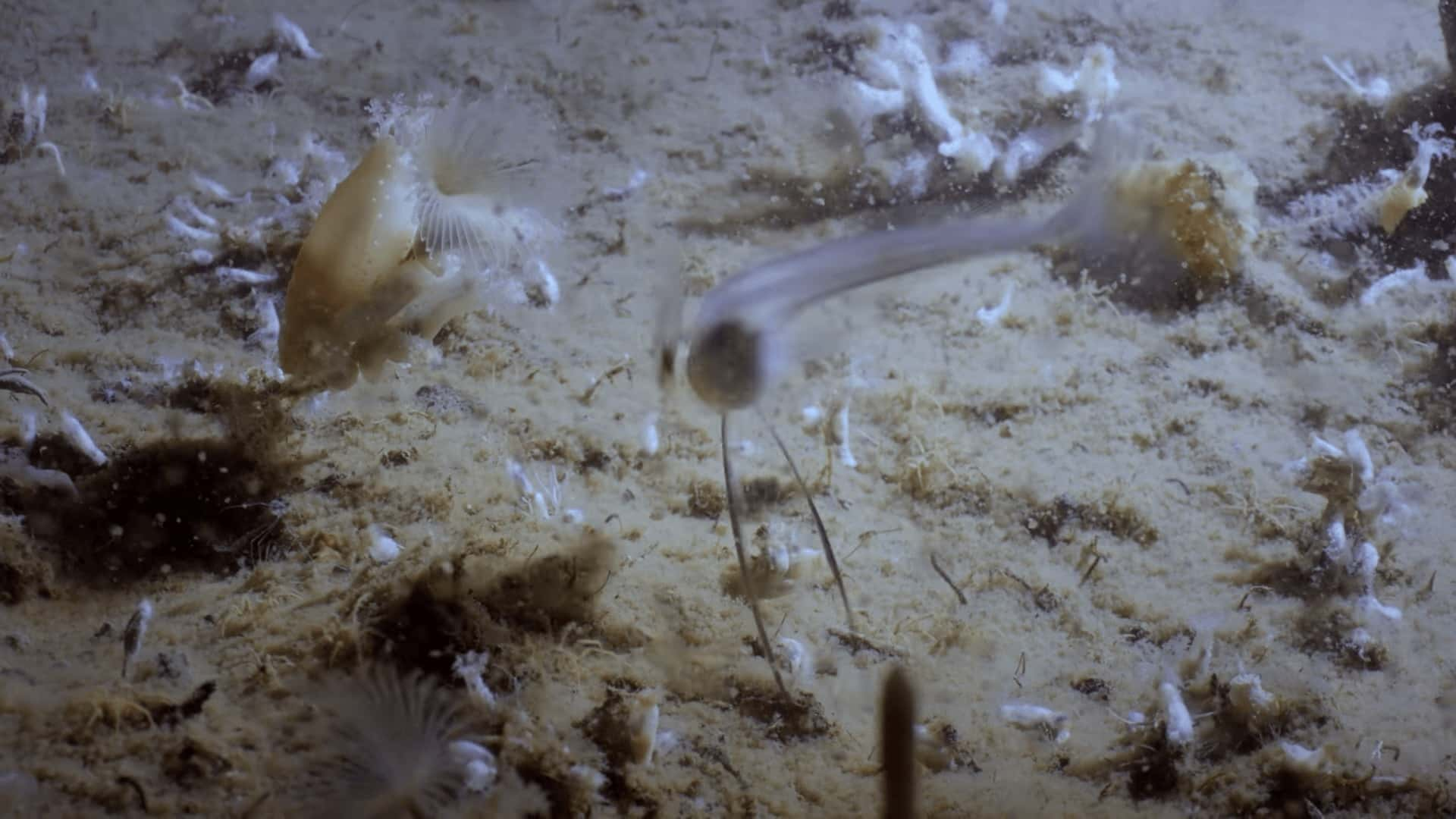
In the Antarctic Ocean, there is another unusual critter. The ice dragonfish is also known as Cryodraco Antarcticus, which has adapted to the harsh weather conditions in an excellent manner. Its blood possesses anti-freezing proteins that protect its body from freezing. The animal also has clean blood because the body doesn’t require hemoglobin to circulate oxygen, just like human beings.
The Ice Dragonfish
A Deeper Understanding
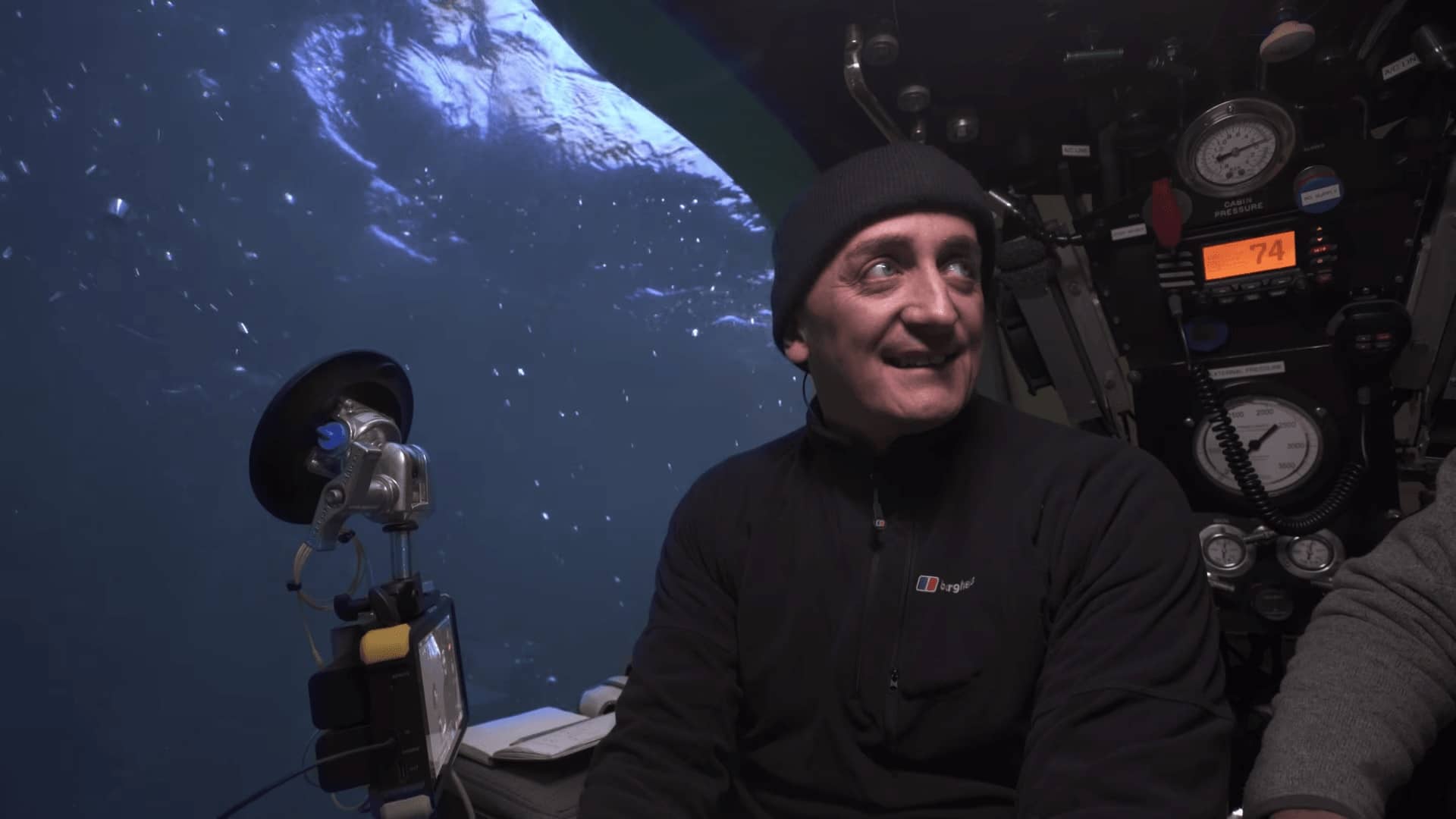
Not only did Dr. Copley and the other team members undertake this expedition to take all the unusual creatures in the region. Nevertheless, more excellent knowledge of marine life in water is essential. This allows conservation efforts to be more successfully implemented at the South Pole.
A Deeper Understanding
How Our Lives Are Connected
“On these dives, we watched the everyday lives of Antarctic deep-sea animals, helping us to understand them much better than studying specimens collected by nets or trawls from ships,” Dr. Copley shares with the BBC. “And [it’s] helping us to investigate how our own lives are connected to this remote yet fragile environment.” he continued.
How Our Lives Are Connected
Still A Mystery
The fact is that there is always a mystery of the most accessible locations in the ocean. Dr. Copley still hopes the trip will assist to some extent in changing this. Speaking of this, he said, “Sending people a kilometer deep into the ocean around Antarctica for the first time shows that there is no longer any part of our blue planet that is inaccessible to us if we can find the will to go there.”
Still A Mystery
Something Even More Profound
Science tells us that our reality is more and more deeply understood. But something deeper has also been achieved. There is something unique to reach such an unreachable area. “What we’re doing now is an exploration in its purest sense,” stated Dr. Copley. “If we all share in the exploration of our planet, then… we’ll all feel involved in its stewardship for the future.” It really does feel that the wonders of the cosmos are never gone.
Something Even More Profound